Barbie Review (2023) A Bright Pink, Hilarious, and Brutally Honest Look at Patriarchy, Identity, and the Exhausting Performance of Being Human!
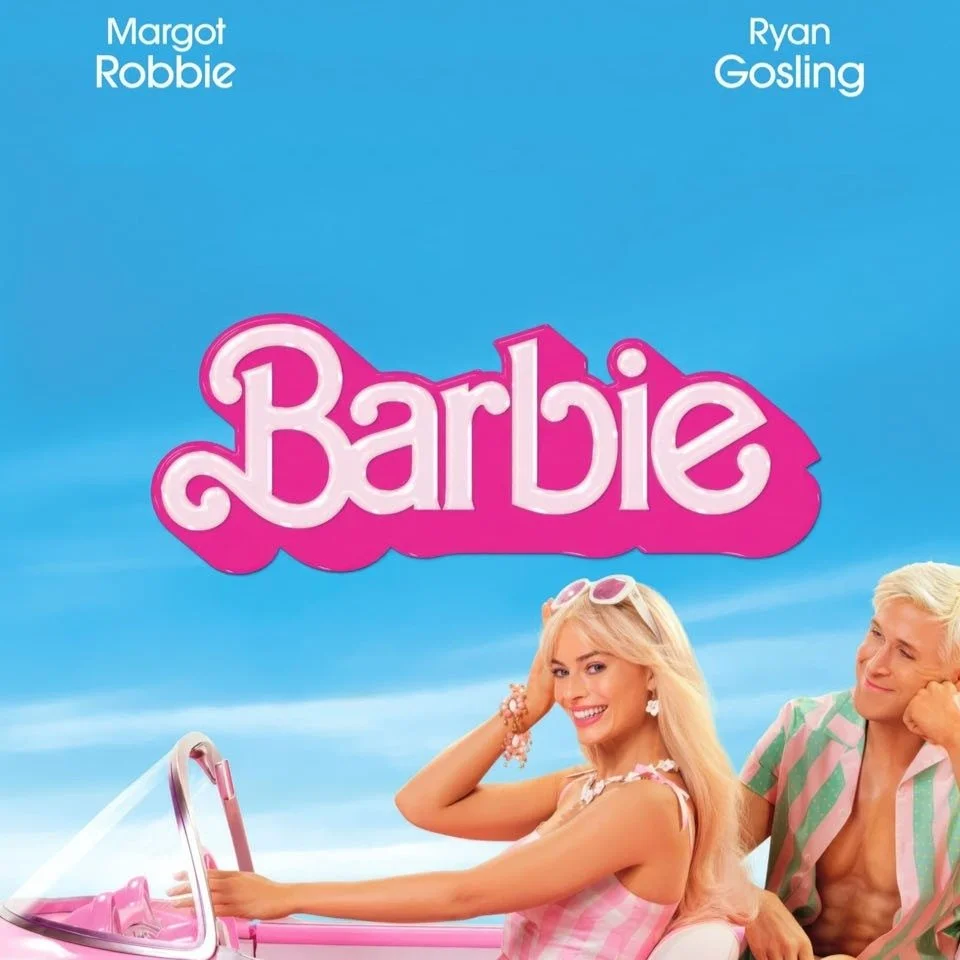
Some films make us laugh. Others make us cry. And then there are films like Barbie, which somehow manage to make us potatoes laugh, cry, question society, question ourselves, and wonder why we suddenly have an existential crisis while staring at a doll wearing rollerblades!
At first glance, Barbie may seem like a light summer pick. It is vibrant. It is glossy. It is funny. It has dance numbers, dream houses, rollerblades, matching outfits, and a level of visual commitment that we potatoes can only describe as aggressively delightful. But underneath all that sparkle is a film that is far sharper, sadder, stranger, and more honest than many people expected.

Because Barbie is not just a movie about dolls. It is not just a movie about girlhood, nostalgia, feminism, or pink plastic perfection. It is a movie about systems. It is about patriarchy. It is about performance. It is about identity, belonging, power, self-worth, and the painful process of realizing that the role you were handed may not actually be the life you want to live.
And yes, while Barbie is not specifically a Pride film, we potatoes do feel that it belongs in a Pride Month conversation. Pride is about authenticity, liberation, visibility, and the right to exist fully as yourself. Patriarchy stands directly against that. It harms women, men, queer people, trans people, non-binary people, and anyone who does not fit neatly into the rigid roles society tries to enforce. Patriarchy tells us who we are allowed to be before we ever get the chance to find out who we actually are.
So yes. A bright pink existential crisis about dolls? Surprisingly relevant!
Before we begin, a gentle note. Barbie explores sexism, patriarchy, gender roles, body image, depression, anxiety, identity, existential dread, emotional disconnection, and the painful pressure to perform perfection. The film is often hilarious and absurd, but it also touches some tender places. Please take care of yourselves while watching and while reading.
As always, we will do our best to avoid major spoilers, but some elements of the film will absolutely be discussed.
Hi Barbie! Let’s begin!

We open in a barren, desert-like landscape with little girls playing with baby dolls and a voice over from our narrator…
“Since the beginning of time, since the first little girl ever existed, there have been dolls. But the dolls were always and forever baby dolls.”
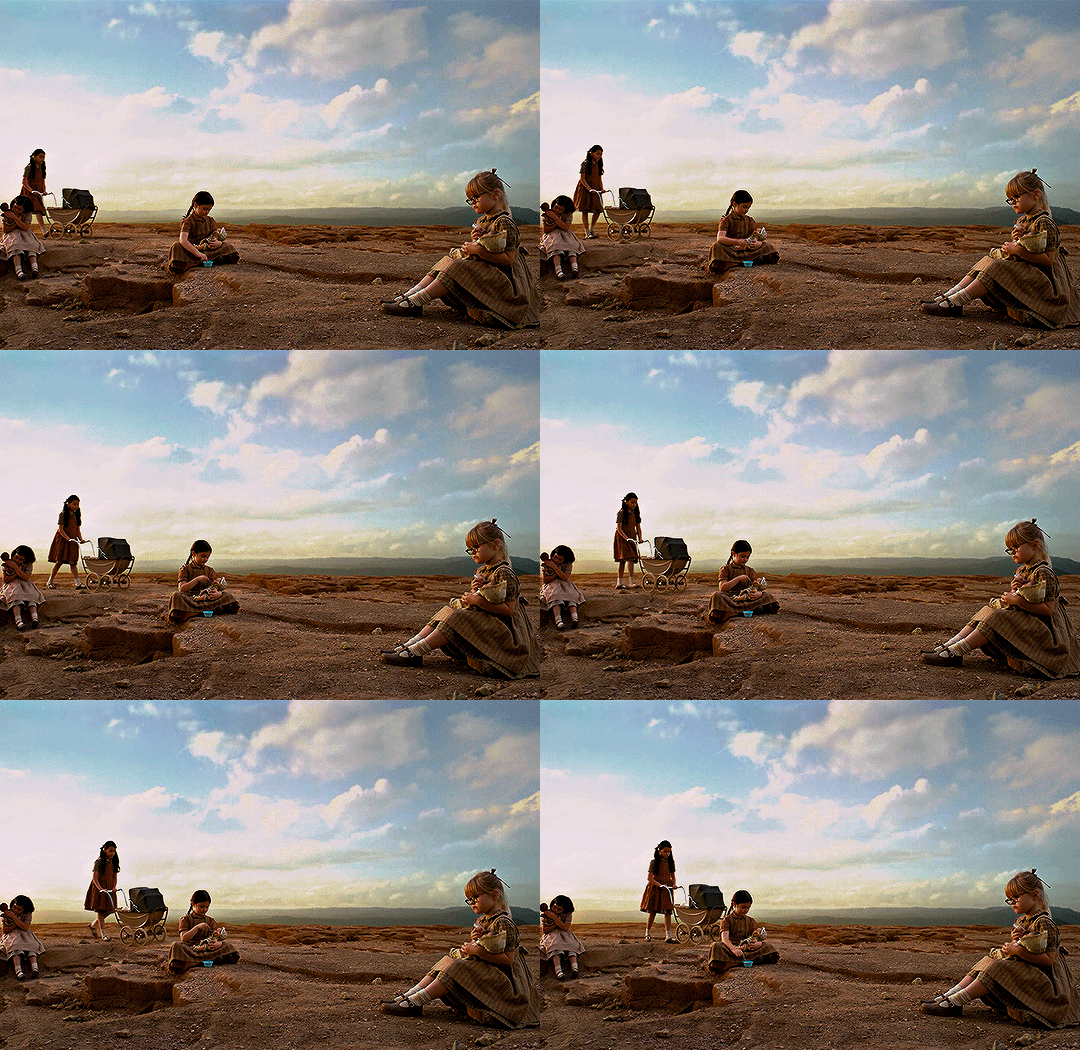
They rock them. Feed them. Pretend to mother them. The indoctrination starts very early, and it is quite uncomfortable to watch. Babies taking care of babies. Cringe.
“The girls who played with them could only ever play at being mothers.”
Their futures, or at least the futures imagined for them, are already being rehearsed in miniature. Gross…
“This continued until…”
Suddenly! Like a sparkly monolith of possibility, Barbie appears! Towering. Glamorous. Impossible. She is not a baby to care for. She is a woman with a life, a body, outfits, careers, and choices!
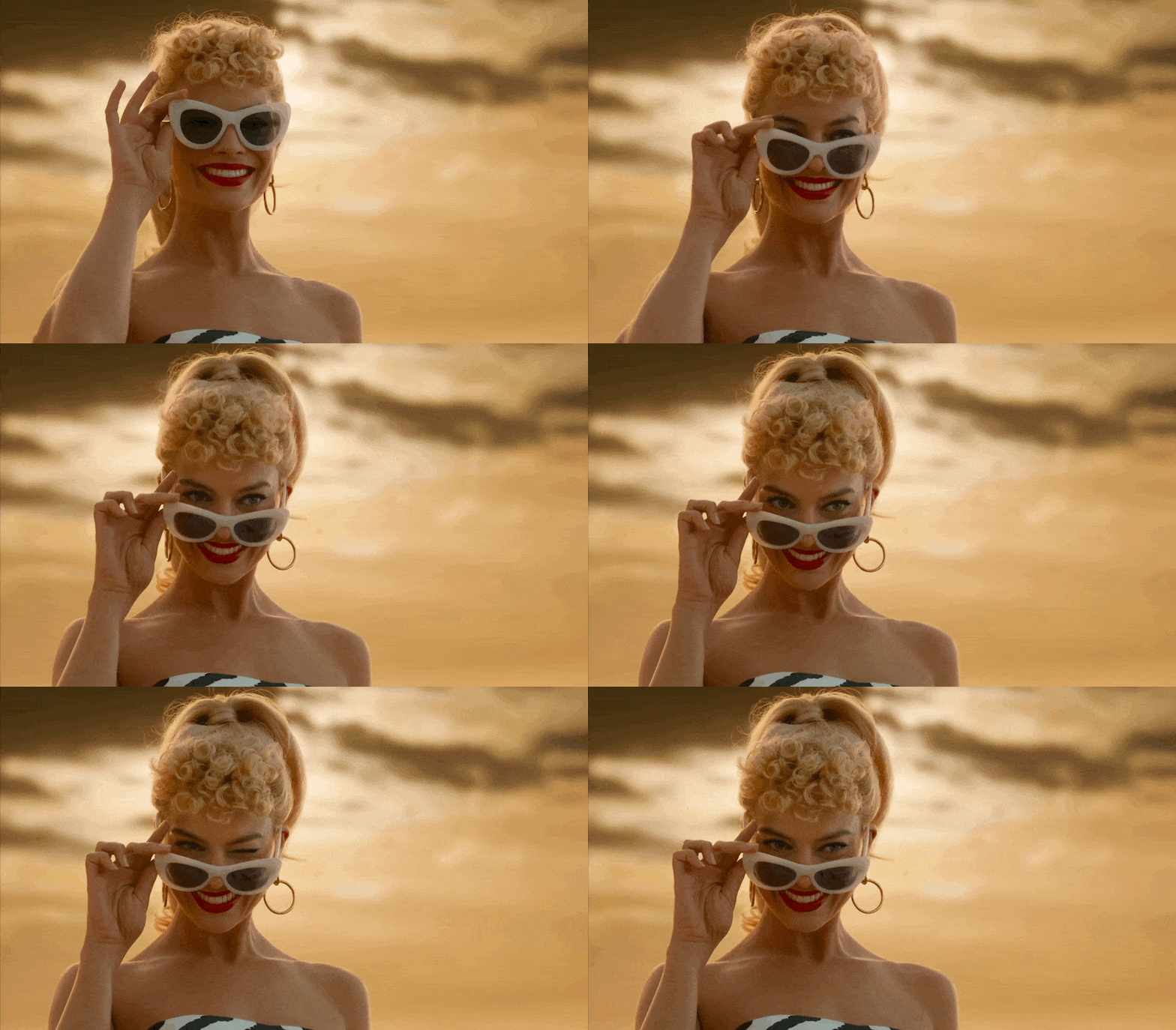
The little girls look at her, and everything changes! The baby dolls are smashed! We potatoes love this! The old script is disrupted. It is outrageous. It is dramatic. It is very funny. But it is also doing something important right away!
Barbie once represented possibility. Not perfect possibility, and certainly not uncomplicated possibility, but possibility nonetheless. She allowed girls to imagine themselves as something beyond motherhood alone. A doctor. A president. An astronaut. A writer. A scientist. A person with a home, a wardrobe, a convertible, and no visible responsibilities. Iconic? Yes. Unrealistic? Also yes. But we potatoes digress!
“Because Barbie can be anything, women can be anything. And this has been reflected back onto the little girls of today in the Real World.”
“Girls can grow into women, who can achieve everything and anything they set their mind to. Thanks to Barbie, all problems of feminism and equal rights have been solved.”
We potatoes had to pause at that… that is quite the bold, untrue, and naïve statement. We potatoes wish this was true, but unfortunately as long as the world is run by the patriarchy… sigh.
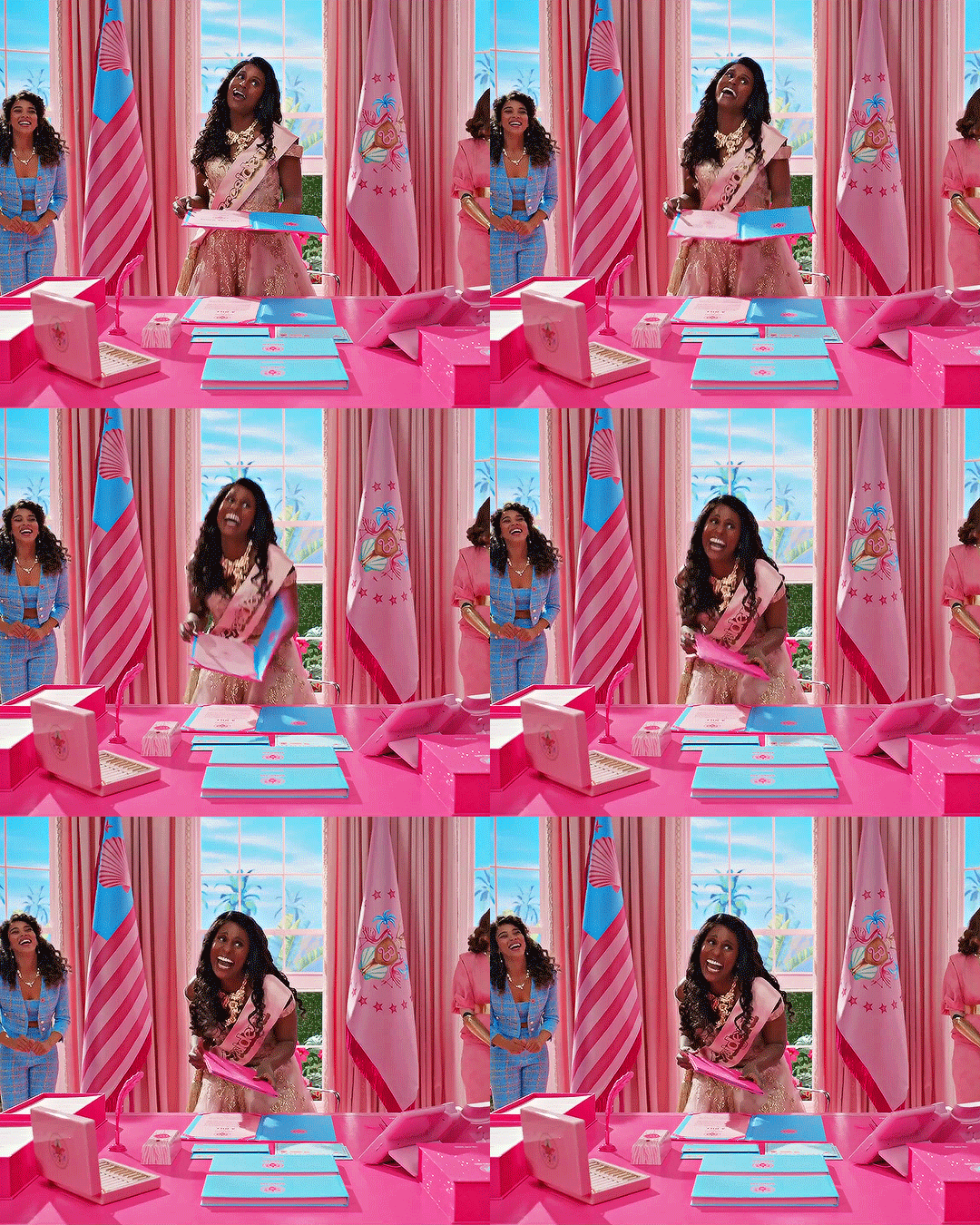
From there, we enter Barbieland, a cheerful, perfect, plastic paradise where every Barbie is successful, celebrated, and deeply convinced that she has solved feminism forever.
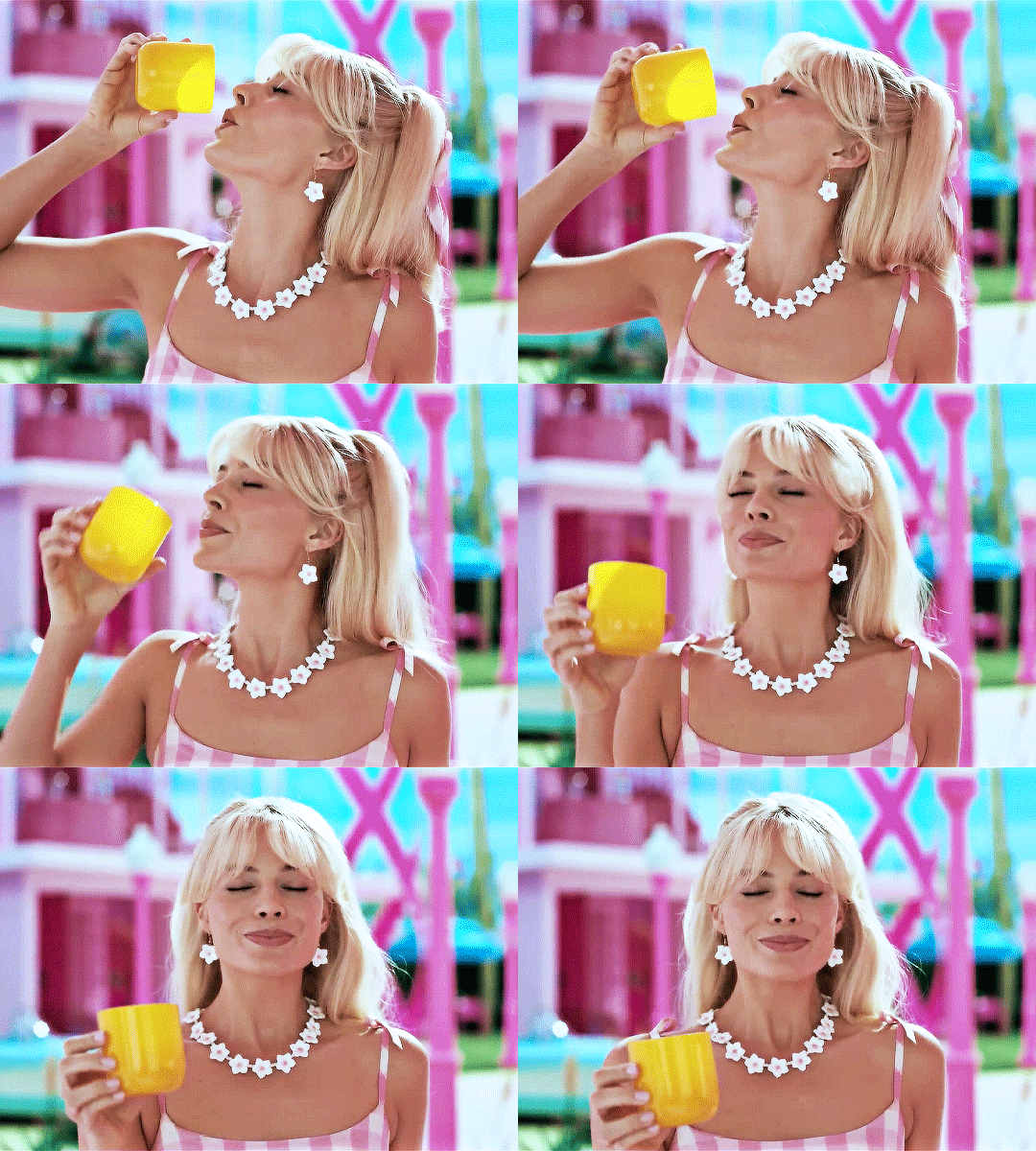
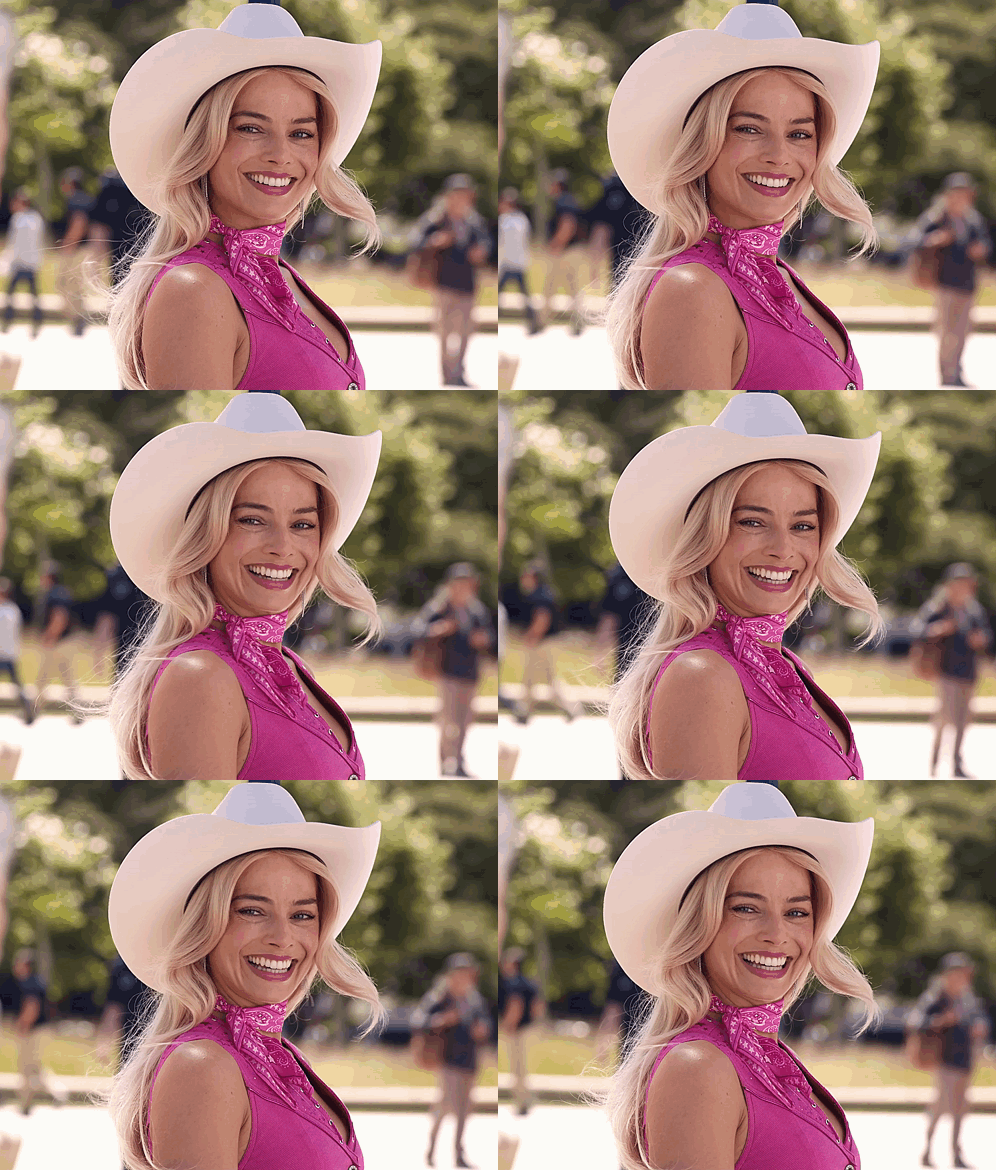
Here we meet Stereotypical Barbie (Margot Robbie) who begins each day in perfect routine. She wakes up in her dream house. She has a perfect shower with no water, drinks invisible milk, and somehow manages to live an entire life without stairs being necessary in any practical sense. She floats down to her car. She greets every Barbie.
President Barbie runs the country. Doctor Barbie heals people. Writer Barbie wins awards. Lawyer Barbie argues brilliantly. Every Barbie is important, accomplished, and admired.
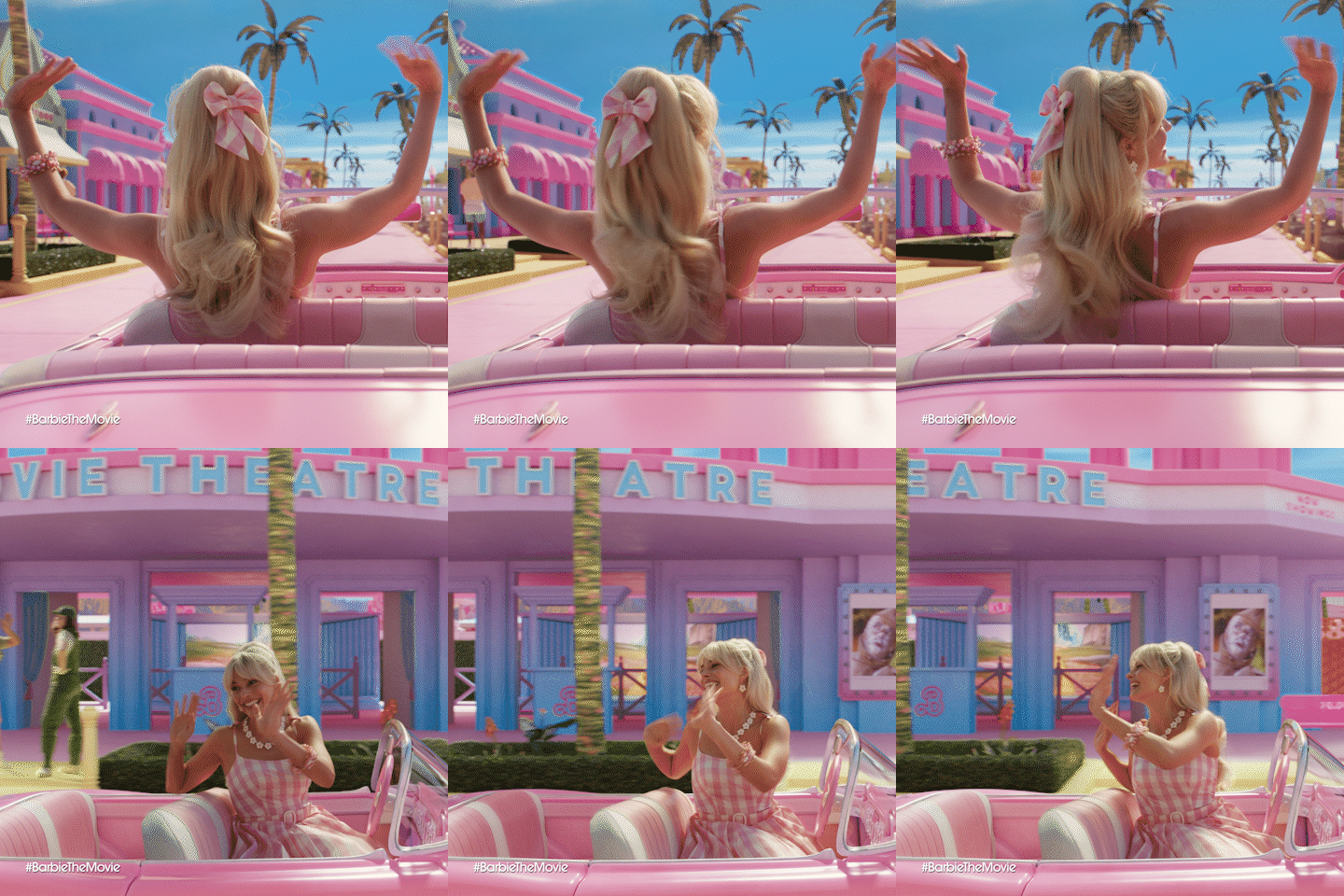
Everything is jovial. Everything is pink. Everything is perfect. Or… so it seems as Barbie drives through Barbieland headed to the beach.
But… What about Ken?
Well, the Kens are there too! They are just not Barbie and this is not Kenland… this is Barbieland.
“Barbie has a great day every day, but Ken only has a great day if Barbie looks at him.”
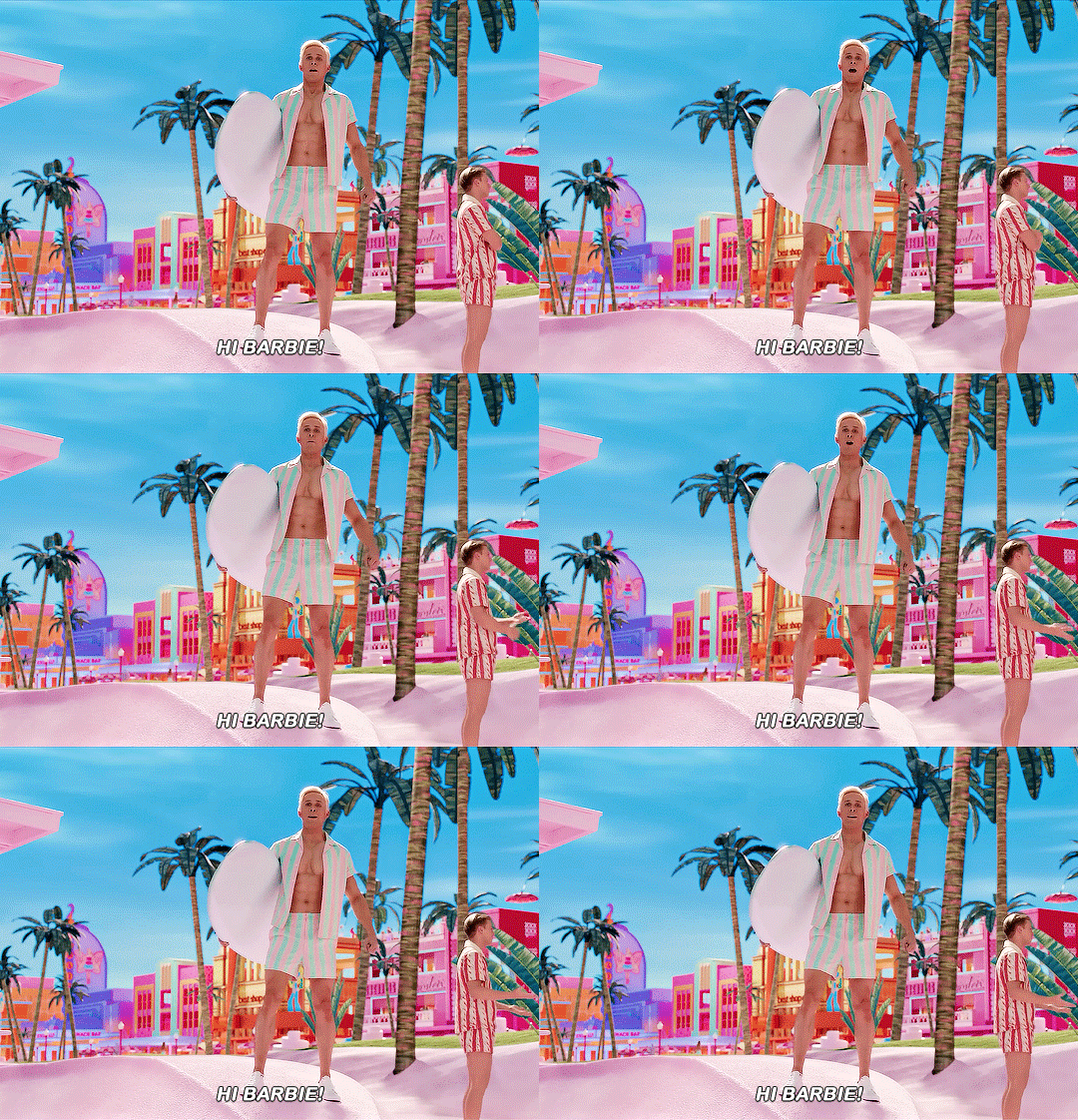
Barbie reaches the beach, changes clothes magically, and waves at Ken. “Hi, Ken.” This starts a string of saying “Hi” to everyone on the beach. “Hi Barbie!”
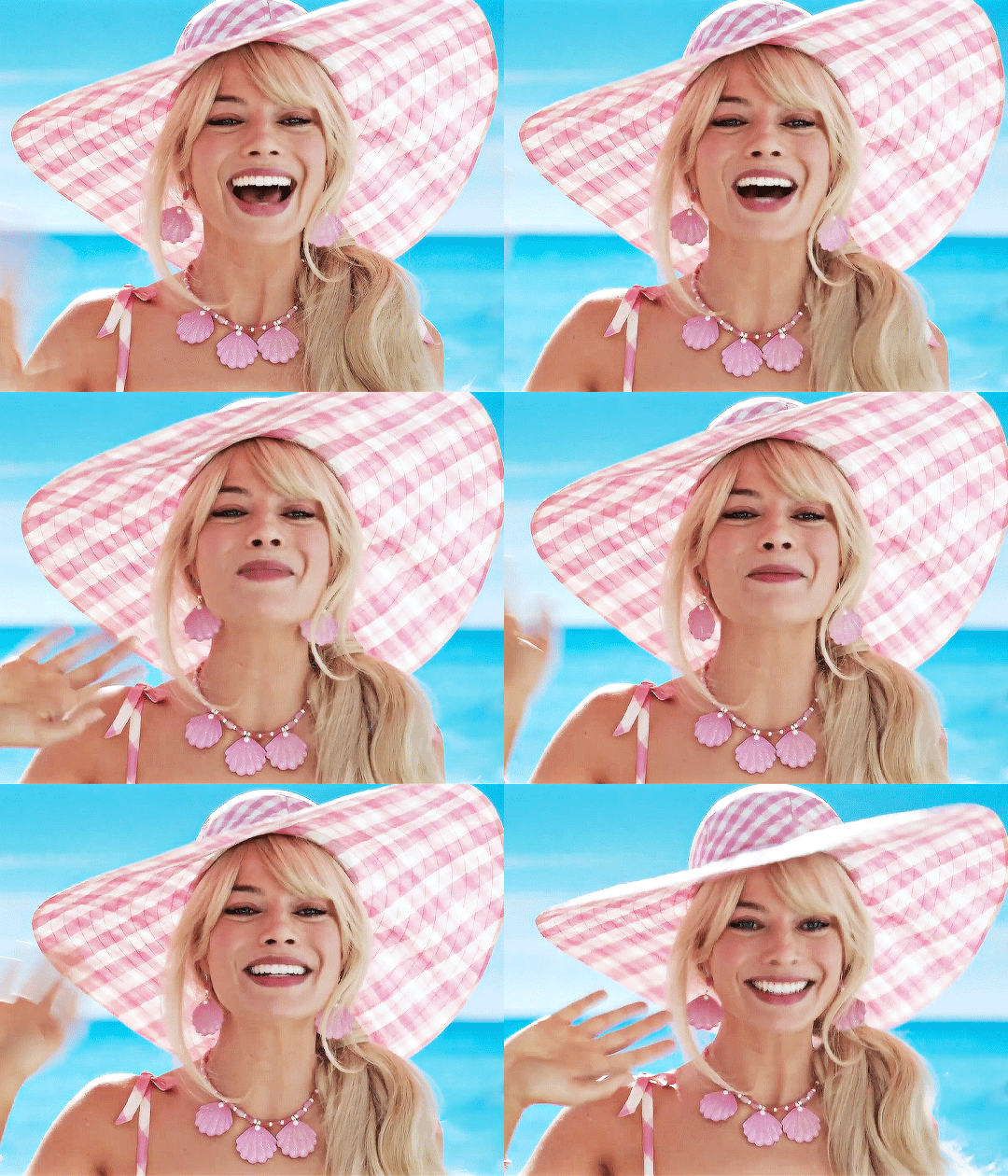
All of the Kens want Barbie’s attention, and will do some pretty outrageous things to try to get it. Mostly on the beach. That is what many Ken’s do, not life-guarding… just “Beach.” Which is hilarious and sad at the same time.
The two main Ken’s (Ryan Gosling and Simu Liu) are bitter rivals. Ken (Ryan Gosling) injures himself in an attempt to impress Barbie and what ensues is one of our personal favorite scenes of the entire film.
“Looks like this beach was a little too much beach for you, Ken.” (Simu Liu)
Ken (Ryan Gosling) takes offense to this! They have a hysterical back and forth about “Beaching each other off.” Is it on the nose? MAYBE but we potatoes do not care!
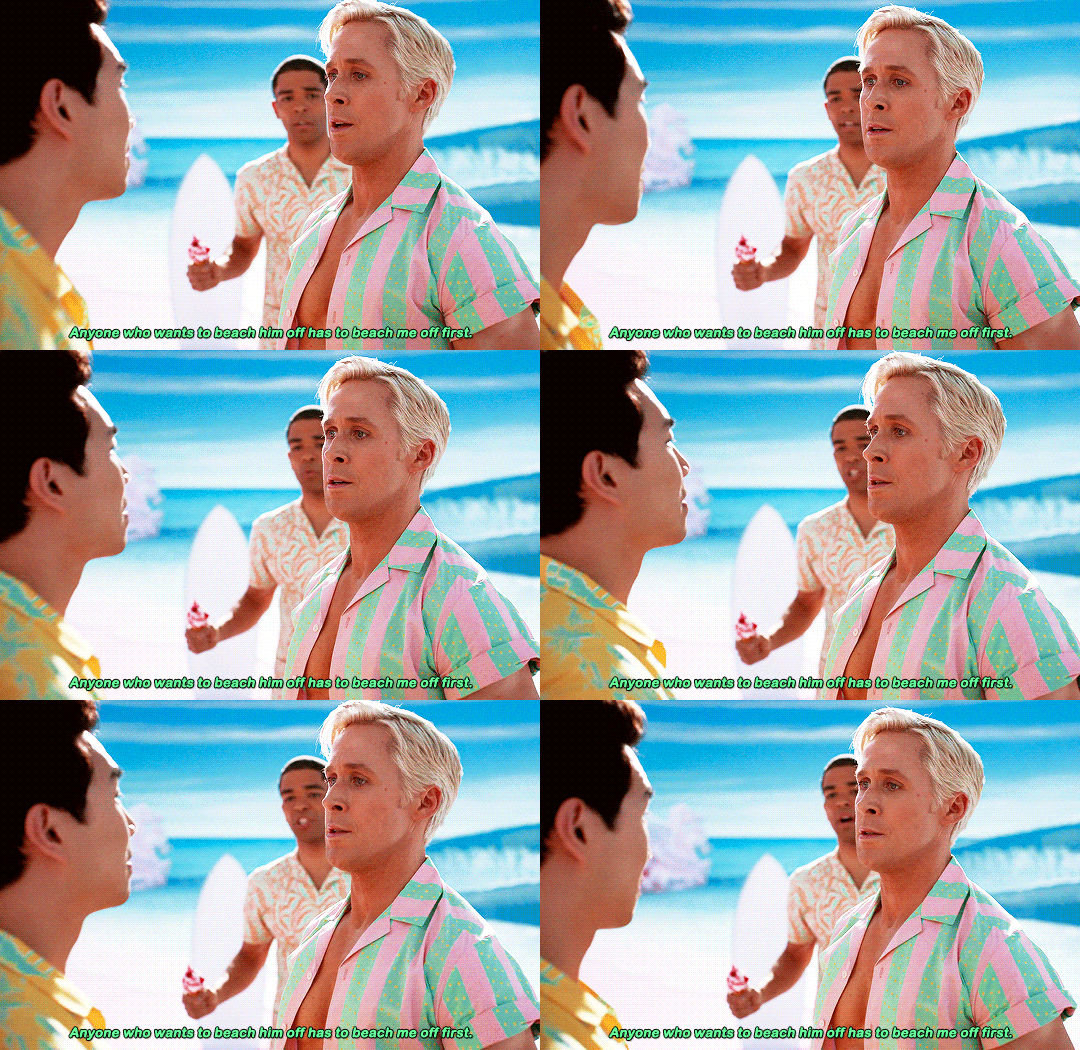
“I will beach both of you off at the SAME TIME.” It is so perfect. We love it!
Barbie steps in, and Ken’s injury is taken care of by Doctor Barbie.
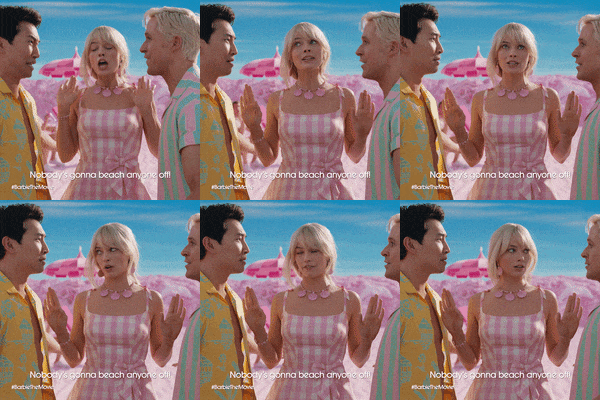
Later that night all of the Barbie’s are partying at Stereotypical Barbie’s house! They are all having an amazing time. The music is catchy, the dancing is lit, and most of the Ken’s are standing on the sidelines watching. One Ken in particular is watching Barbie with such longing it is comical.
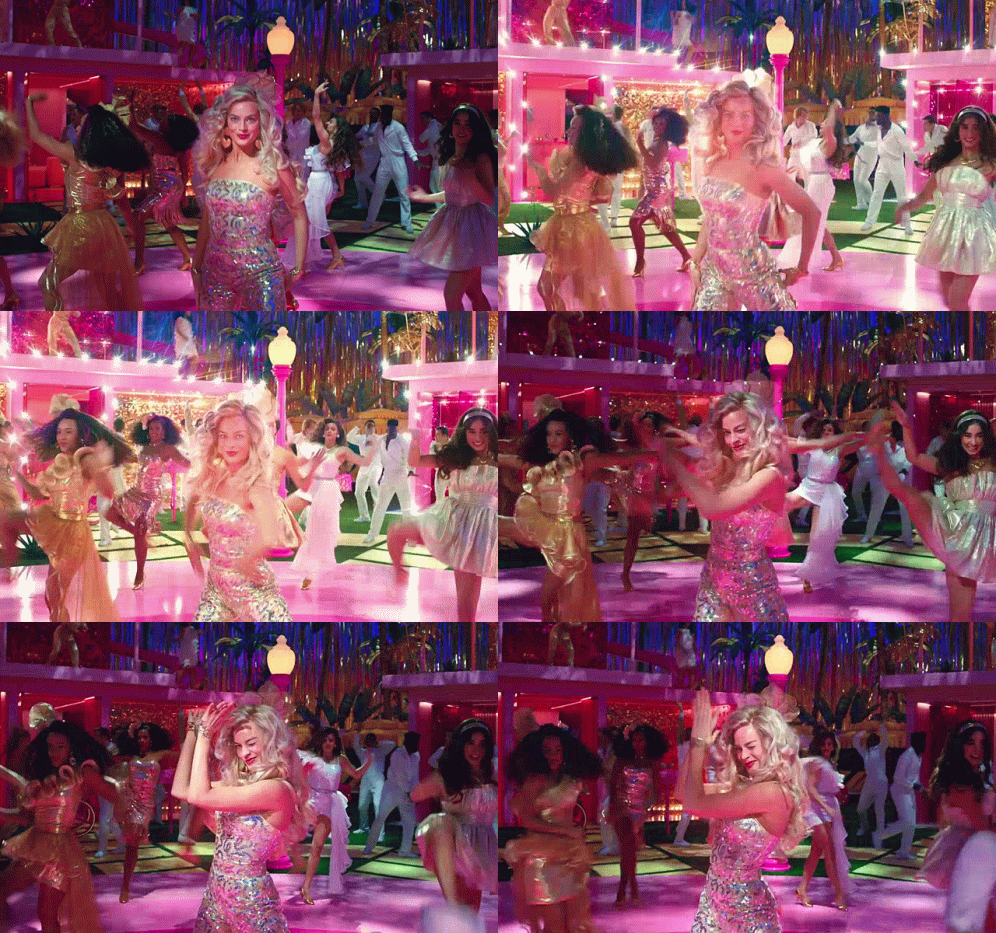
Everything seems to be going off without a hitch! That is… Until Barbie asks, in the middle of a dance party, “You guys ever think about dying?”
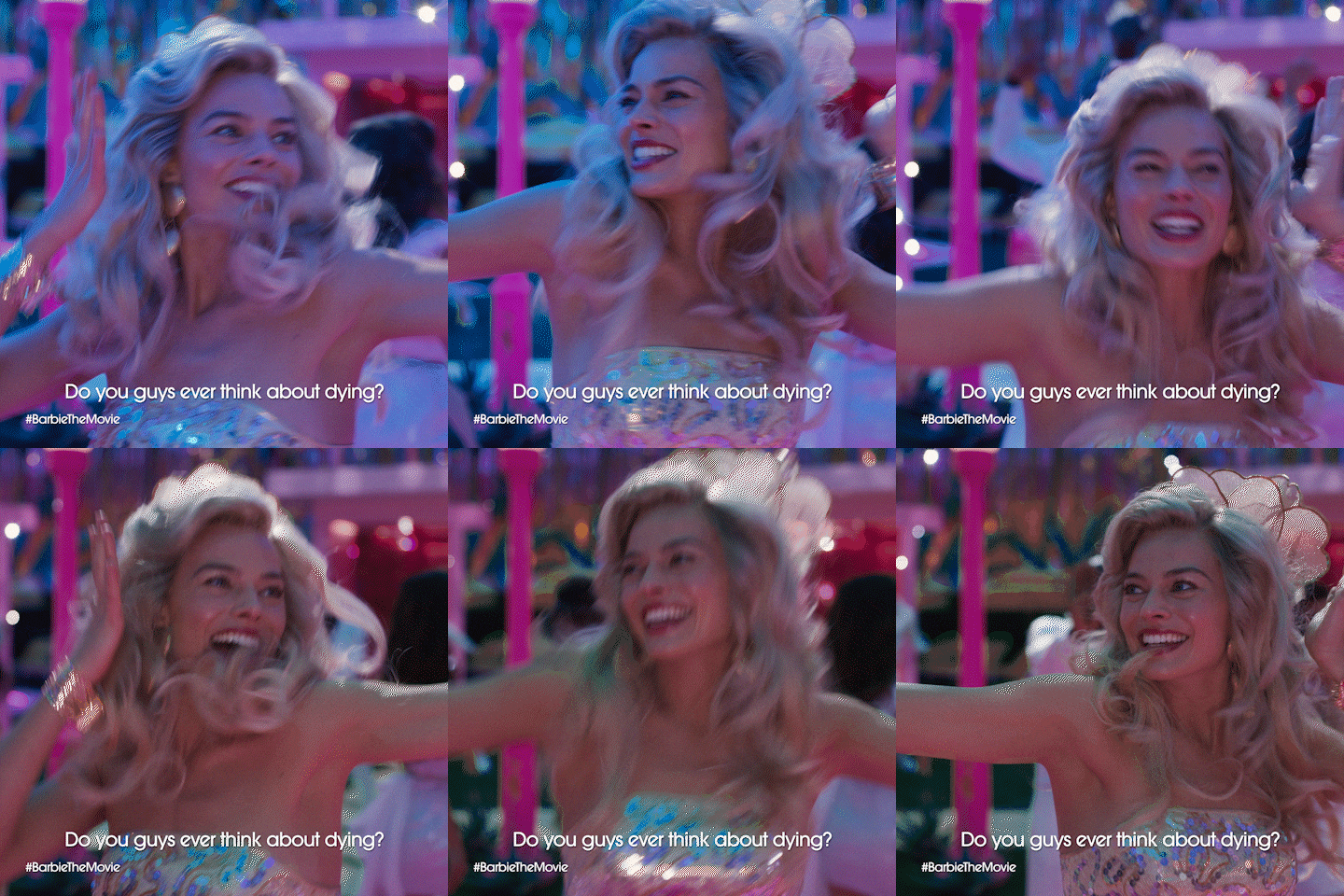
We potatoes laughed so hard at this moment because it is so abrupt and so deeply relatable. One moment you are dancing, the next you are contemplating mortality. We have all been there. Or at least, we potatoes have been there. More often than we would like, frankly.
Everything stops. Everyone stares. Barbie stands there awkwardly… “I don’t know why I just said that. I’m just dying to dance!”
The party continues… but everything for Stereotypical Barbie is about to change.
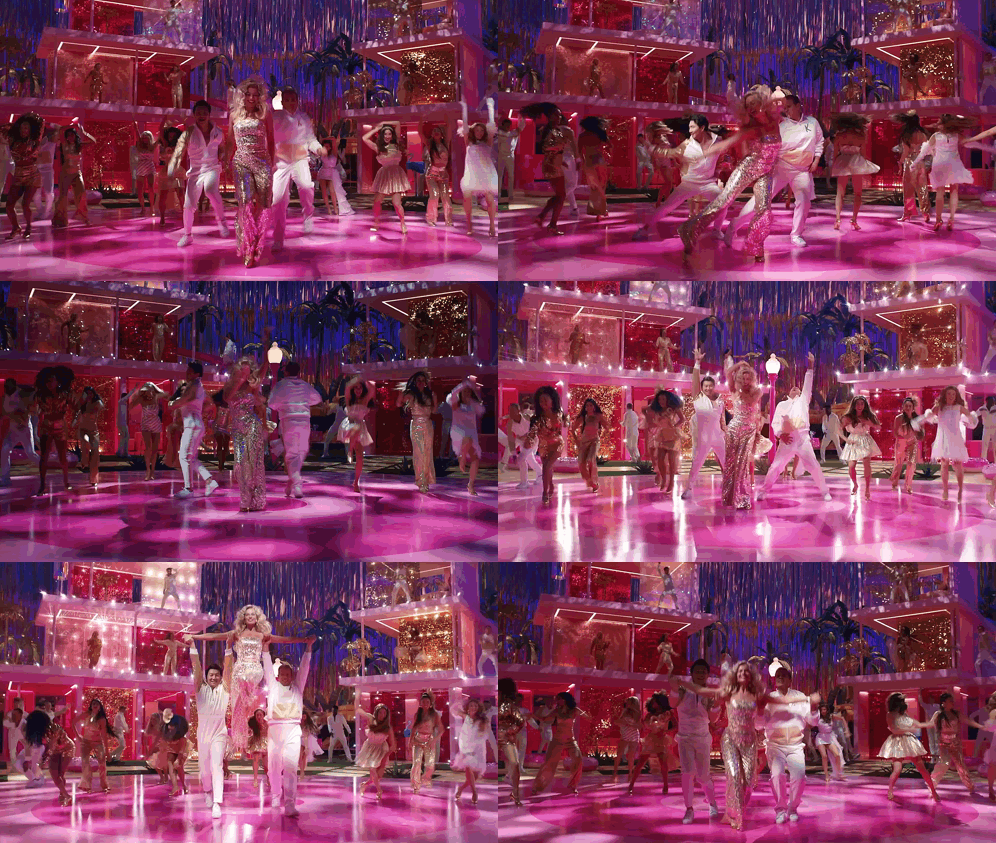
When the party is over, Ken stays to say goodnight to Barbie. He wants to spend time with her, but Barbie does not pick up on this. She says goodnight to Ken and has girl’s night inside her Barbie Dream house.
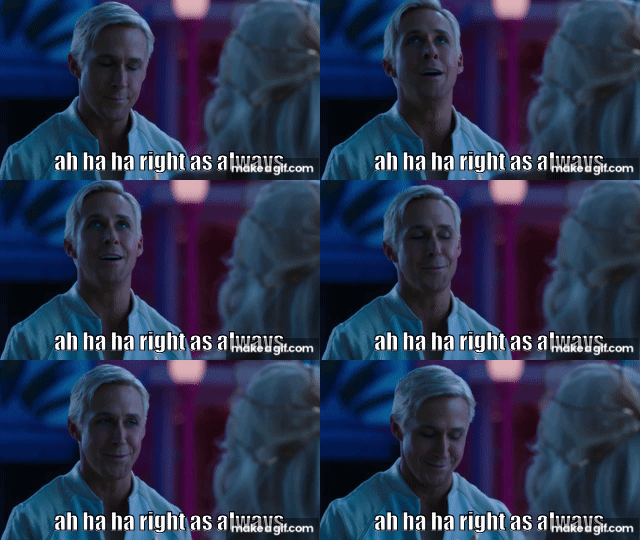
Ken leaves, but you can feel his hurt and we potatoes wondered while watching… where do the Kens sleep? Do they have their own houses? This is not a question that the film ever really answers and we wish it did.
Anyway, from that moment on, Barbie's perfect world begins to crack. Her feet go flat. Her shower is cold. Her breakfast is burned. She falls instead of floating. Worst of all, she develops cellulite. The horror! The absolute devastation! The Barbies are aghast, and Barbie is forced to seek out Weird Barbie (Kate McKinnon), who has clearly been played with very hard and is all the better for it!
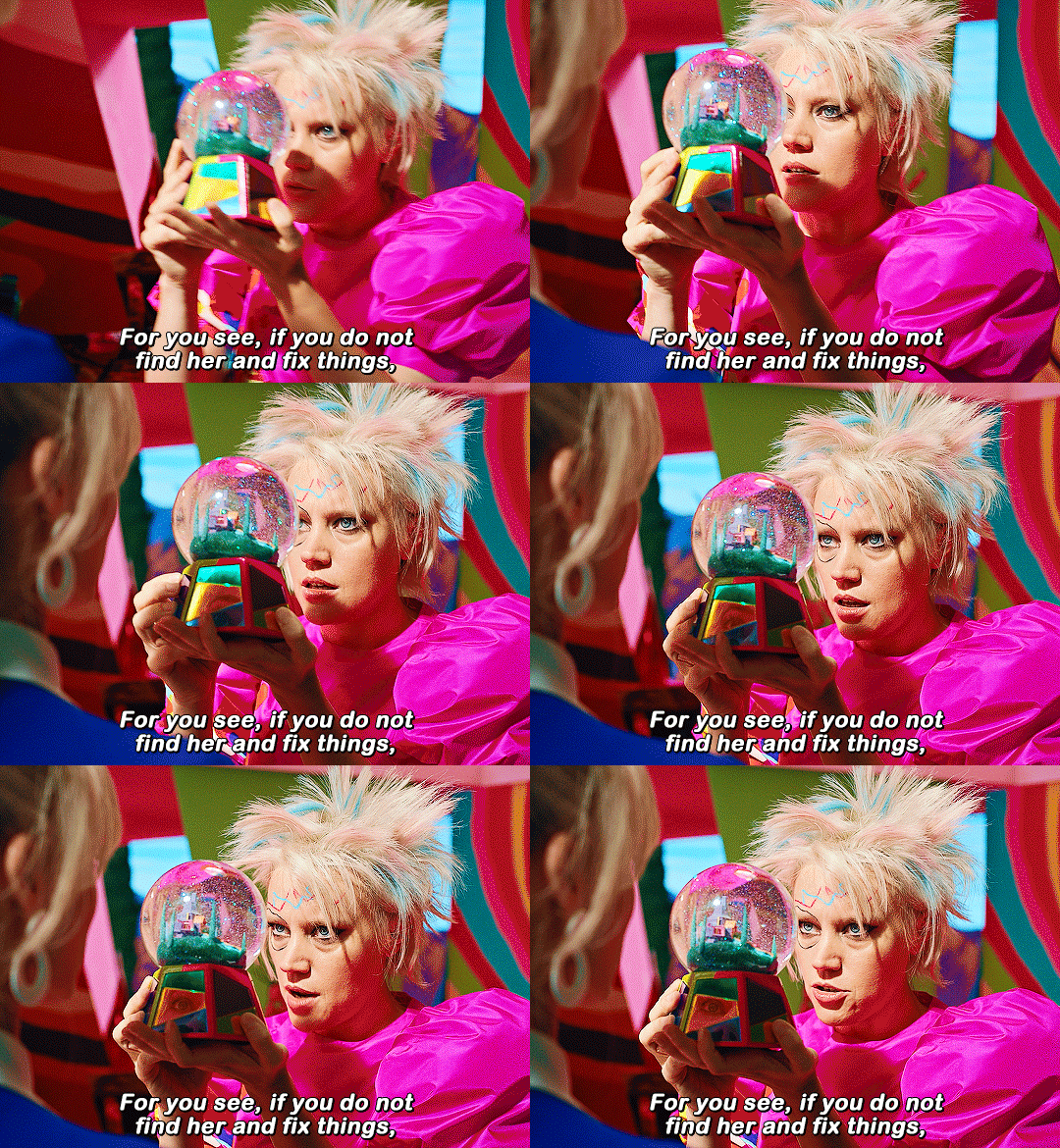
We potatoes adore Weird Barbie! Weird Barbie tells Barbie that something has gone wrong between her and the girl playing with her in the real world. So Barbie must leave Barbieland and enter reality to fix it. Ken (Ryan Gosling), who truly cannot exist without Barbie, invites himself along.
Of course he does!
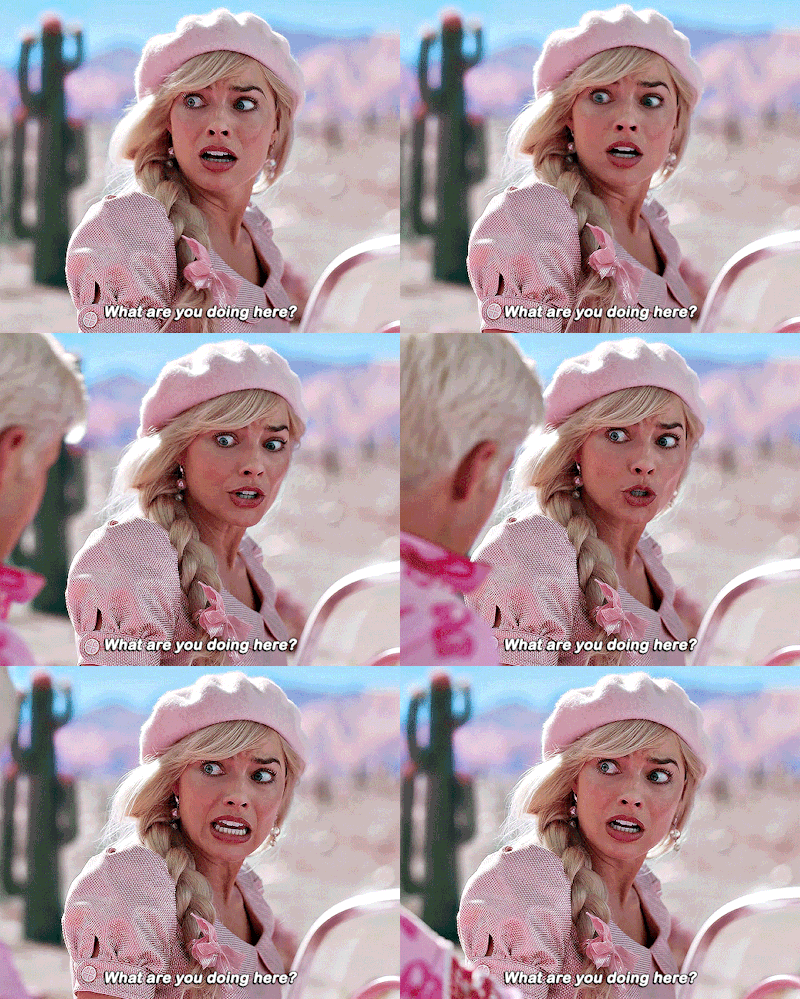
Wrapping it up from here! Once Barbie and Ken enter the real world, the film begins to reveal what it is truly interested in. Barbie expects to find a world transformed by her existence. She believes that because Barbie showed girls they could be anything, real women must now be living in freedom, confidence, equality, and joy.
Instead, she discovers harassment, objectification, discomfort, confusion, and the crushing realization that the real world did not become Barbieland.
Not even close.
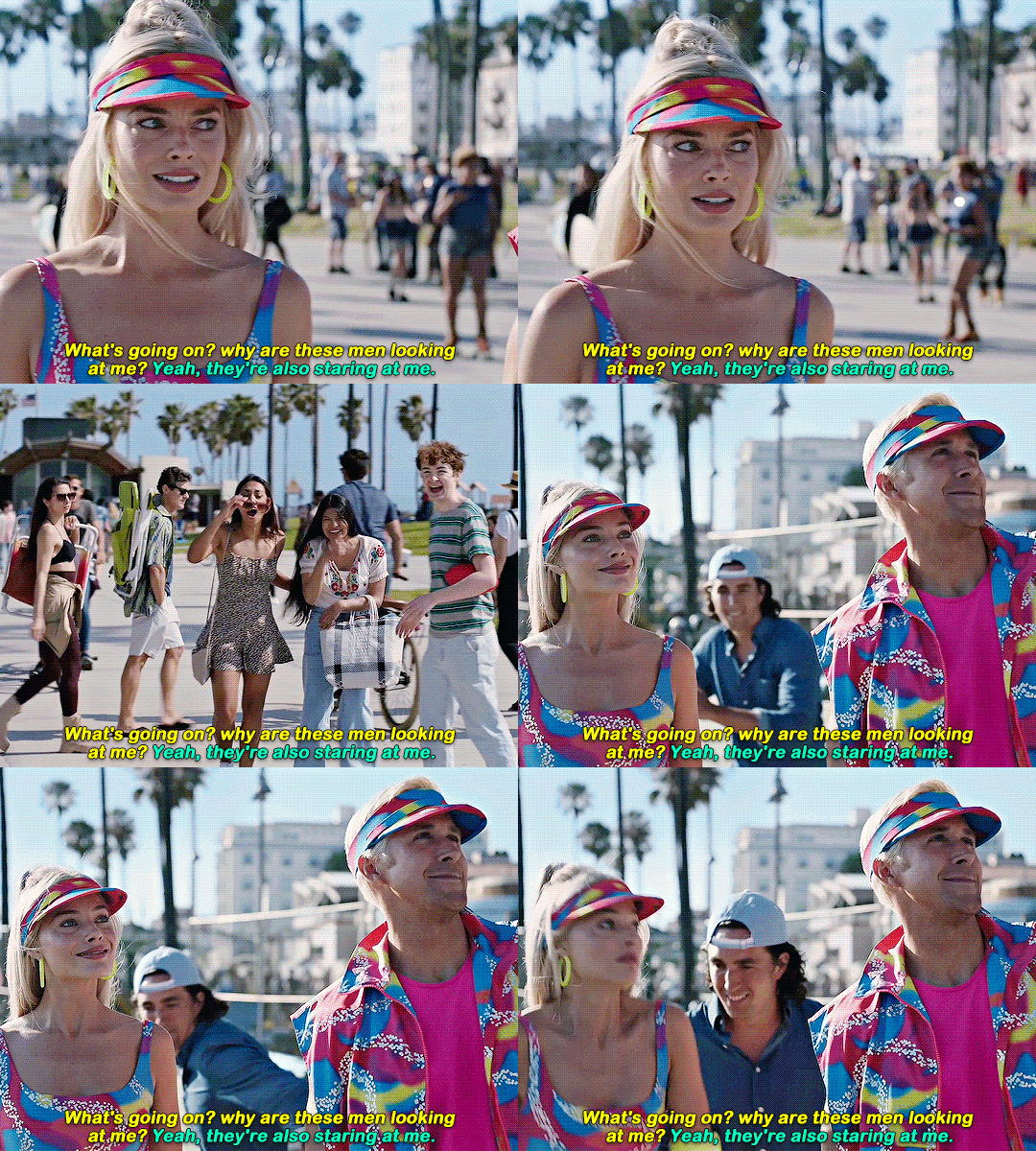
Barbie is much sharper than expected! The film is very funny, but the joke has teeth. Barbie is not simply discovering that the real world is different. She is discovering patriarchy. She learns that being seen is not the same as being respected, and that the promise of possibility is not the same as equality.
Meanwhile, Ken discovers patriarchy too, and unfortunately for everyone, he thinks it is amazing! Having spent his entire existence feeling secondary, he suddenly finds a system that appears to hand men power, status, and importance simply for being men. Because he has no identity outside of Barbie, he clings to it like a life raft.
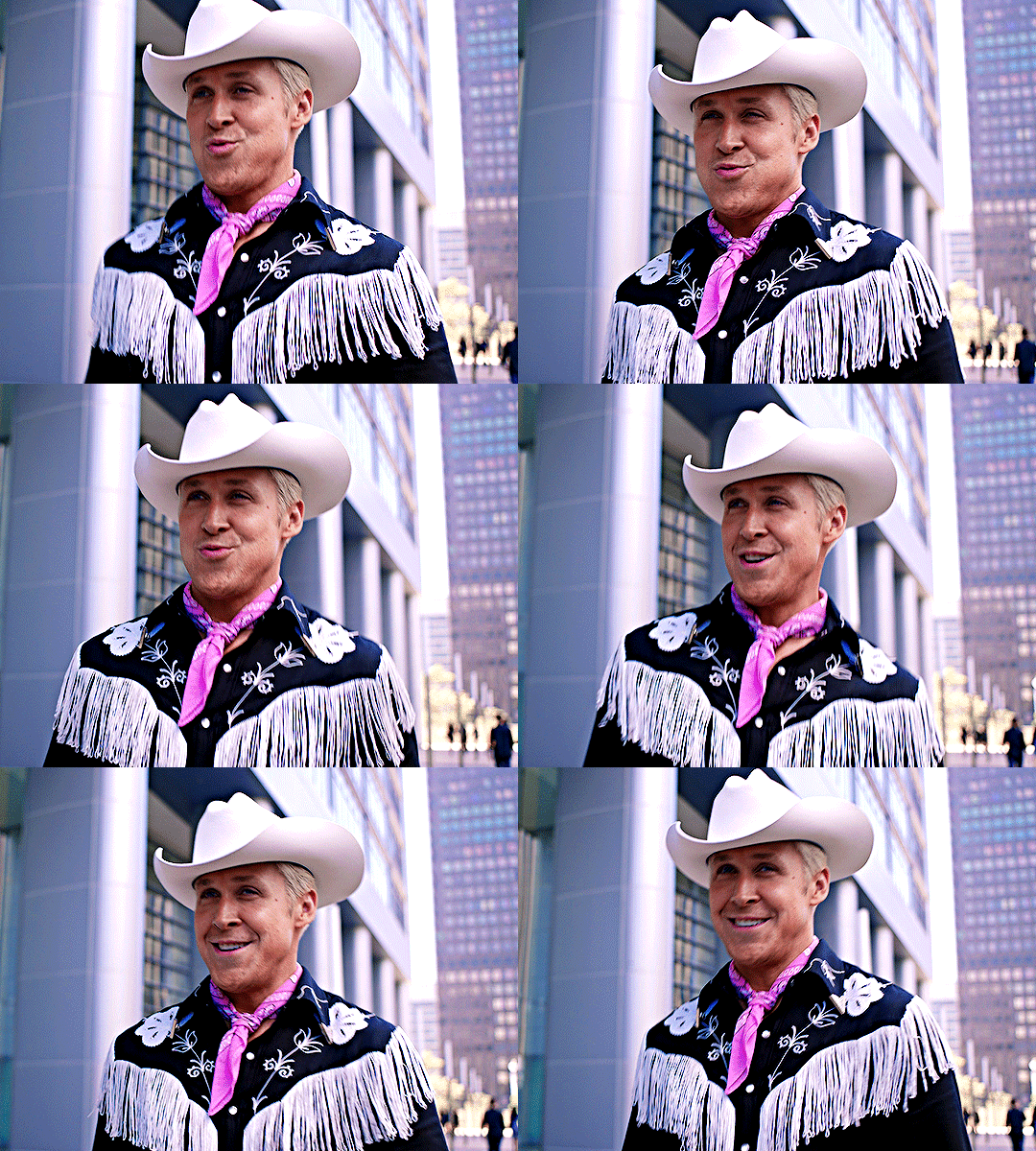
Perplexing? Yes. Also painfully and embarrassingly believable.
As Barbie moves through the real world, she meets Gloria (America Ferrera) and Sasha (Ariana Greenblatt). Through them, the film makes it clear that this is more than a simple celebration of Barbie. It knows Barbie has meant very different things to different people. For some she represented possibility. For others she represented impossible beauty standards, consumerism, and a narrow vision of femininity. For many, she was both.
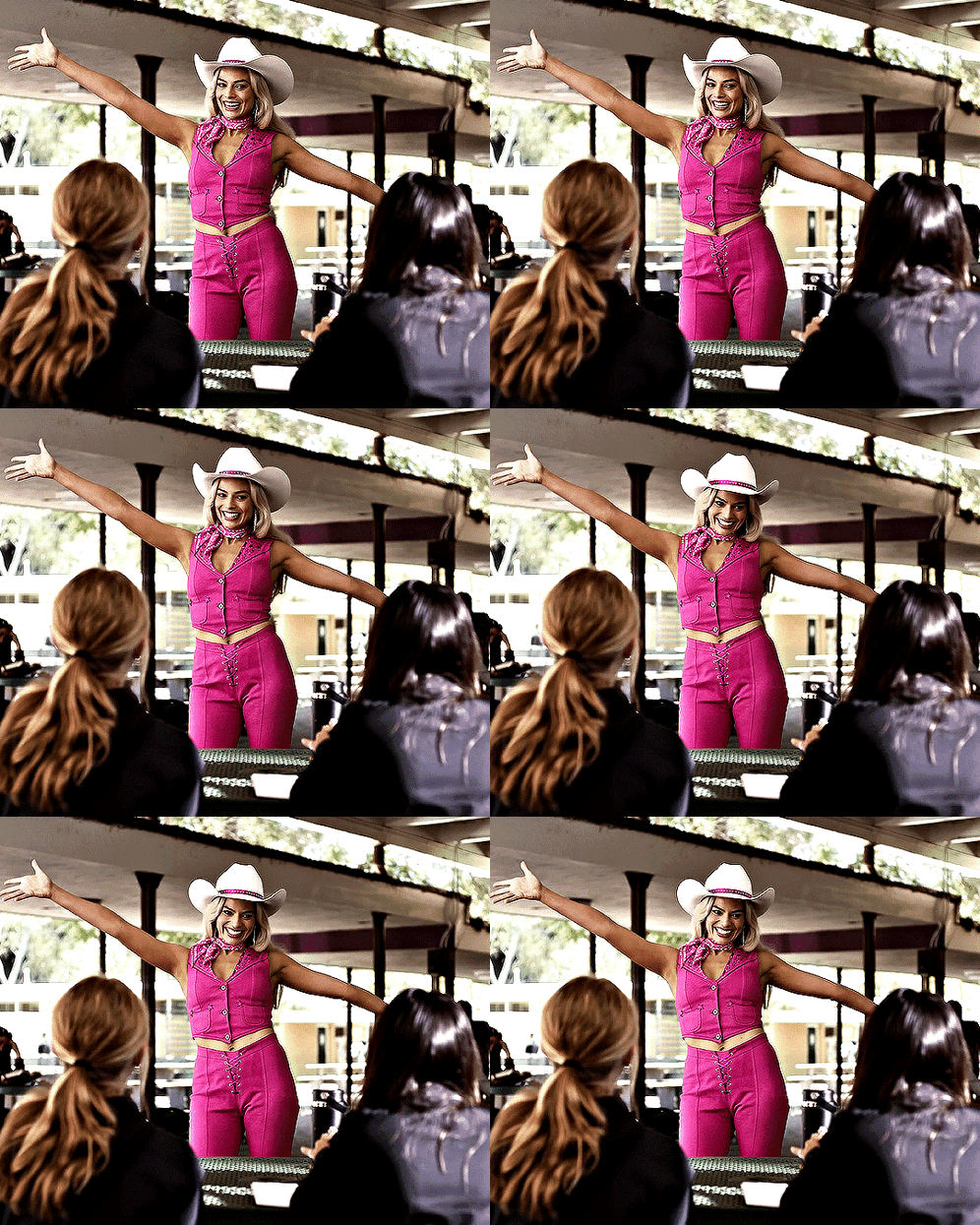
We potatoes appreciated that honesty. Barbie can be empowering and limiting. Joyful and frustrating. A source of imagination and a reminder of exclusion. More than one thing can be true at the same time.
The film gains another layer through Gloria. Her sadness, exhaustion, and longing give the story an emotional weight Barbieland alone could never provide. She is not a doll. She is a woman trying to survive adulthood, motherhood, work, disappointment, aging, and the quiet grief of feeling disconnected from herself and her daughter.

Gloria's monologue about the impossible expectations placed on women has been discussed endlessly, and for good reason. Is it subtle? No. Is it saying something many women already know? Absolutely. Did we potatoes still feel it deeply? Also yes.
Because sometimes the obvious thing still needs to be said out loud.
Women are expected to be everything all at once. Thin, but not vain. Beautiful, but not intimidating. Smart, but not threatening. Successful, but not selfish. Maternal, but not consumed by motherhood. Confident, but not arrogant. Soft, but resilient. Independent, but not too independent and always available. “Always be grateful.” Be yourself... but not like that.
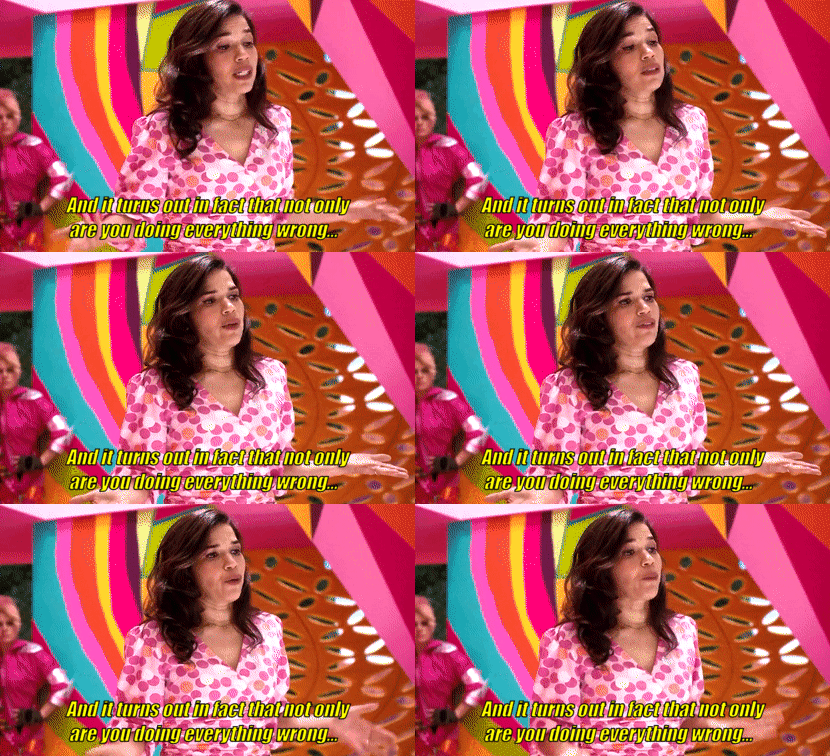
Essentially, don't be human.
It is exhausting, unsustainable, and deeply dehumanizing.
And patriarchy does not just create impossible standards for women. It creates impossible standards for everyone. It punishes vulnerability in men, softness, queerness, gender nonconformity, and anyone whose existence falls outside its narrow expectations. It asks us to become "acceptable" long before we have the chance to become whole.
That is the deeper ache underneath Barbie. The film is not only asking, "What does it mean to be a woman?" It is asking, "What does it mean to be a person when the world keeps turning personhood into performance?"
There are too many scenes in this film we potatoes love, but one in particular quietly stole our hearts. Barbie sees an older woman sitting at a bus stop and tells her she is beautiful. The woman smiles and simply replies, "I know it."
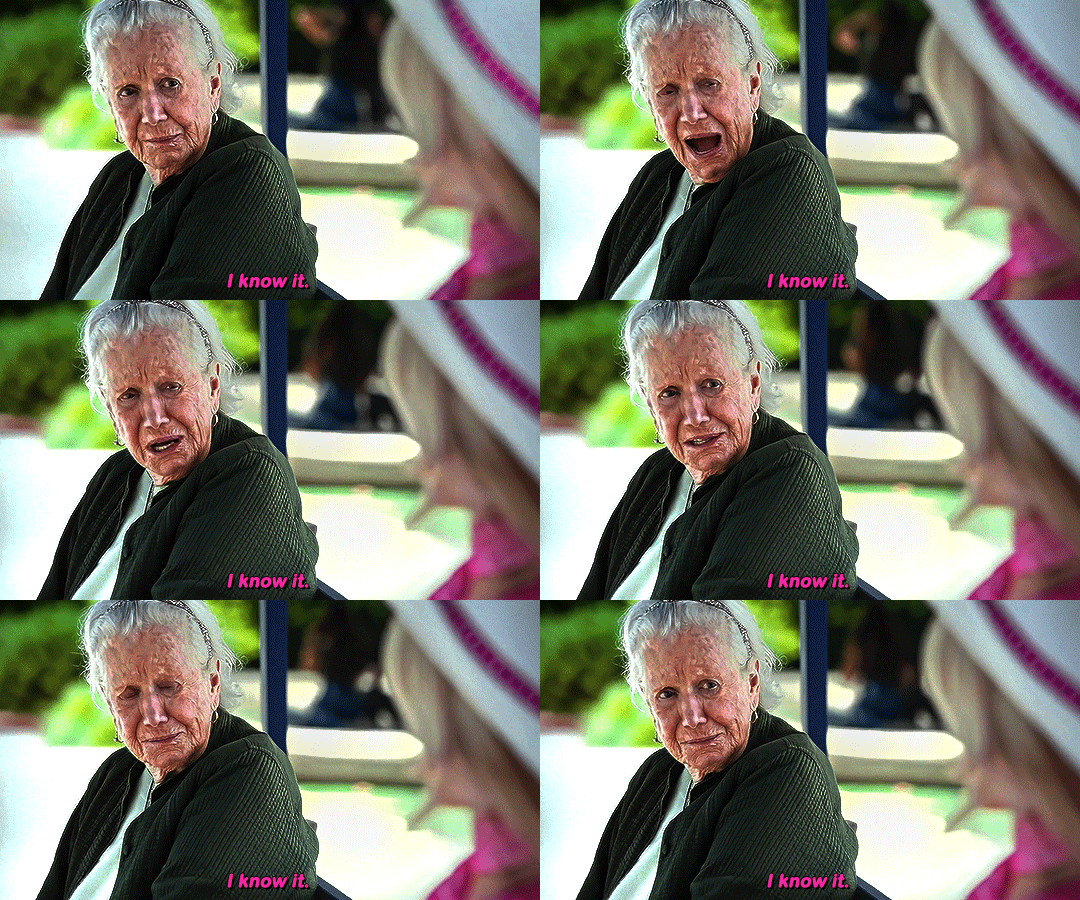
We potatoes adore this moment. In a film filled with giant pink sets, dance numbers, and absurd comedy, it is remarkably quiet. Barbie, who comes from a world obsessed with polished perfection, recognizes beauty in age, humanity, and self-possession. It says so much with so little.
Ken is also far more interesting than he initially appears! Underneath all of his absurdity is someone desperately trying to answer a question many people ask throughout their lives: “Who am I if I stop defining myself through someone else?” His journey is ridiculous, but it points to something deeply real. Barbie does not frame patriarchy as something only women suffer under, though women absolutely suffer under it in specific and systemic ways. It also shows how patriarchy harms men by teaching them that their worth depends on dominance, emotional repression, status, and the approval of others.
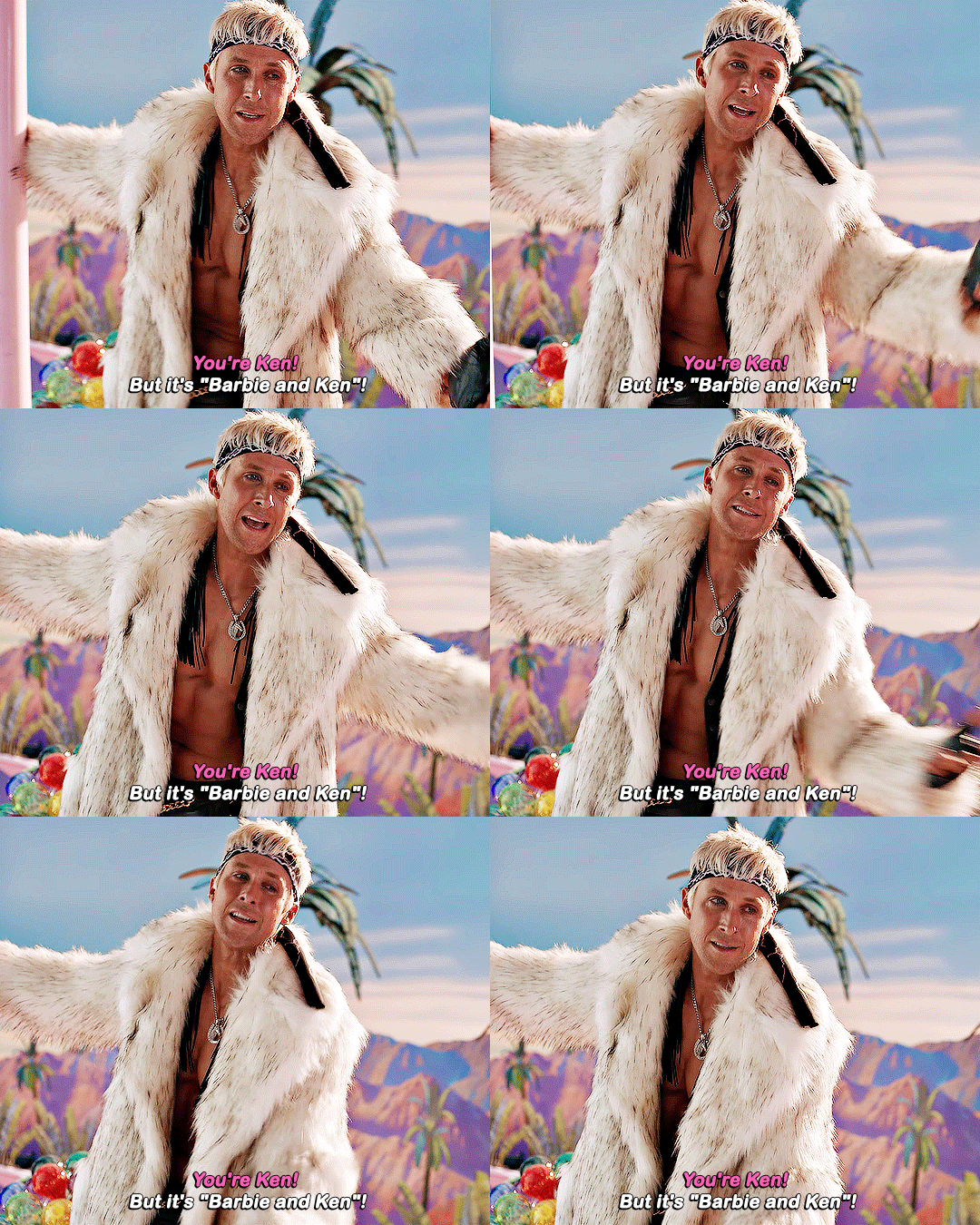
Ken is not a master manipulator or some grand villain. He is lonely. He has no real sense of self. When Barbie cannot give him the meaning he craves, he reaches for the first system that promises it. Patriarchy hands him a script, a costume, and a role to play. That does not excuse what he does, but it does explain why the lie is so appealing.
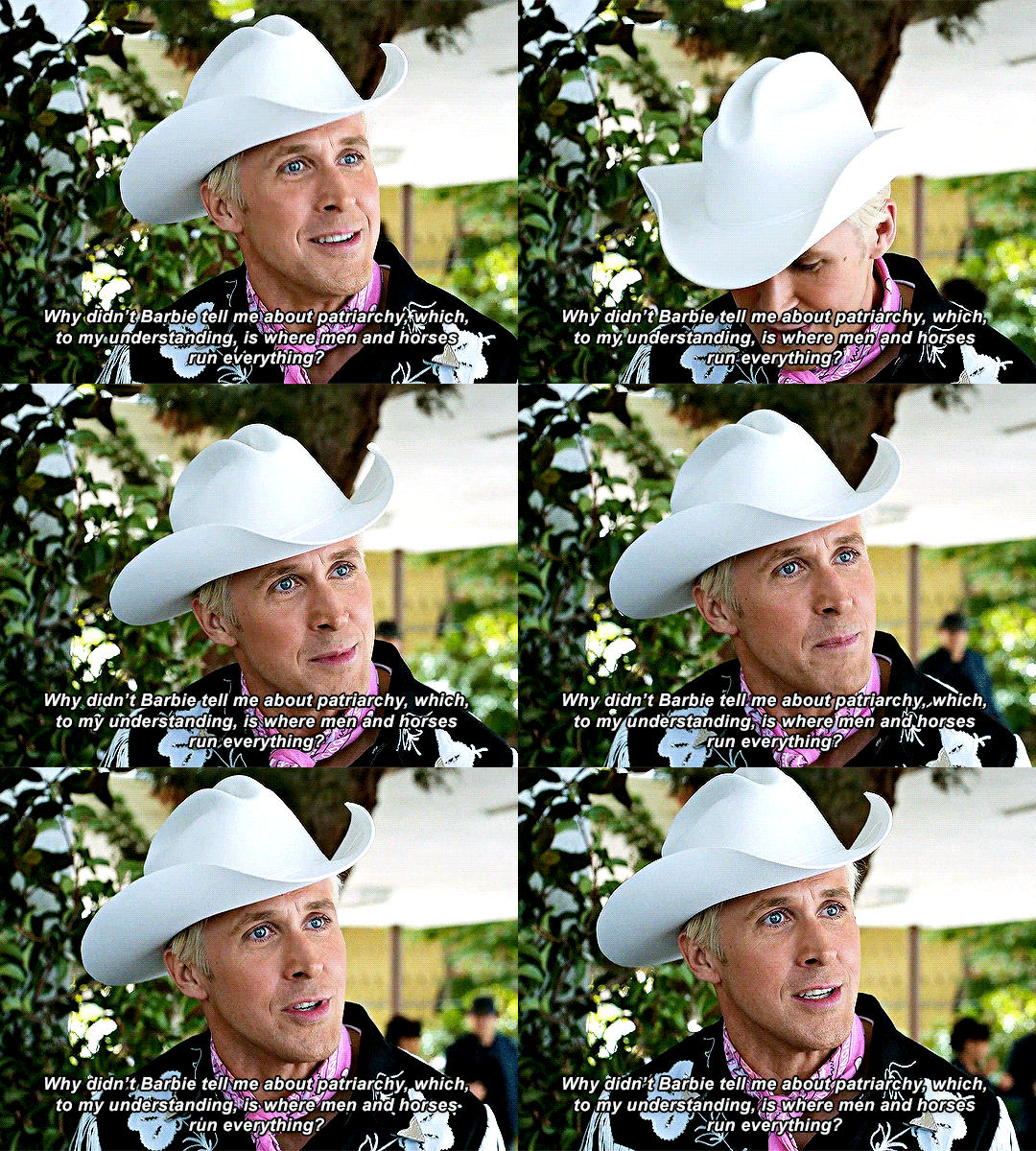
And this is where we potatoes think Barbie is at its most honest. Oppressive systems do not have to make people happy in order to exist or thrive. In fact, they often do the opposite. They simply have to give people identities to cling to. Patriarchy tells women to stay small, to be conventionally attractive, always accommodating, passive, and to tolerate abuse and violence. It even goes so far as to scapegoat women, and say that women deserve abuse and violence. It tells men to suppress vulnerability, logic, and emotional intelligence in favor of violence, and the illusion of power, superiority, and control. It tells queer people, trans people, non-binary people, and anyone outside its narrow expectations that they are somehow wrong. It flattens everyone. It limits everyone. It harms everyone, even while giving some people more power than others.
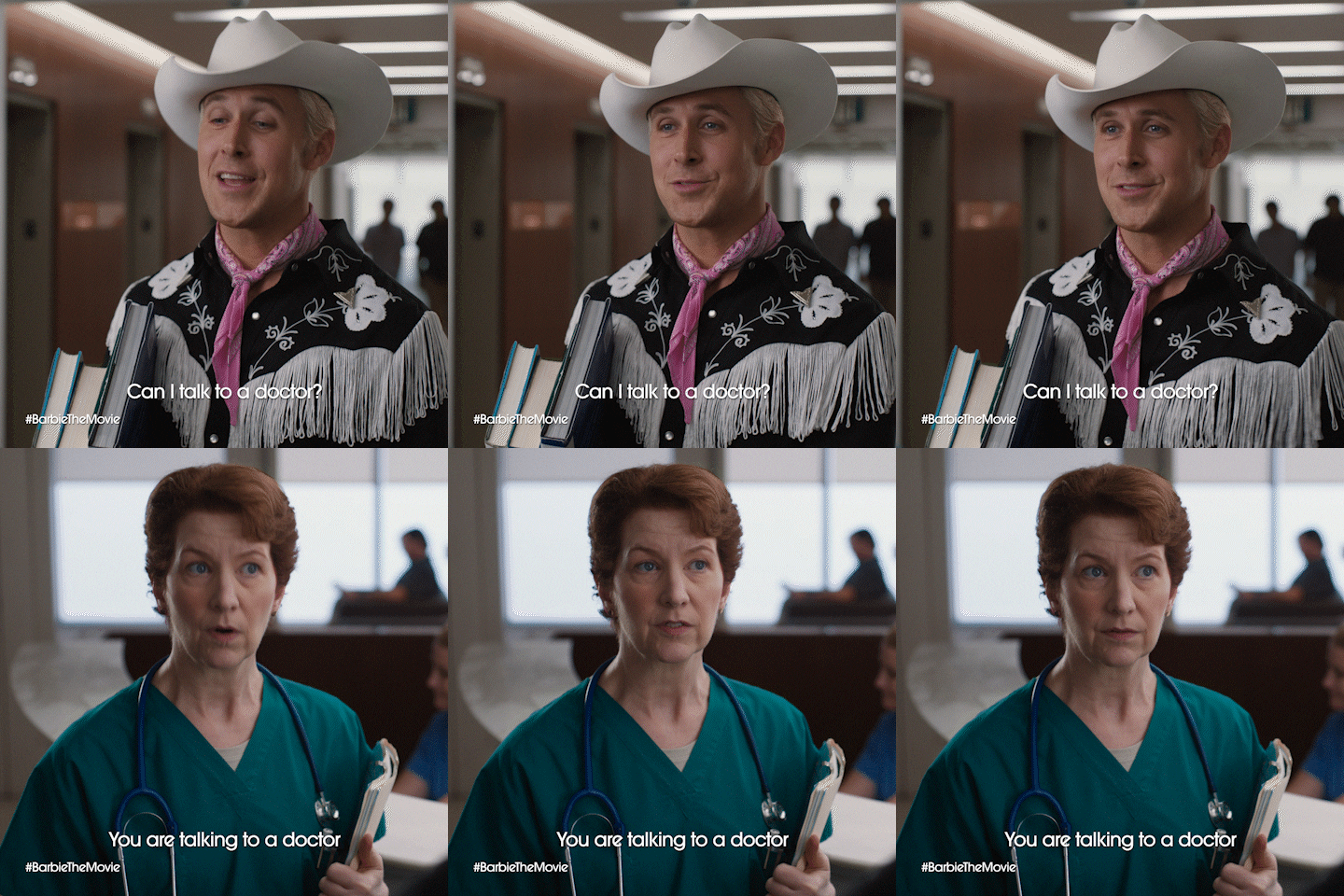
That is why this film feels so relevant during Pride Month. Not because Barbie is secretly a Pride movie, but because the systems it critiques are the same systems that punish authenticity. Patriarchy depends on rigid categories, prescribed roles, and narrow definitions of identity. Pride challenges all of that. It reminds us that we are not here to perform versions of ourselves that make oppressive systems comfortable. We are here to live.
Barbie may be colorful and funny, but that message is not shallow.
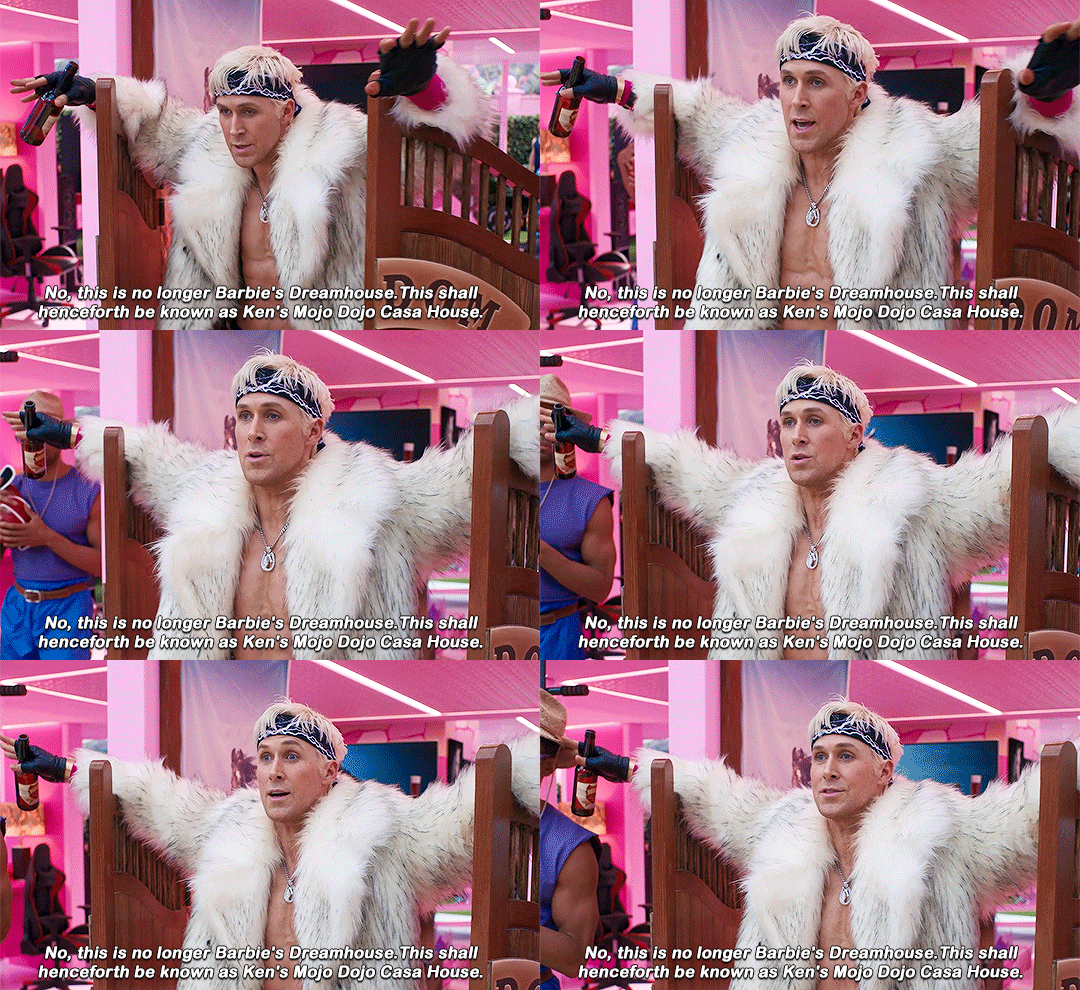
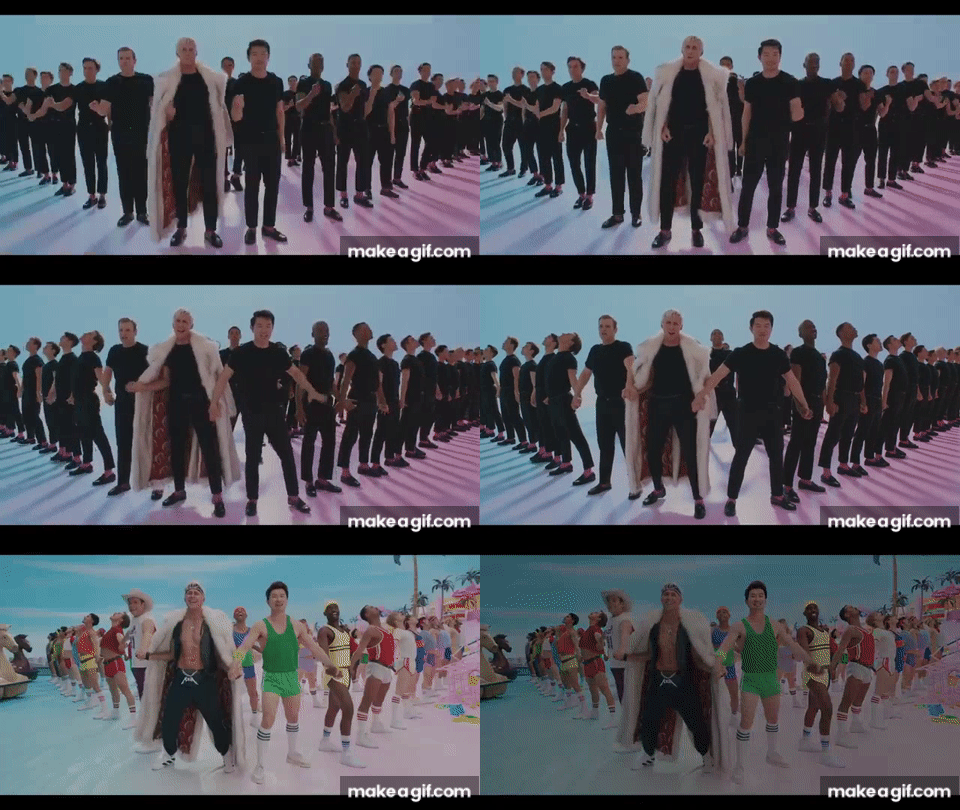
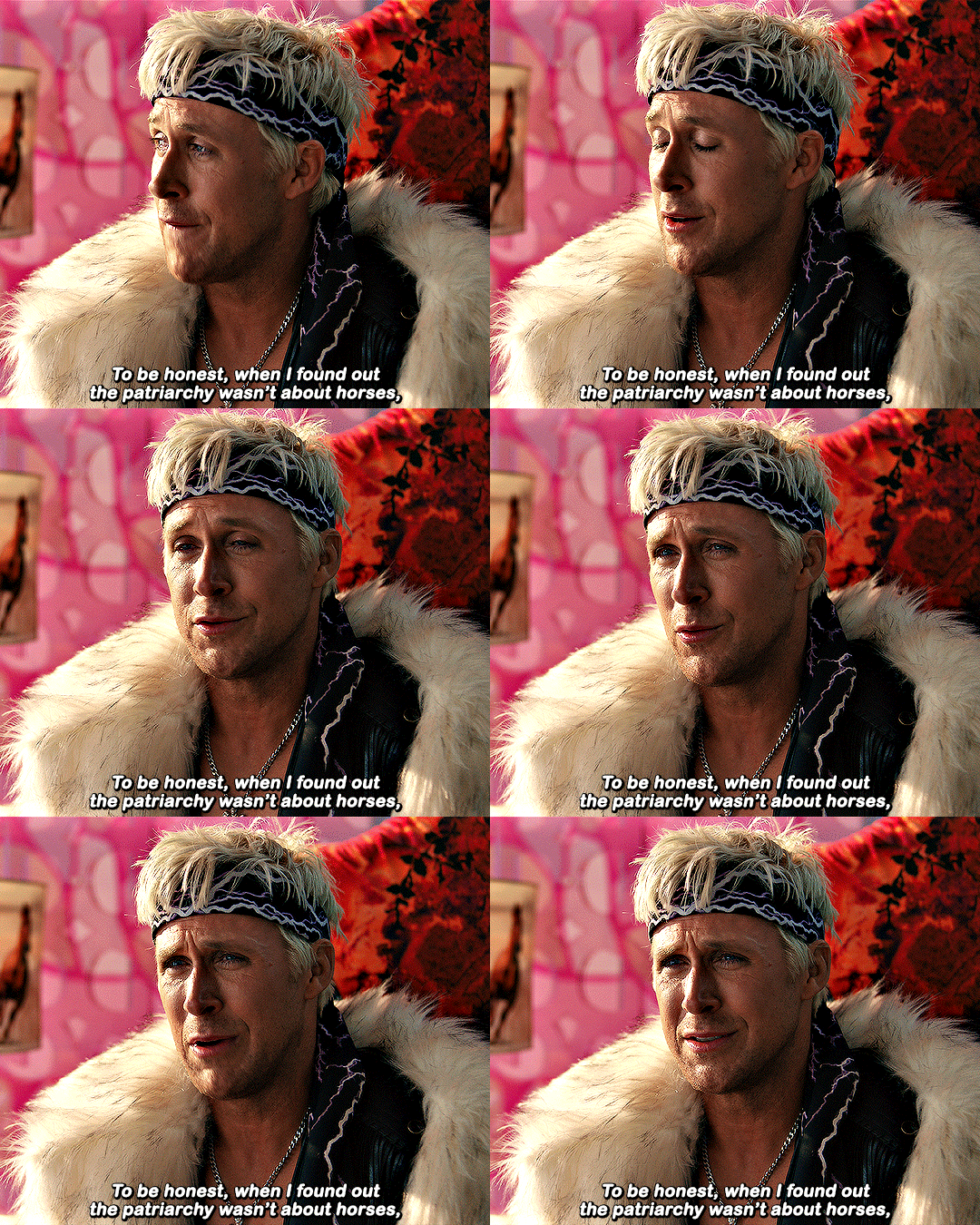
It would have been easy for the film to make Ken nothing more than the punchline. Instead, the film extends him the same compassion it offers everyone else, reminding us that his worth cannot depend on Barbie choosing him. He has to discover who he is for himself. In the end, the most important lesson Ken learns is that he really is Kenough.
That is a message a lot of us need to sit with. Even us potatoes. In a society that wants us miserable, insecure, malleable, uneducated, and constantly chasing a moving goal post, believing we are enough is truly radical. Embracing our authentic selves is not just an important step toward self-love. It is a profound “fuck you” to an abusive system that wants to keep us firmly under its proverbial thumb.
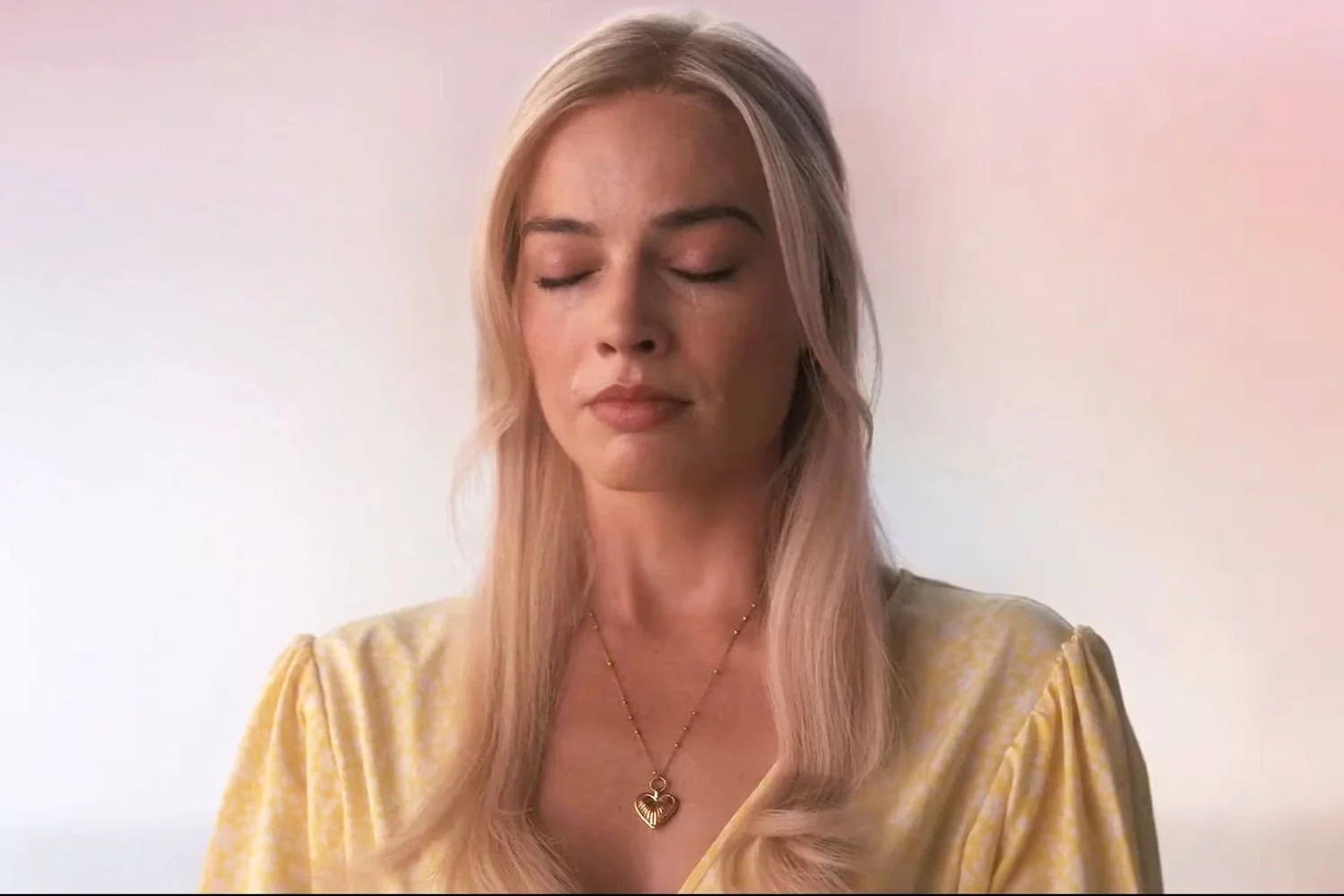
Barbie's journey, reminds us of this and is the emotional center of the film. She begins as an idea, a projection, and a fantasy of perfection. But by the end, she wants something messier and more meaningful. She wants authenticity.
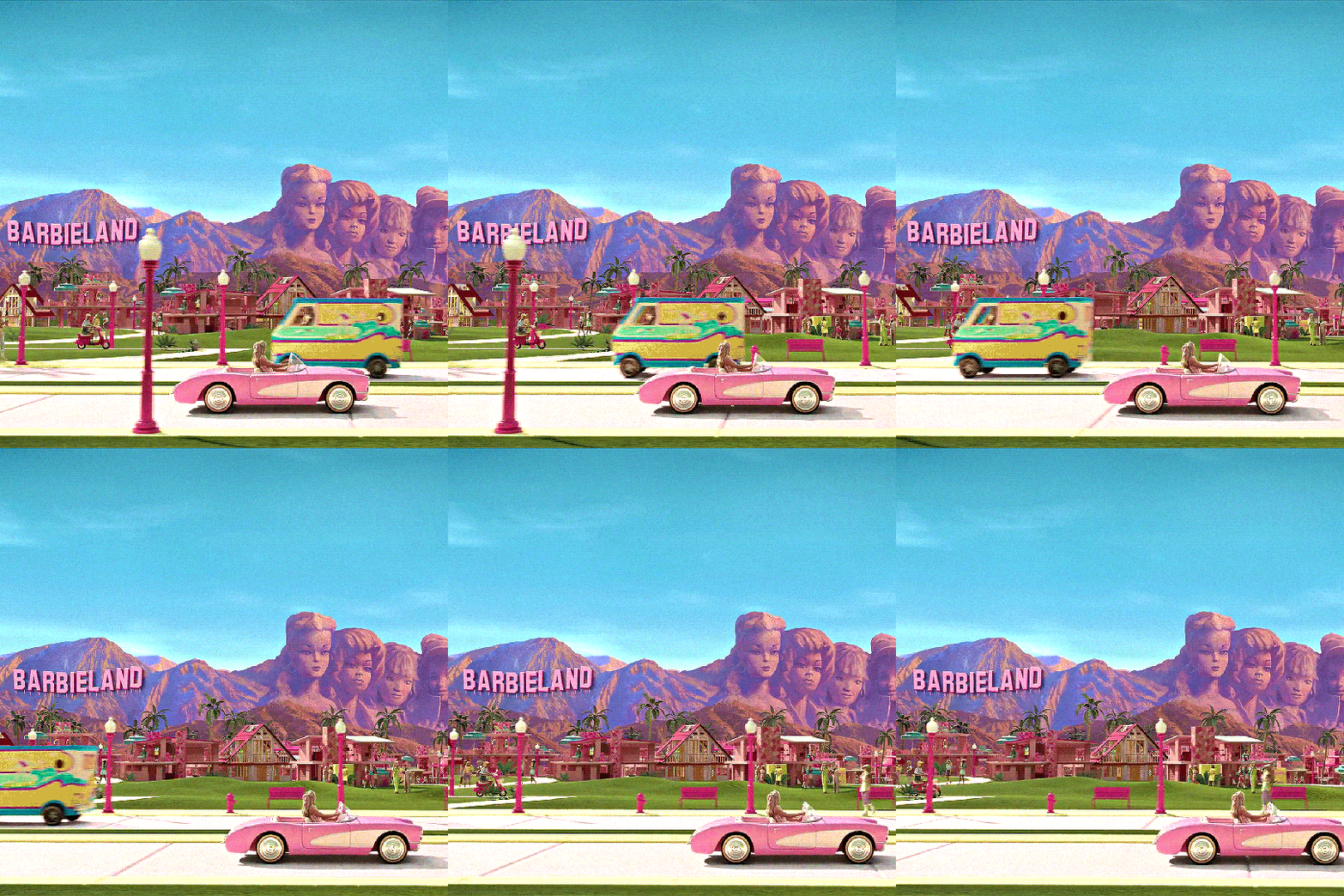
Visually, Barbie is an absolute triumph! Barbieland looks like a child's playroom exploded into a cinematic dreamscape! The sets are lively, tangible, and delightfully artificial. The dream houses have no walls in the best possible way. The costumes are stunning, playful, and deeply specific. Every outfit tells us something about the world, the joke, or the emotional state of the characters. The whole film looks like it was made by people who understood that this film deserved serious craftsmanship.
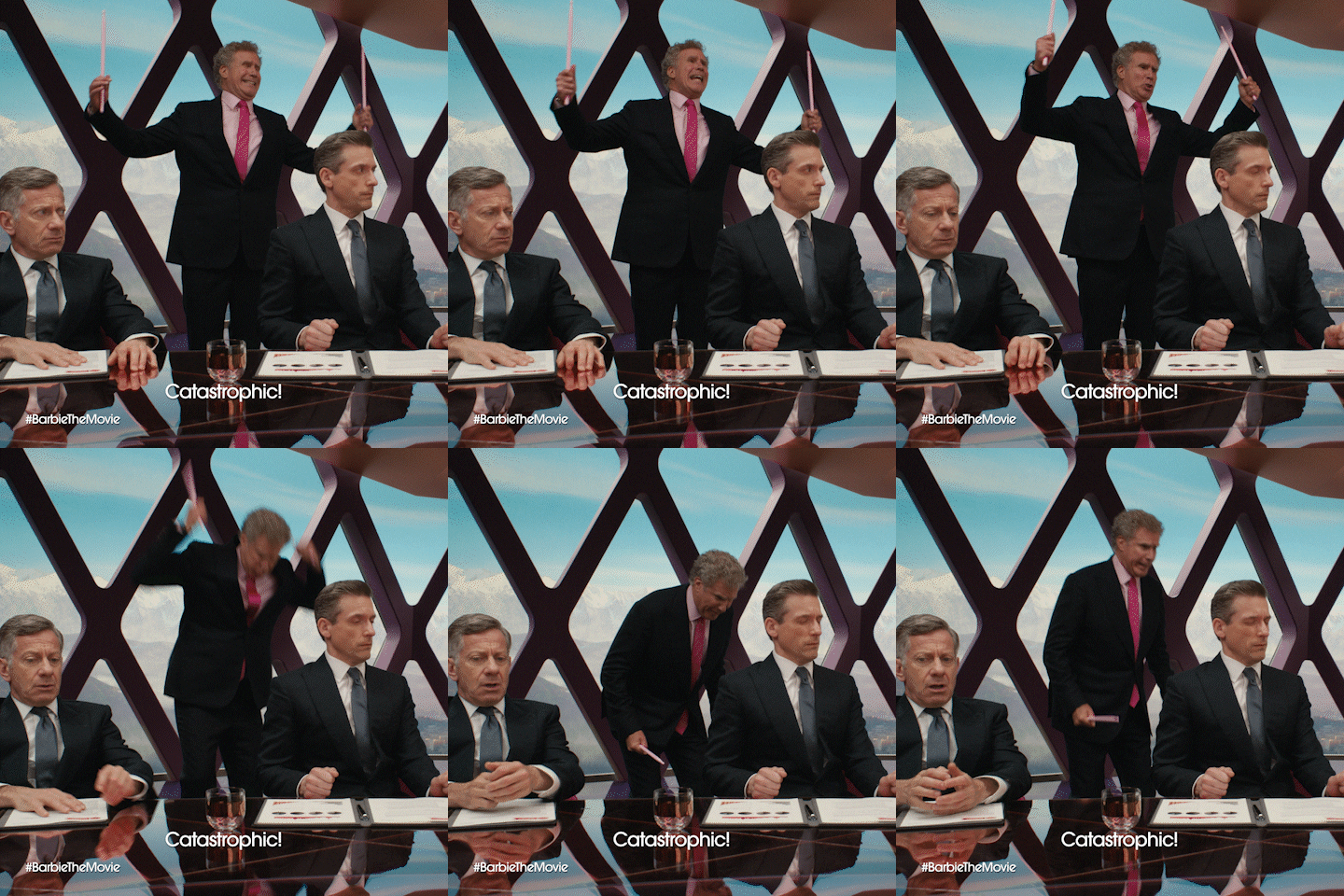
The performances are also fantastic! The diversity in all of the Barbies is so amazing to see! Margot Robbie is wonderful as Barbie, balancing comedy, innocence, confusion, heartbreak, and awakening with real tenderness. It would have been easy for Barbie to feel hollow, but Robbie gives her warmth and depth without losing the absurdity of the character. Ryan Gosling is phenomenal as Ken! “I’m just Ken” is absolutely hilarious and so real at the same time! He commits completely, and his performance is one of the funniest parts of the film! America Ferrera brings grounded emotional weight, especially as Gloria becomes the bridge between Barbieland's fantasy and the real world's exhaustion. Kate McKinnon is perfect as Weird Barbie, Will Ferrell is absolutely absurd and Michael Cera gives Allan just the right amount of awkward, quiet resistance. Truly, everyone understood the assignment!
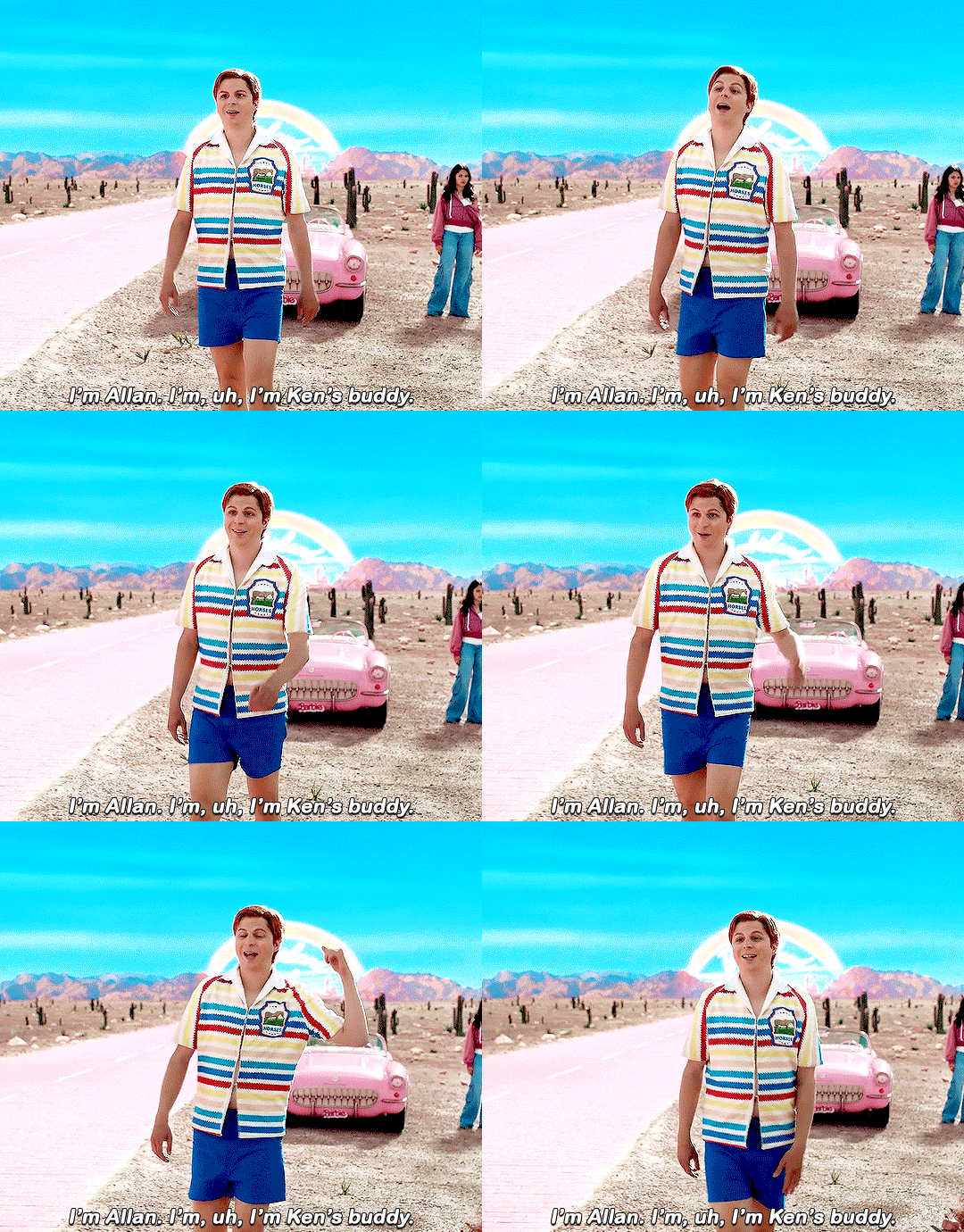
We potatoes have to expand further on Allan because we just loved him so much! Allan quietly steals nearly every scene he appears in! Existing just slightly outside everyone else's expectations, Allan becomes one of the funniest reminders that not everyone fits neatly into the roles society hands them. Michael Cera's wonderfully odd performance makes Allan both hilarious and endearing.
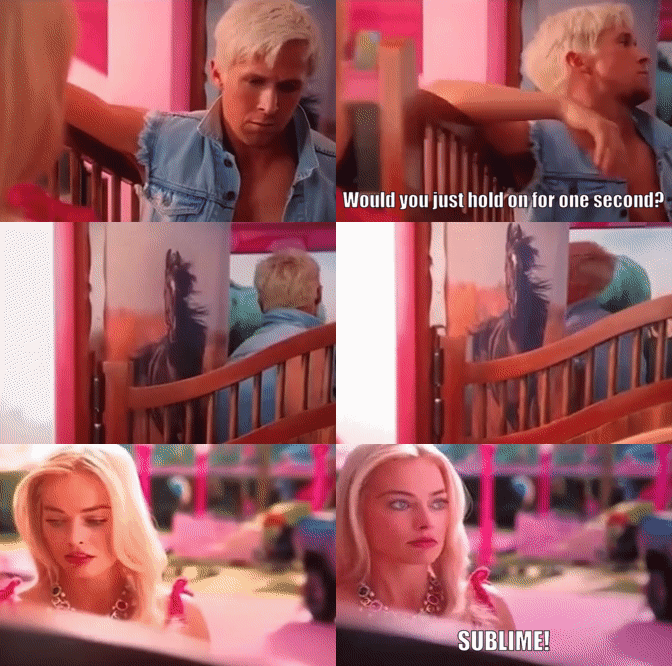
Lastly… the writing! SUBLIME! Barbie is juggling a lot. Comedy, satire, corporate critique, feminism, patriarchy, nostalgia, identity, motherhood, masculinity, existentialism, and jokes about discontinued dolls. That is a lot of ingredients for one film. Does every single piece blend perfectly? Not entirely. But the fact that it works as well as it does is genuinely impressive.
Now, is Barbie perfect? No. Some of the messaging can feel a little blunt at times. A few ideas could have been explored more deeply. The film critiques capitalism while also existing as part of a massive corporate brand, which creates a tension that cannot fully be ignored. There are moments where we potatoes wanted the film to push even harder, especially around capitalism, consumerism, and the limitations of empowerment when it is packaged and sold back to us.
But! We potatoes think that contradiction is a big part of what makes Barbie so fascinating.
This is a mainstream studio film based on a toy, and somehow it still managed to spark widespread conversations about patriarchy, identity, gender roles, feminism, masculinity, and the exhausting performance of conformity. That is no small thing! Is it radical in every possible way? No. But it asks meaningful questions while wearing hot pink, and we potatoes respect that.
More than anything, Barbie is a film about authenticity. It asks what happens when we stop performing the roles the world has written for us and begin asking who we actually are. That journey is often messy, uncomfortable, funny, heartbreaking, and profoundly human.
So, is Barbie a riot? Absolutely. Is it visually stunning? Without question. Is it deeper than many people gave it credit for? Very much so. We potatoes love this film and highly recommend it!
It is bright, playful, weird, emotional, frustrating, thoughtful, and surprisingly profound. Beneath all the glitter is a remarkably honest story about identity, belonging, the roles we inherit, the systems we survive, and the courage to become yourself in a world that is constantly trying to tell you who you should be.
Cheers to Barbie! Cheers to Gloria! Cheers to Allan for quietly refusing the nonsense! Cheers to Ken finding out that he is Kenough! Cheers to Weird Barbie and all the weird Barbies out there! Cheers to Pride! Cheers to beach! Cheers to dismantling patriarchy in all its destructive, grotesque, insidious, and exhausting forms! And most importantly, cheers to you!
In a world that wants us lost, scared, disconnected, and performing, may we all find the courage to be our authentic selves and to reject the performance.
We are all Kenough!
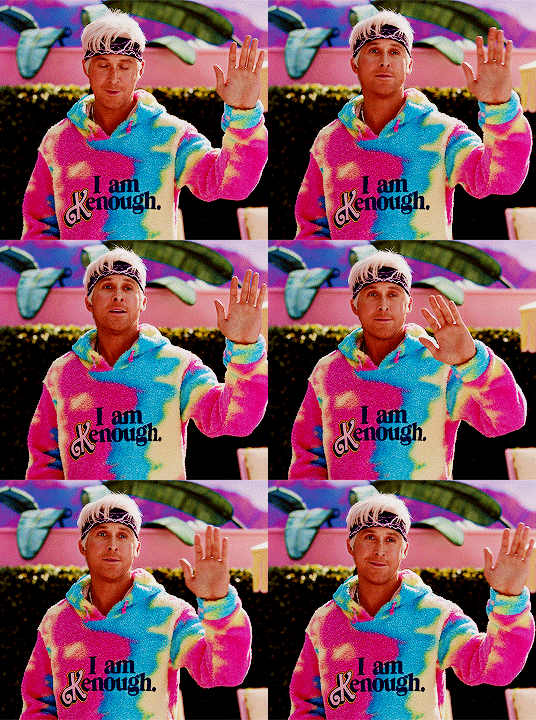
We give this movie 5 out of 5 Barbie shots!

The Barbie Movie Drinking Game
Take a sip anytime:
1. Anyone says “Barbieland”
2. Anyone says “Ken”
3. Anyone says “Patriarchy”
4. Anyone says “Mattel” or the Mattel logo is on screen
5. Anyone says “Weird Barbie”
6. Ken/Kens says “Beach”
7. Anytime Barbie pretends to do something
8. Barbie has an existential thought or crisis
9. There's a costume change
10. There's dancing/fighting on screen
We do not usually do this but…
SMASHED MODE – Anyone says “Barbie”
(Please note that we potatoes DO NOT recommend this one… it is far too intense and we learned that the hard way.)
What do you think? Do you like the movie? Do you hate it? What movies should we watch? Do you like this drinking game? Are there rules missing? Is the game too intense? Are there movies that you think we should make a drinking game for? Let us know here in the comments and always remember to be safe and drink responsibly! (Drinks can be water, soda, anything nonalcoholic, etc. Please be safe, have fun and take care of you!