Hoppers Review (2026) – A Delightfully Weird, Big-Hearted Adventure about Animals, Empathy, and Finding Our Place in Something Bigger!
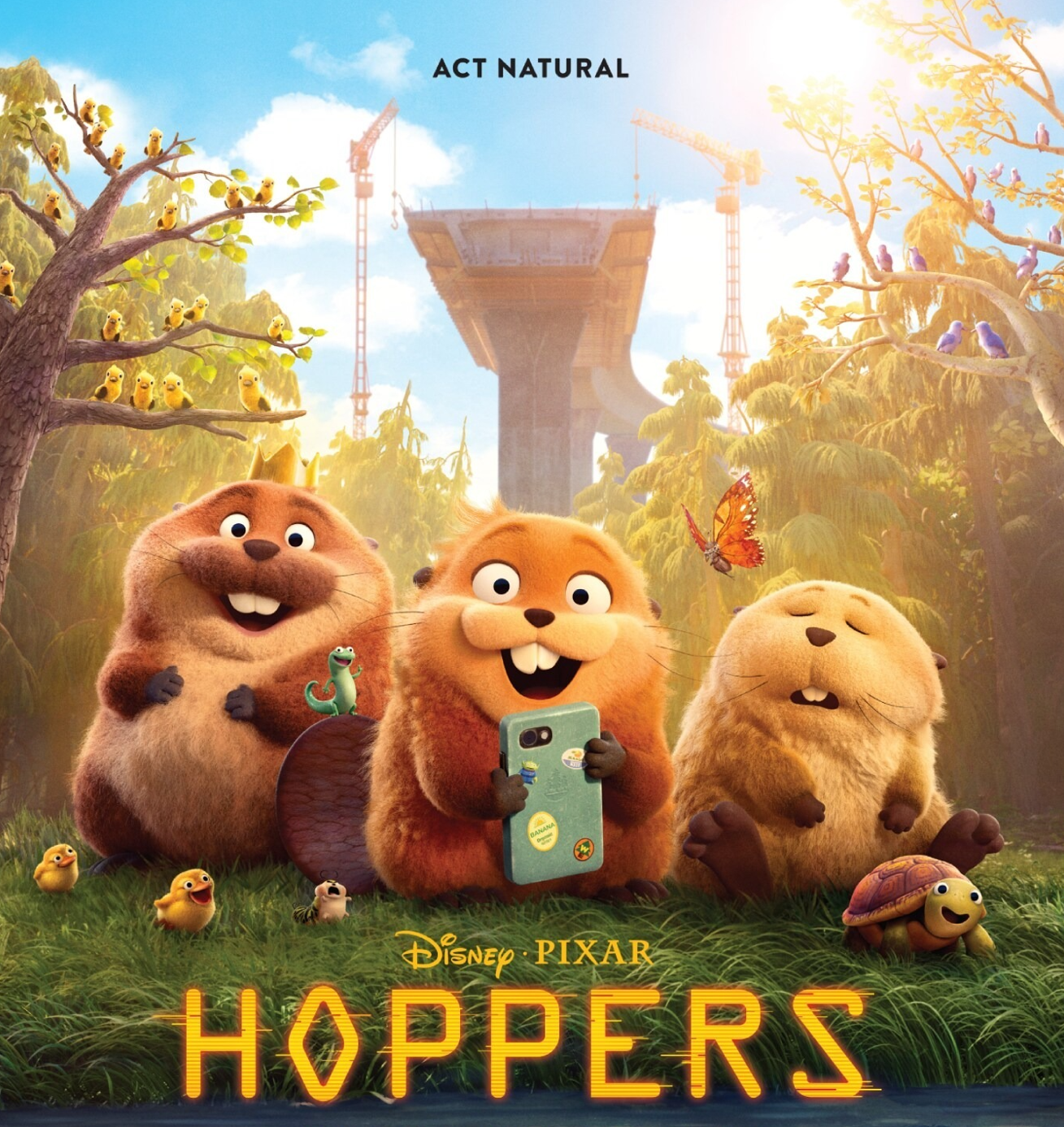
It is Animated August! Summer is still here, the sun is still blazing, and we potatoes are officially counting down the days until crisp leaves, cool evenings, cozy sweaters, spooky movies, and warm fires! We can practically smell fall from here!
But alas… it is still August. So, while we impatiently wait for our beloved autumn to arrive, for Hobbit Day and the start of our holiday season… why not have a little fun and hop into something colorful, chaotic, heartfelt, and completely ridiculous?
Enter Hoppers! Hoppers is colorful, hilarious, heartfelt, and wonderfully weird in exactly the way we potatoes hope for when Pixar decides to get a little strange! There are adorable animals, questionable scientific decisions, woodland chaos, and far more going on beneath all the silliness than we initially expected.
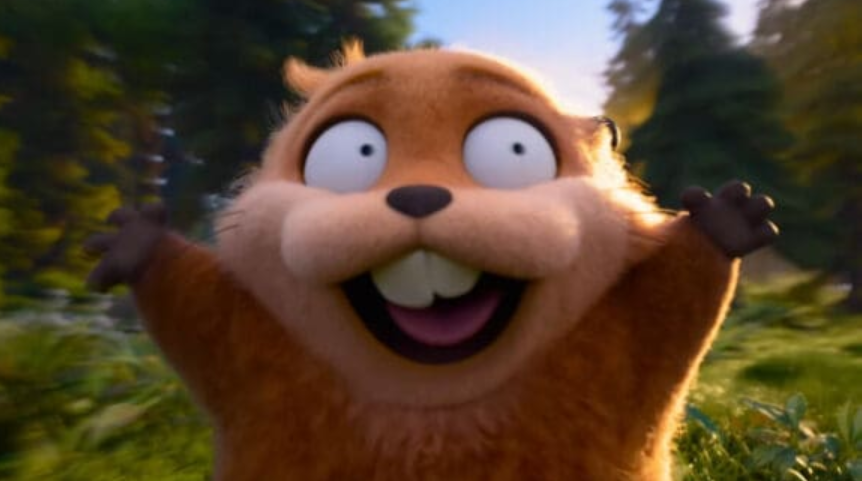
We potatoes had a lot of fun with this one!
Before we begin, a gentle note. Hoppers explores grief, environmental destruction, habitat loss, animal death, predation, anger, fear, and threats to animals and the natural world. Most of these subjects are handled with humor and warmth, but there are a few moments that may be upsetting for younger or sensitive viewers. Please take care of yourselves while watching and while reading.
As always, we will do our best to avoid major spoilers, but some elements of the film will absolutely be discussed.
Let’s hop in!
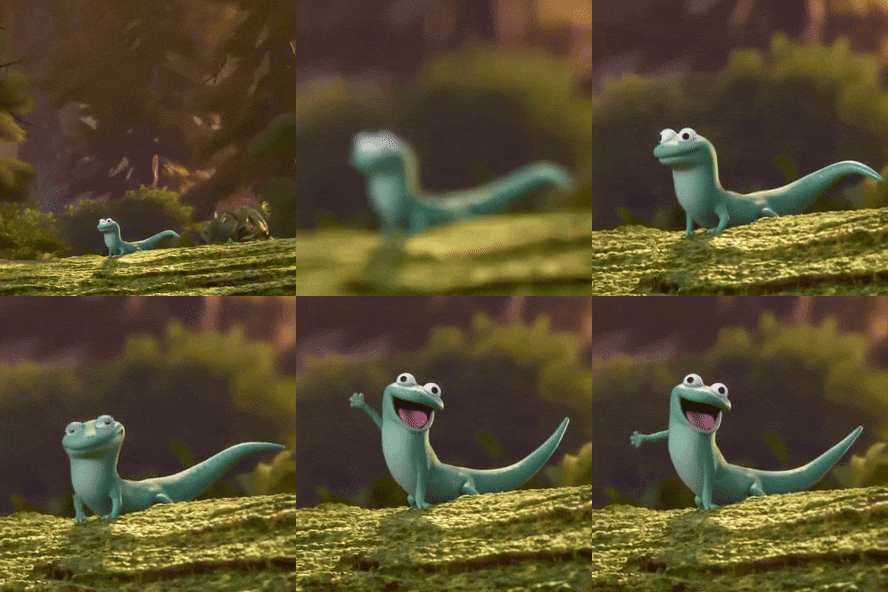
We begin with a small tortoise in his terrarium. He is a school pet. He is an adorable little guy, and the kids in his classroom… do not know how to handle him well or treat him properly. We potatoes will admit that we were wondering where the hell the teacher was… while these kids were harassing this poor tortoise.
The kids rush out for recess, and we see a young Mabel Tanaka, an intense little animal lover who is deeply distressed by seeing creatures treated poorly, kept in cages and tanks. Mabel does not simply like animals. She loves them. She desperately wants to protect them, rescue them, and apparently personally correct every injustice humans have ever committed against the natural world.
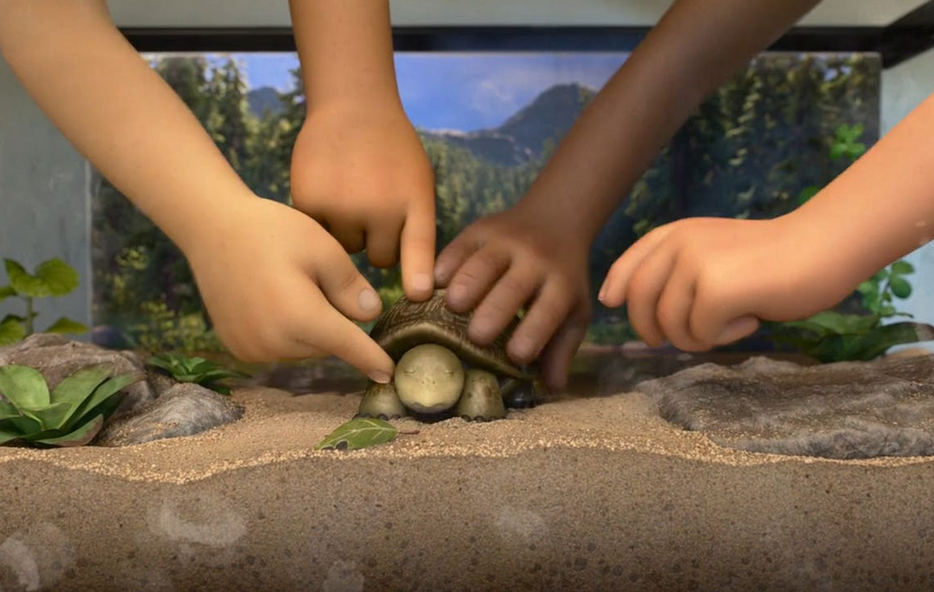
She waits for the class to clear out, creeps up to the terrarium, “Shh. I’m Mabel, and I’m gonna get you out of here.”
Tucking the tortoise gently into her backpack, she makes her way to the exit… only to realize that there are many classroom pets that need her help!
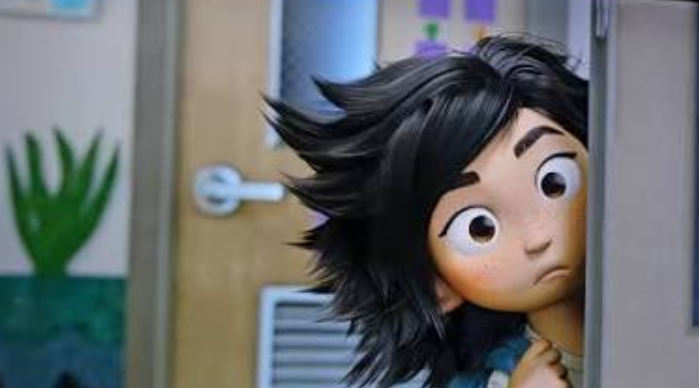
Stopping in each classroom, she tucks every classroom pet she finds into her backpack. Unfortunately, her backpack is a bit too small for all of these animals. The backpack is visibly moving, and bulging with their little bodies inside it.
The school janitor notices her, “Hey, you. What’s in that bag?”
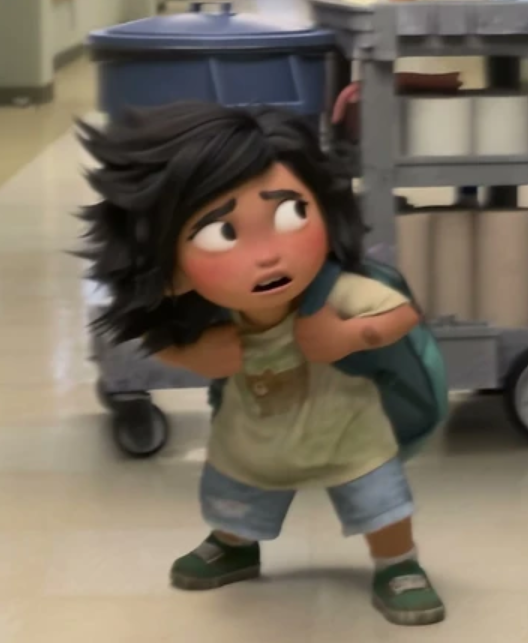
Determined, Mabel starts running to the exit… only to find it blocked by adults! Teachers and administration for the school. “Uh, Mabel, what you doing?”
“Is that THE Mabel?” – This line struck us potatoes hard… that tone of voice, that inflection… like there is something so very wrong with you. We are familiar with that. Fuck that lady Mabel, you’re awesome, and you got this!
Mabel will not be deterred! She sees the EXIT sign, and makes a bold run for it! Go Mabel!
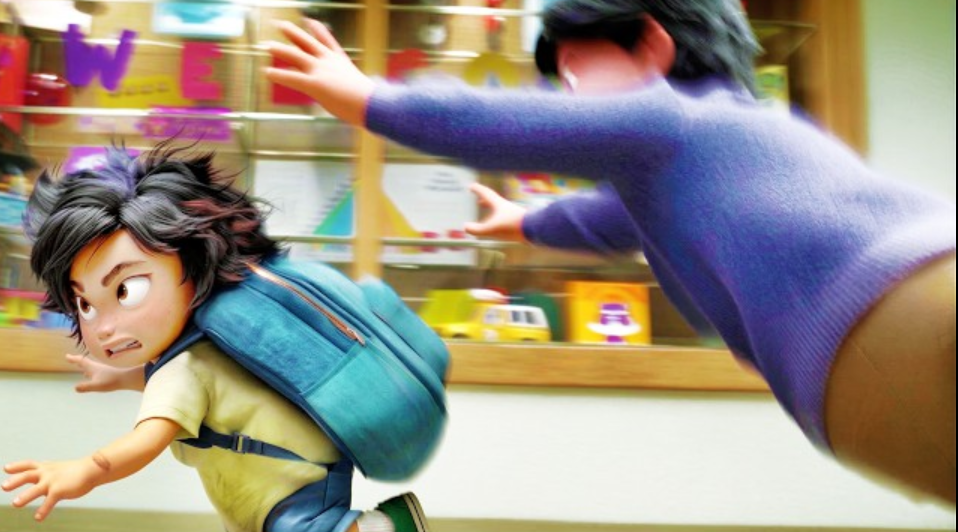
Well, predictably it does not go to plan. She gets caught, the animals get taken back to their cages, and Mabel is getting yelled at by her parents.
To be fair… she did bite one of the teachers trying to escape… which is not great. But! We potatoes would argue that if they had simply let her go… well no one would have been bitten! Just saying!
We potatoes found Mabel’s character very relatable. We were incredibly similar as children. Deeply sensitive, highly empathetic, odd, and big animal lovers. We see you Mabel, and we get it.
Mabel is then dropped off at her grandmother’s house. Her mom has to get back to work, and Mabel needs a safe place to be in the meantime.
Mabel's beloved Grandma Tanaka (Karen Huie) understands her granddaughter's enormous heart, but she also recognizes something else. Mabel is angry. Very angry. But, beneath that anger is a child who feels powerless in the face of suffering she cannot fix. Feels powerless in her own life.
“So, what they book you for this time?”
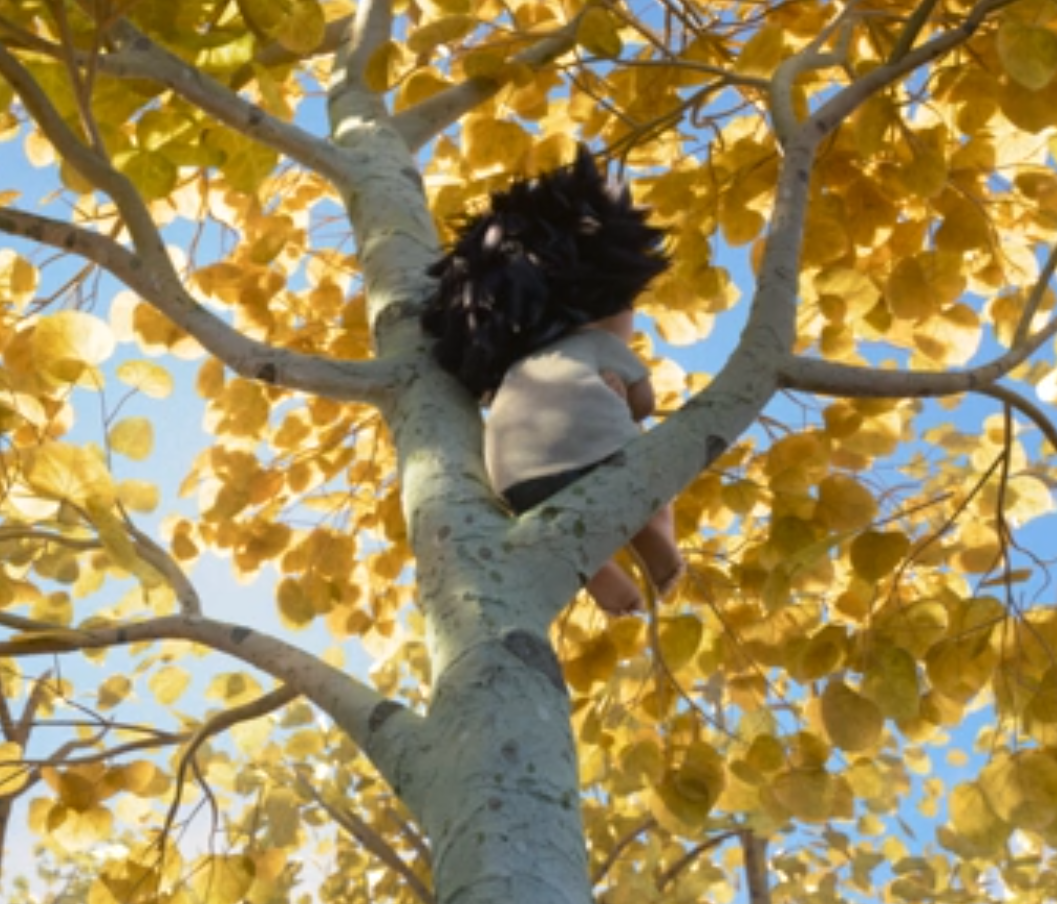
Mabel sniffles in a tree, ignoring her grandma.
“All right, you leave me no choice. Come on.”
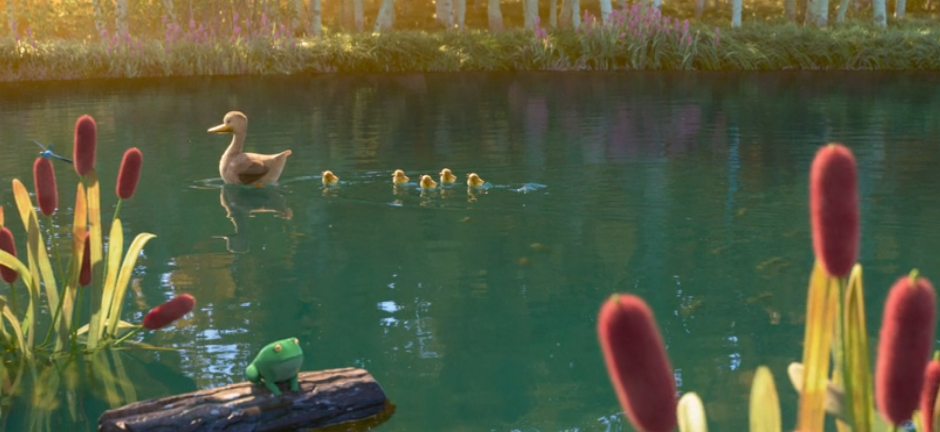
Her grandmother leads her to a gorgeous and peaceful glade filled with wildlife and teaches her to be still. To watch. To listen. To recognize that she is not standing outside of nature looking in.
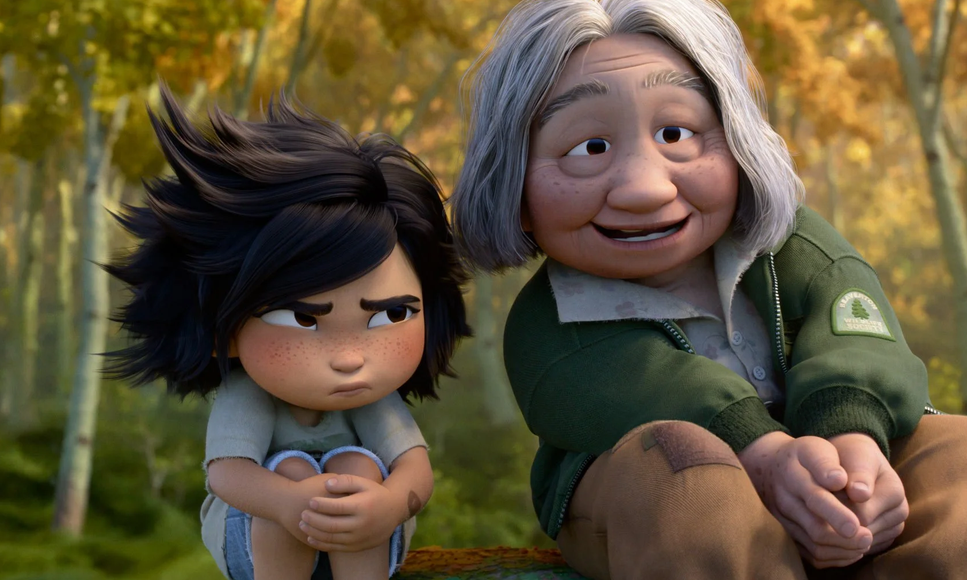
“That’s what nature does. It’s hard to be mad when you feel like you’re part of something big.”
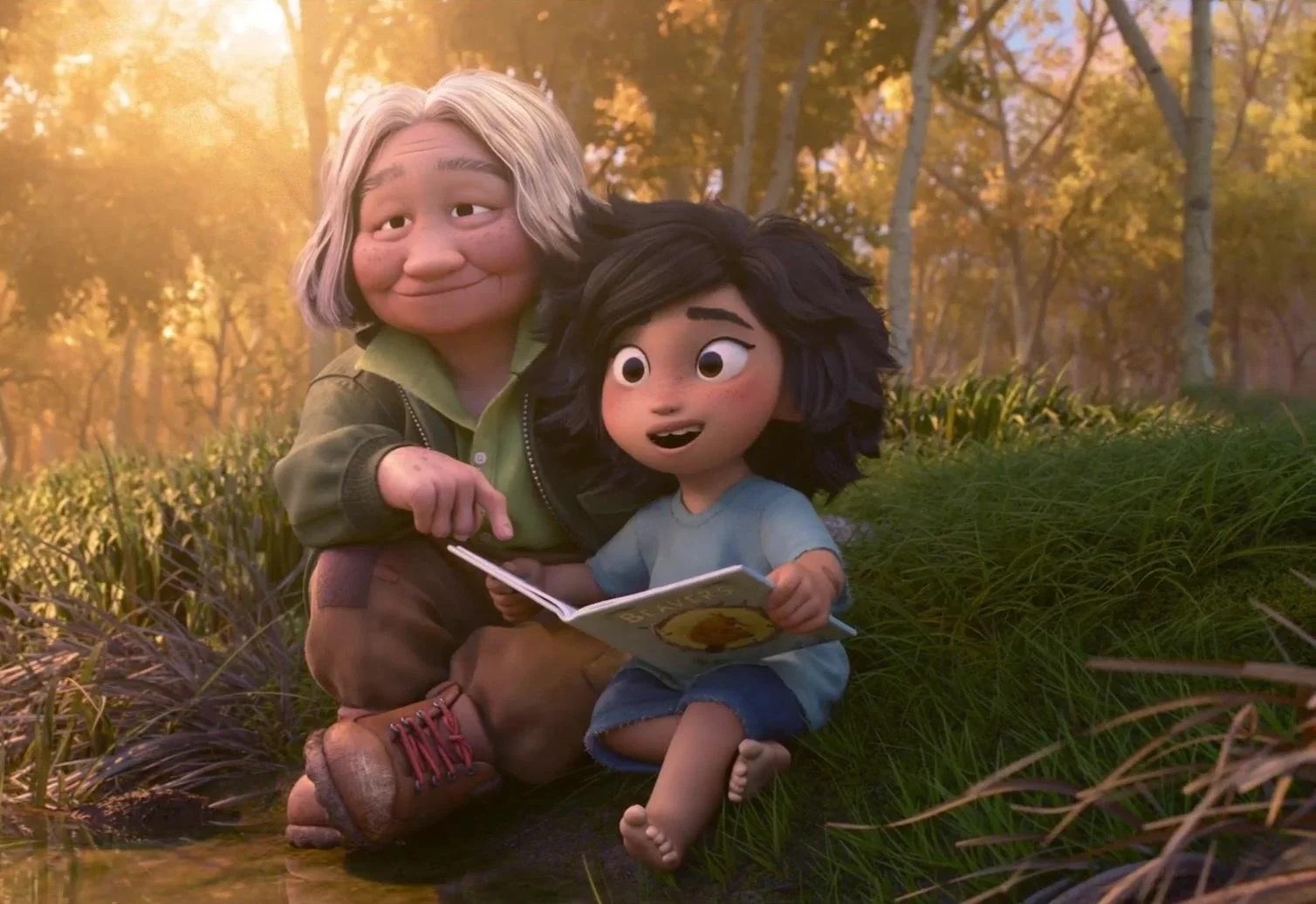
She is part of it. It is a beautiful idea, and one that quietly becomes the foundation of the entire film.
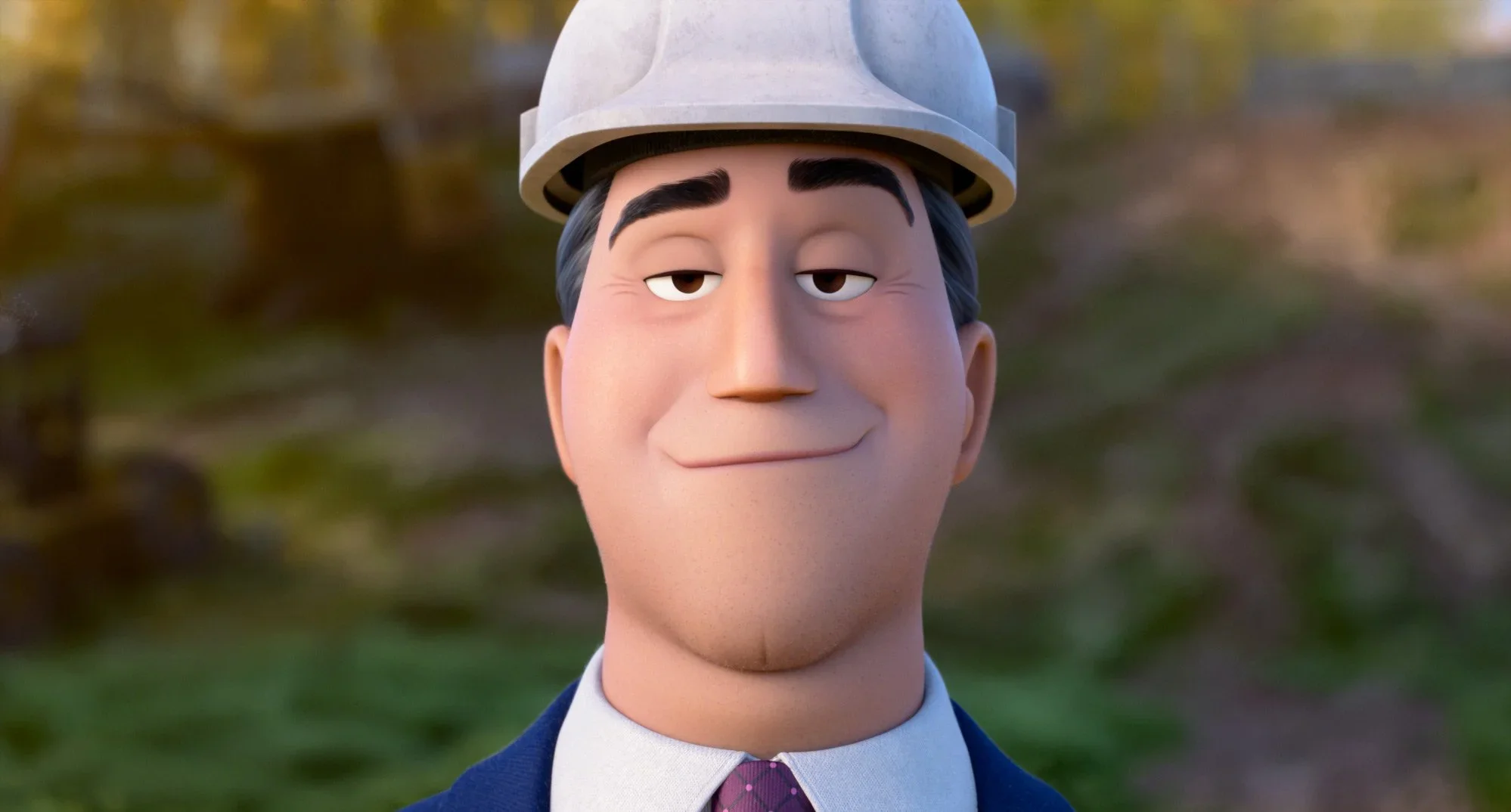
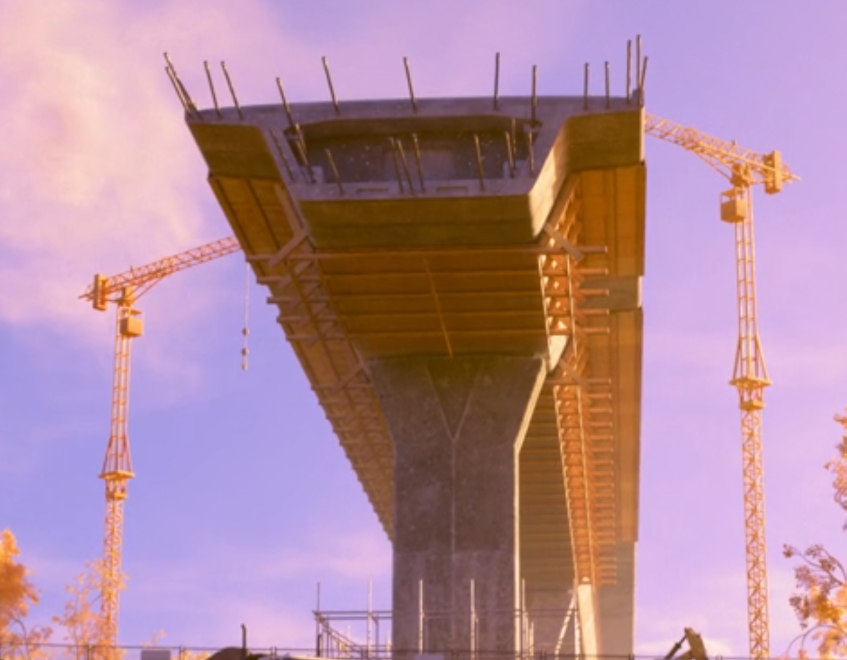
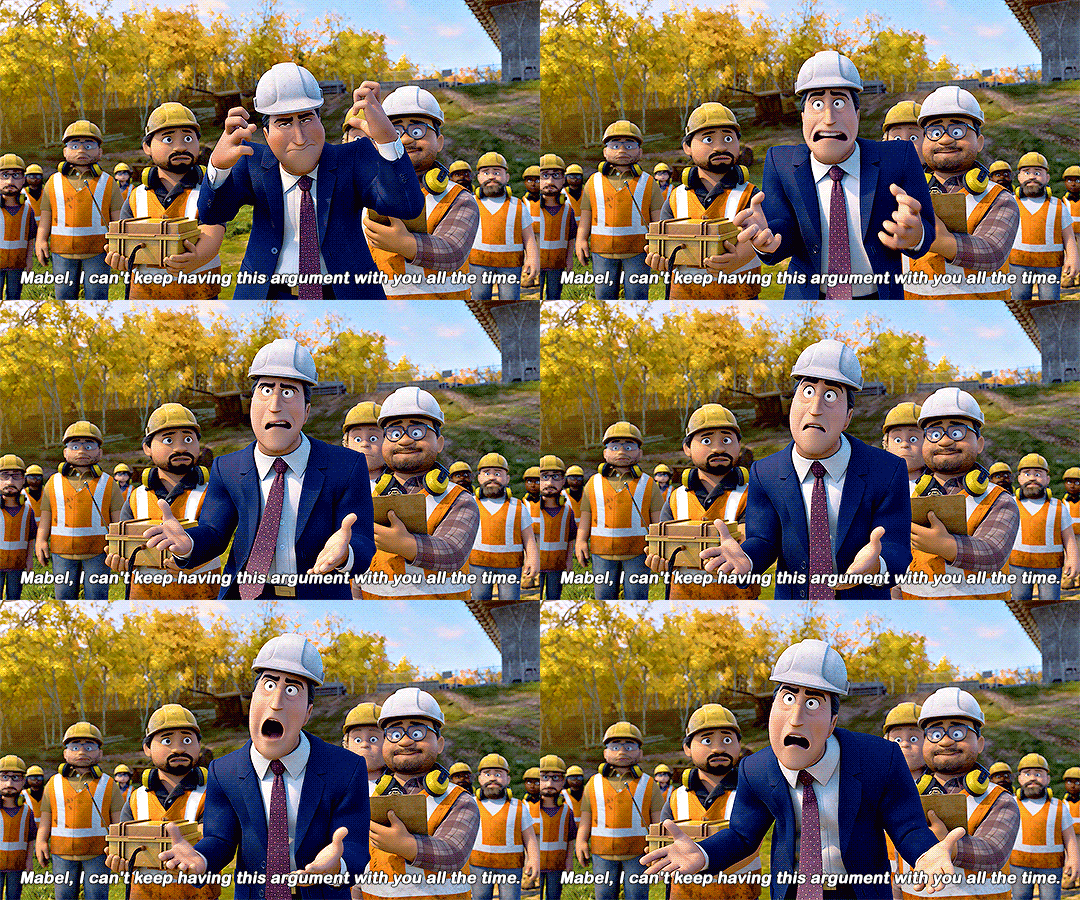
Years later, Mabel (Piper Curda) is nineteen, still fiercely devoted to animals, and still carrying that enormous heart around with her. Grandma Tanaka has passed away… and unfortunately, the beautiful glade she grew up loving is now threatened by Mayor Jerry Generazzo (Jon Hamm), who plans to build a highway directly through it!
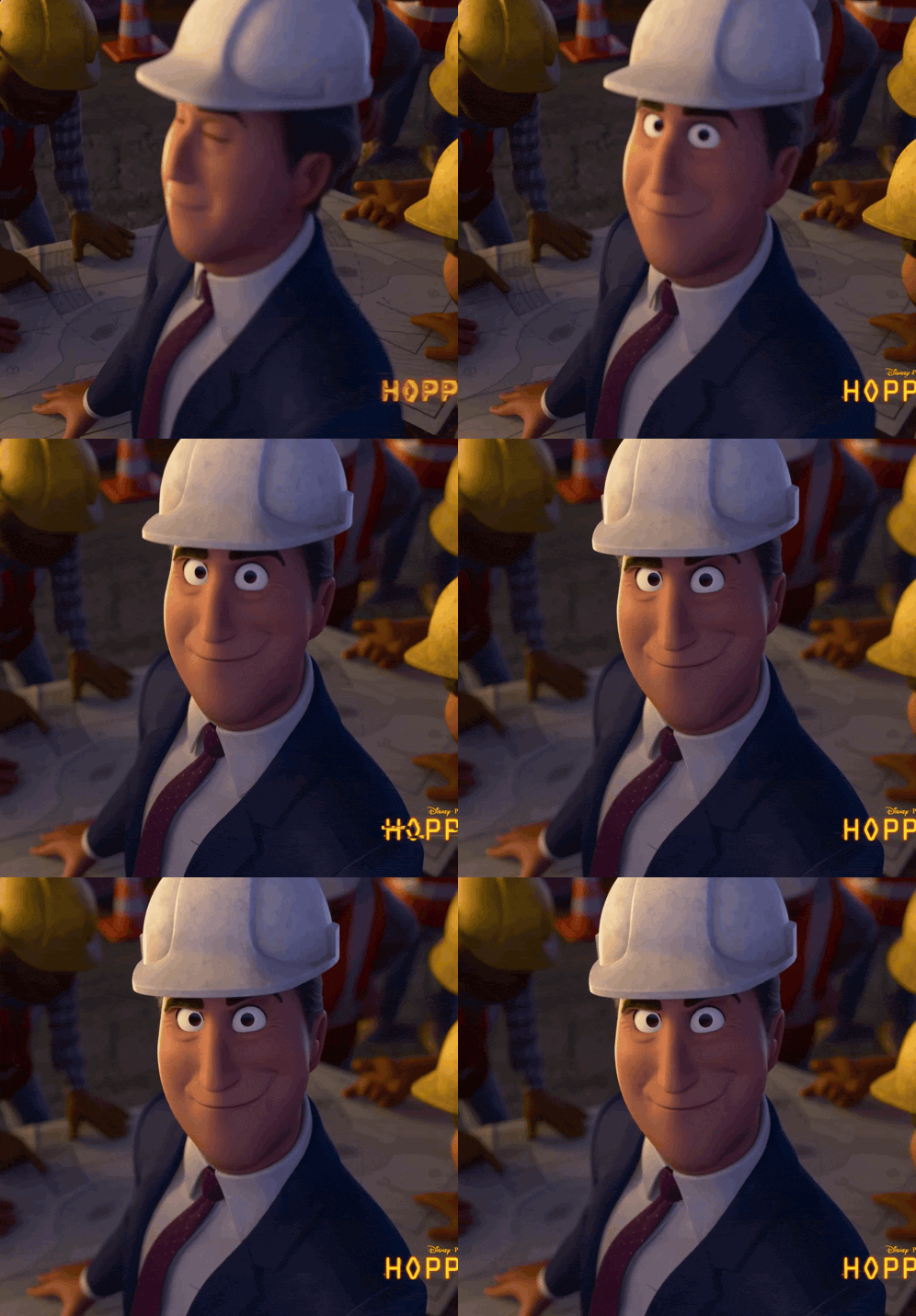
Because apparently greedy and “powerful” men look at forests, wetlands, wildlife habitats, and ecosystems and collectively decide what we really need is more asphalt, minerals, oil, etc. Drill, baby, drill. Gross. Sigh.
Mabel is furious and desperate to save the glade! After an encounter with Jerry at the glade, Mabel rushes to her college and interrupts Dr. Sam’s class. “Doc! I need your help!”
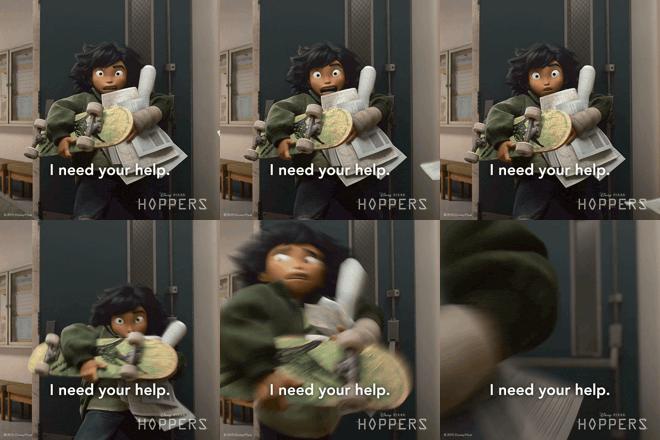
Dr. Sam (Kathy Najimy) is reasonably flustered, and tries to calm and redirect Mabel away from the glade. Mabel is unwavering. She will not be swayed, and she is saving the glade!
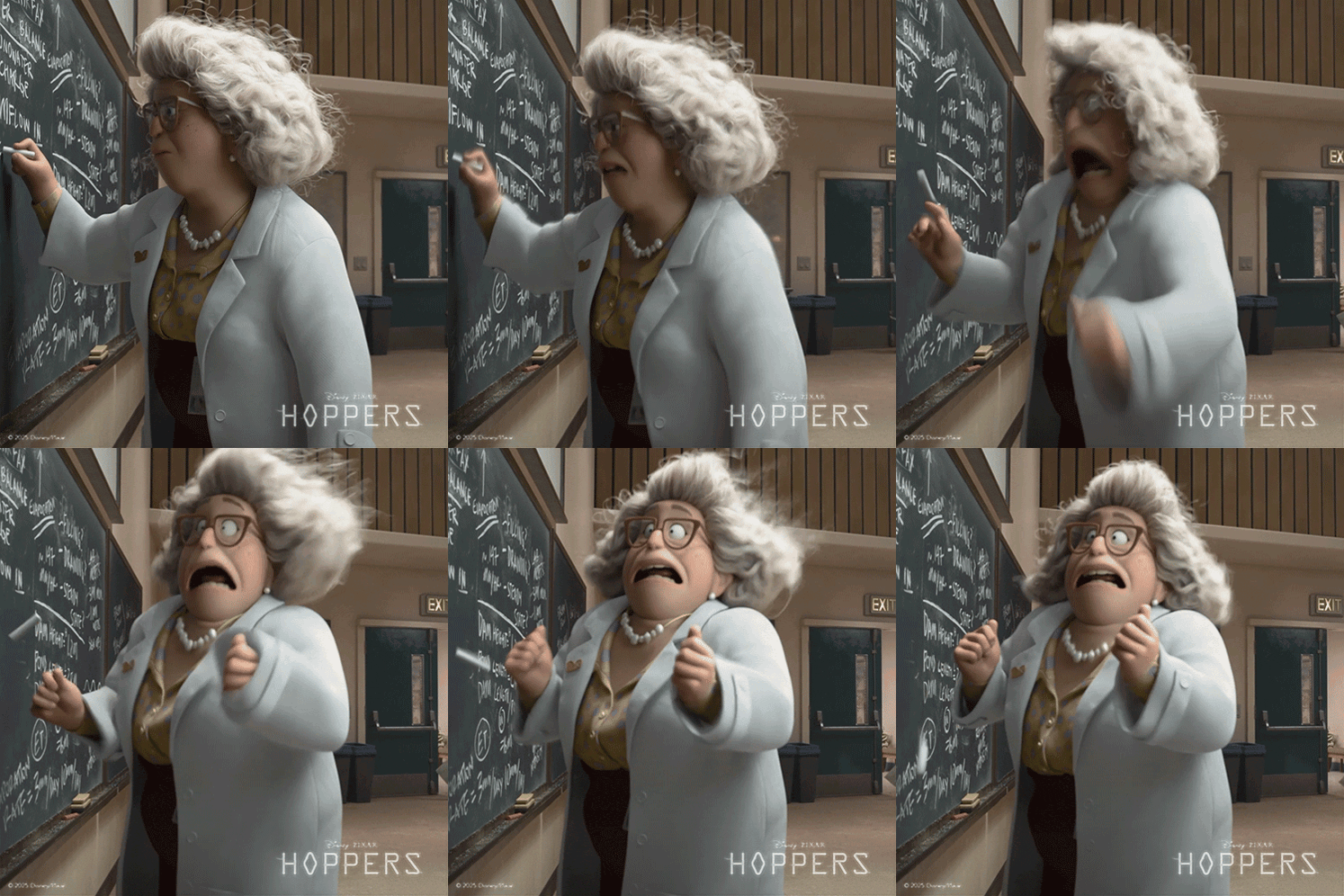
“Mabel, you can’t save that place. Only a beaver can.”
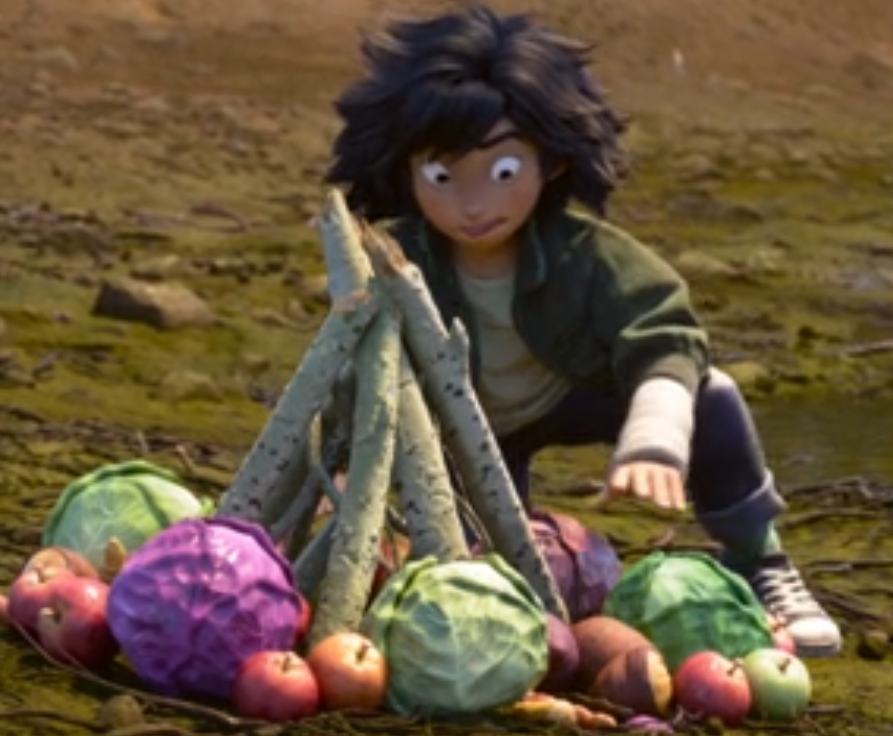
Mabel takes this and RUNS with it! If she can somehow convince a beaver to come back to the glade, then the ecosystem can be restored, and the glade can be saved! Except… that it is not so easy to lure a beaver. Mabel gives it her best shot, and no beavers appear… at least at first.
She stays at the glade late into the night and what comes rustling out of the woods? A beaver! Or something that looks like a beaver anyway… the beaver is not interested in her lure. The beaver walks off and hops into… a waiting van??
Confused and worried Mabel follows, which leads her into a very strange situation… and possible solution! Dr. Sam has developed technology that allows human consciousness to be transferred into robotic animal bodies.
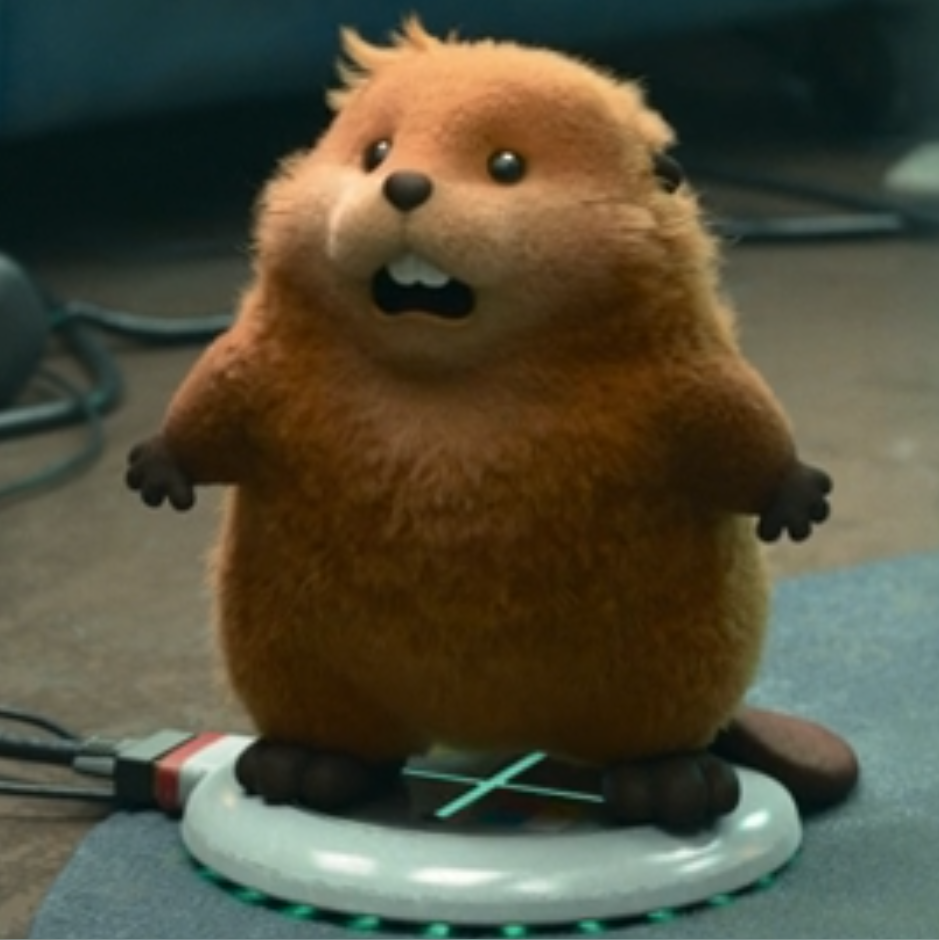
The “beaver” that she followed was not a real beaver at all! But Dr. Sam’s consciousness inside a robotic beaver body! Yes. Obviously we potatoes immediately had questions. Many questions. Possibly too many questions!
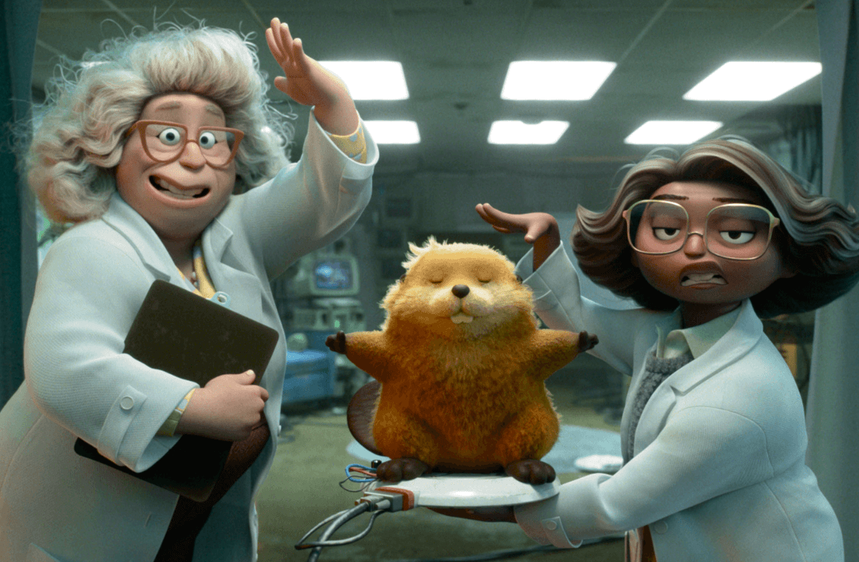
But Hoppers wisely does not spend the entire movie burying us beneath explanations about neuroscience and consciousness transfer. The technology (in this universe) exists, Mabel sees the opportunity presented to her, and gets herself inside the robotic beaver body, despite Dr. Sam’s protests! And before long, she is waddling directly into an animal society she has spent her entire life wishing she could understand.
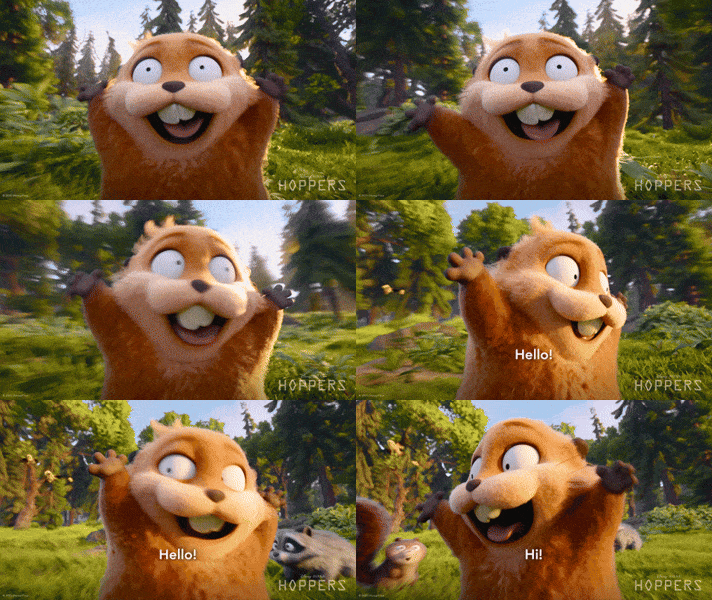
And this is where Hoppers becomes wonderfully weird! Mabel discovers that animals can communicate. Not only that, they have communities, politics, social structures, traditions, disagreements, rules, alliances, and an astonishingly casual relationship with the fact that some of them may eventually eat one another! But it makes sense! This is what is normal to them, it’s just the circle of life.
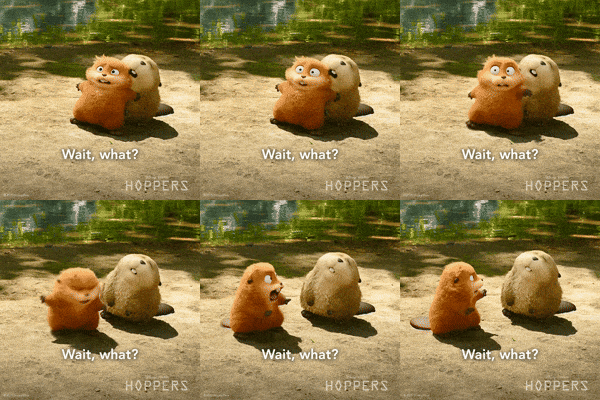
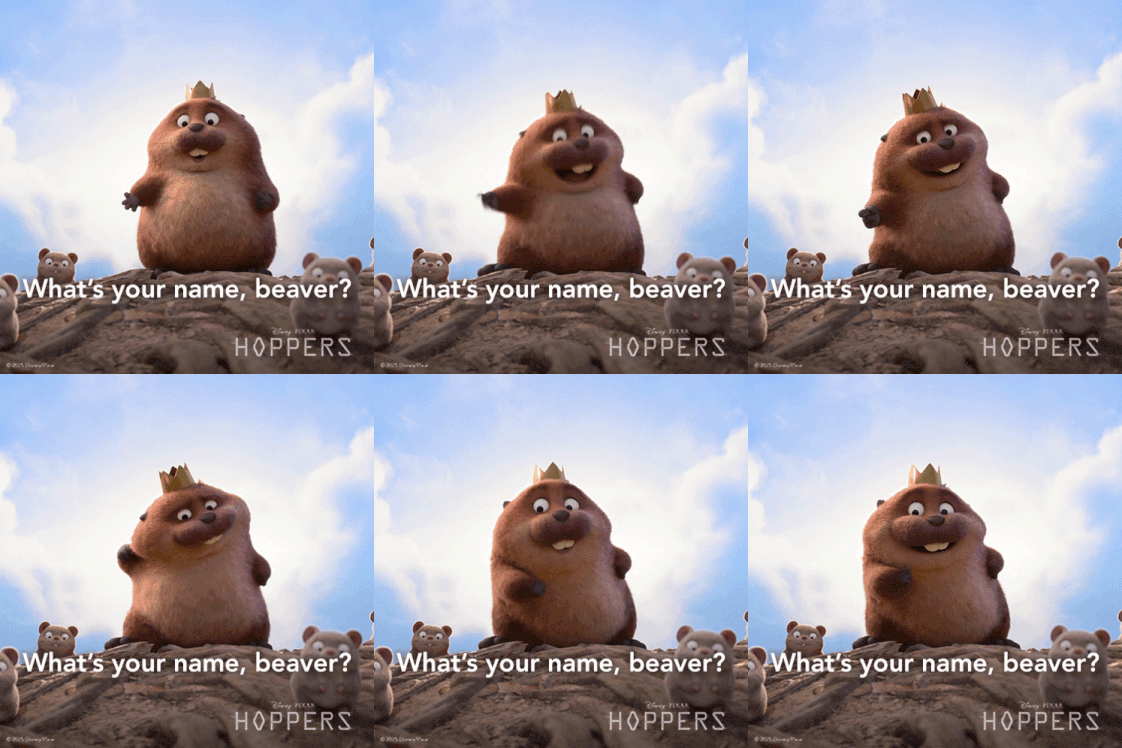
Mabel soon meets King George (Bobby Moynihan), the cheerful, wonderfully strange beaver leader of the mammals and one of our favorite characters in the entire film! George believes deeply in his Pond Rules. Don’t be a stranger. When you got to eat, eat. We’re all in this together. Remember that everyone belongs to something larger than themselves.
What initially seems like a simple setup for animal chaos gradually becomes something much more interesting. Mabel has spent her life loving animals, but loving something is not the same thing as understanding it. She enters their world assuming that because she wants to protect them, she knows what is best for them.
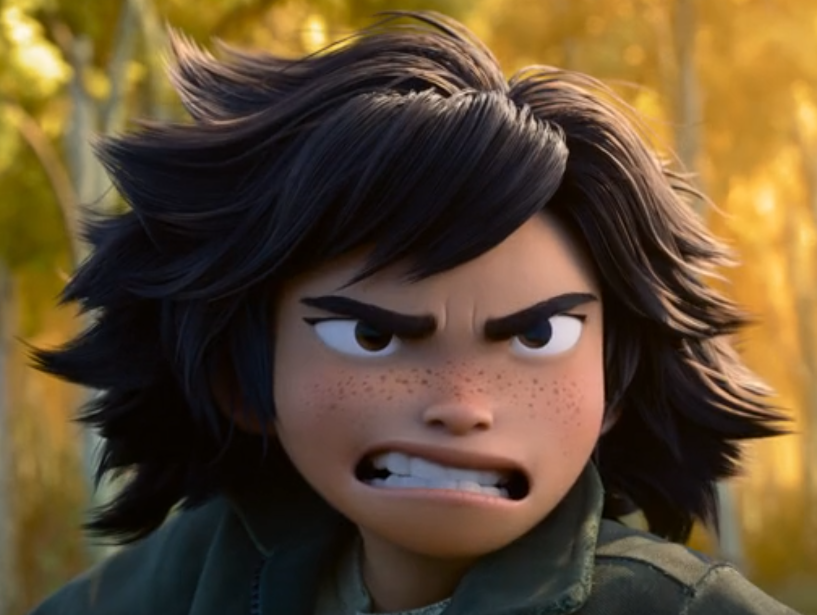
Turns out… not exactly! And we potatoes really appreciated that distinction.
Mabel's compassion is genuine. Her anger is understandable. The destruction of habitats for human convenience is real, infuriating, and devastating. But Hoppers is not interested in telling us that caring deeply automatically makes someone right about everything.
We potatoes deeply relate to this. You can love something or someone dearly and still misunderstand what they need. Love does not automatically equal respect, or understanding, and unfortunately Mabel has to learn that loving animals, understanding them, and respecting their autonomy are not always the same thing.
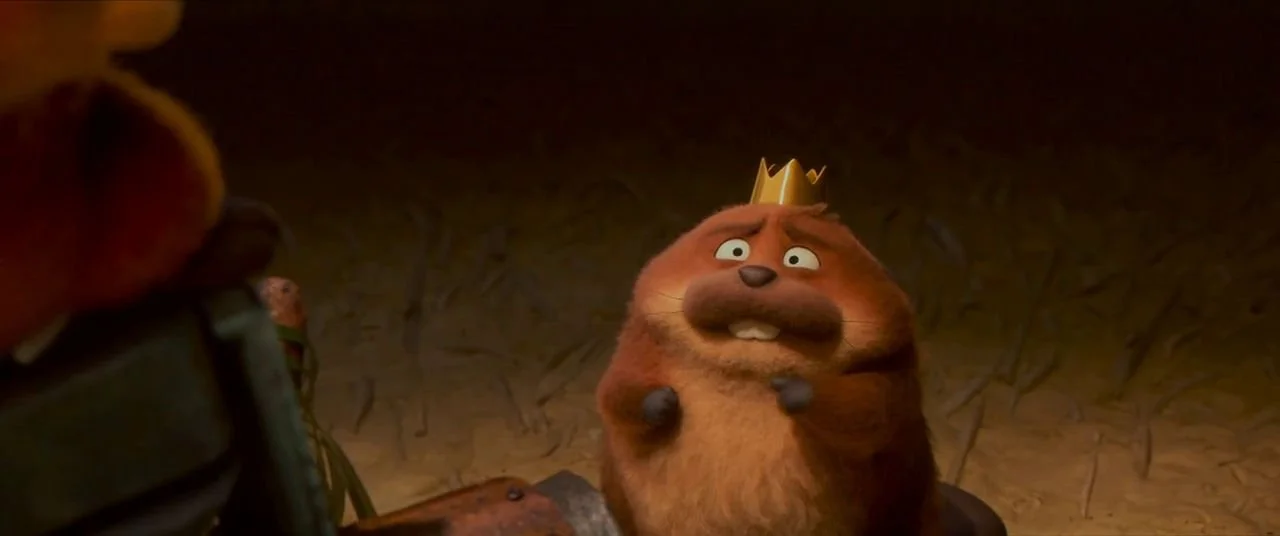
Sometimes caring requires listening. Sometimes helping requires understanding what someone actually needs, and asking when we do not know, rather than deciding for them. More often than not, we as people do not know what is best for others. Often, we do not even know what is best for ourselves, much less someone else! We potatoes have experienced this from others, and we have made this mistake ourselves. But we also know from experience that it is possible to learn, grow, and find a kinder, gentler, more respectful way of loving and caring for others.
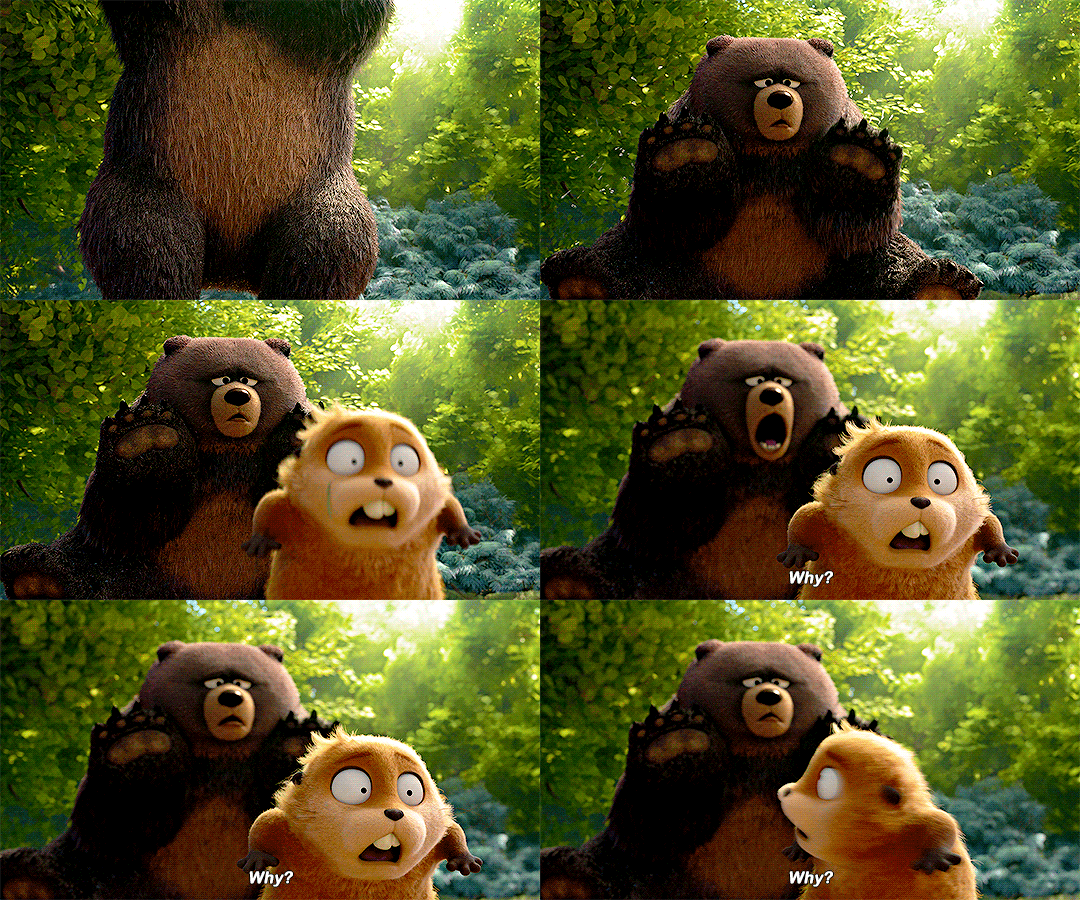
Wrapping up from here! As Mabel becomes more entangled in the animal world, her mission to save the glade grows considerably more complicated. What initially seems like a straightforward battle between animals and destructive humans becomes something more interesting: a story about what it actually means to care for a world we are part of, but cannot control.
This is where we potatoes think Hoppers finds its heart. Mabel is angry for good reasons. She sees people making destructive decisions that will permanently alter an ecosystem and understandably thinks, “Absolutely fucking not.”
We get it. But anger can become its own kind of tunnel vision. As Mabel's grandmother understood long before she did, anger can alert us to injustice and propel us toward action, but it cannot always tell us what to do next. Sometimes we have to stop. Watch and listen.
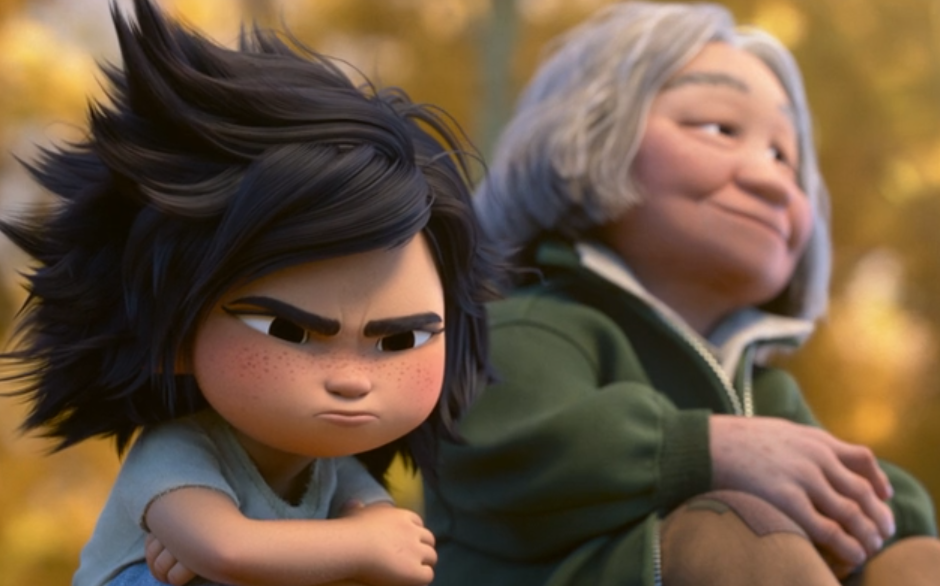
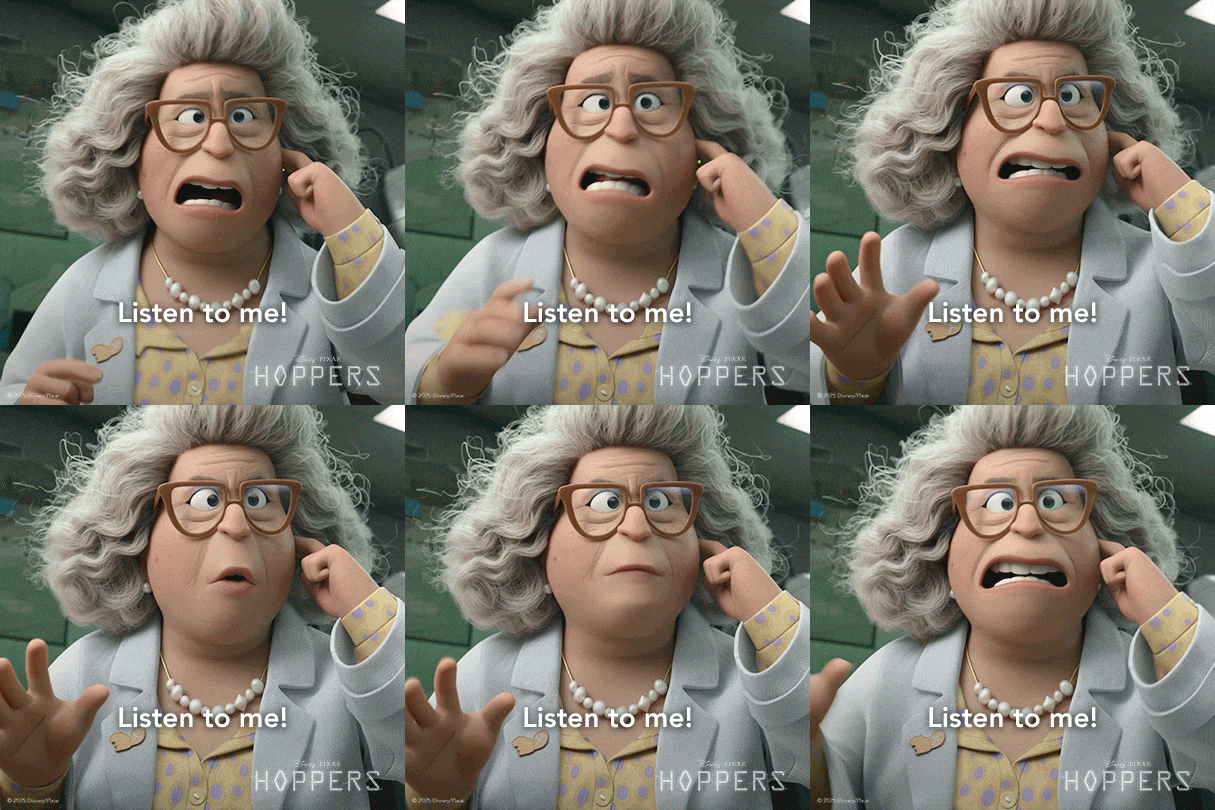
And listening becomes particularly important for Mabel. She has spent her life wanting to speak for animals who cannot speak to humans. Then, for the first time, she can actually hear them… and they do not always say what she expects! Animals are not helpless little woodland innocents waiting for a human savior. They have their own needs, relationships, instincts, and ways of living, whether Mabel understands them or not.
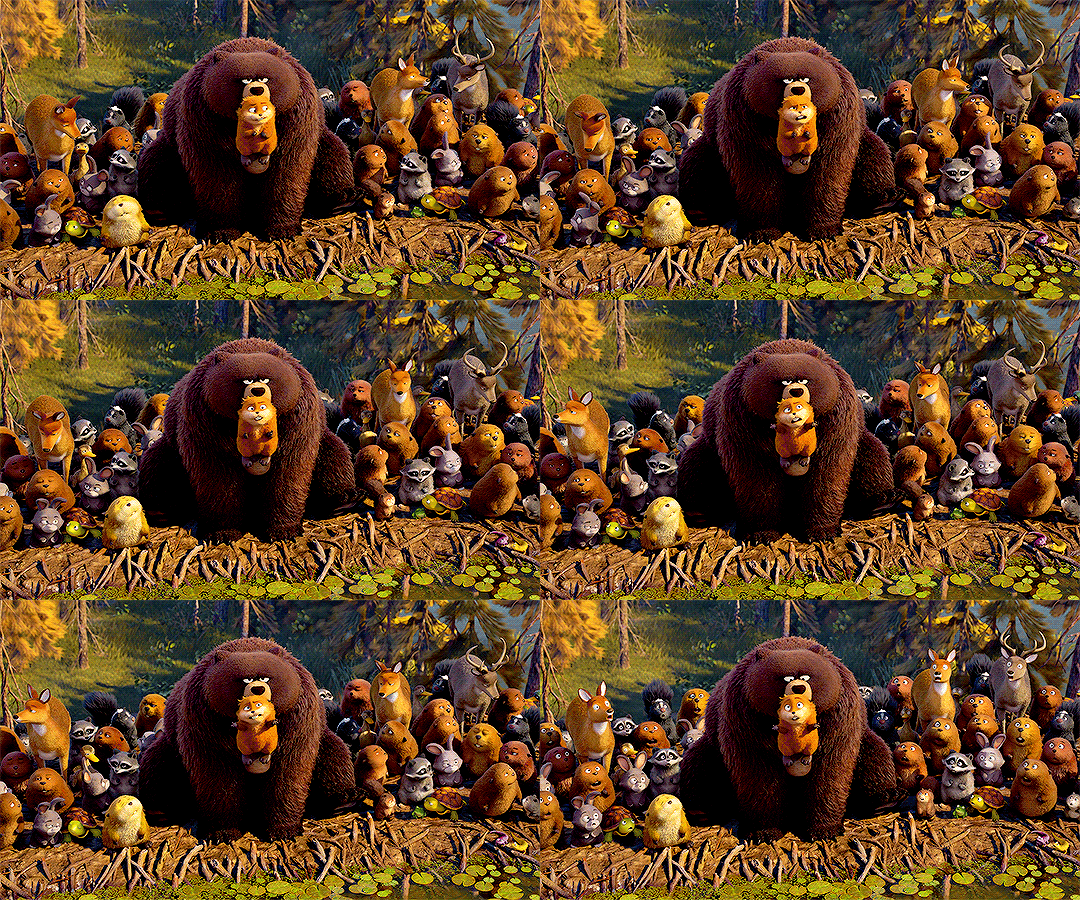
For an animated movie filled with talking animals and an absurd amount of beaver-related chaos, that is a surprisingly mature observation. The film's environmental message works for the same reason. Hoppers does not treat nature as pretty scenery sitting around waiting for humans to either preserve or destroy it. The glade is a community. Every creature exists in relationship with something else.
Predator. Prey. Mammal. Bird. Bug. Human. Everyone affects everyone. Which brings us back to George and his deceptively simple Pond Rule: We're all in this together. Yes, it is sentimental. Yes, it is extremely Pixar. But, it works!
Because the idea underneath it feels especially important right now. We potatoes know that these messages can feel tiresome when they are repeated so often, but these themes keep appearing in film because they still matter. They bear repeating! We live in a culture that constantly encourages isolation, individualism, competition, fear, and the belief that someone else's survival must somehow threaten our own. Hoppers offers something gentler. Community does not require everyone to be identical. It does not even require everyone to particularly like one another. It requires recognizing that our lives are connected.
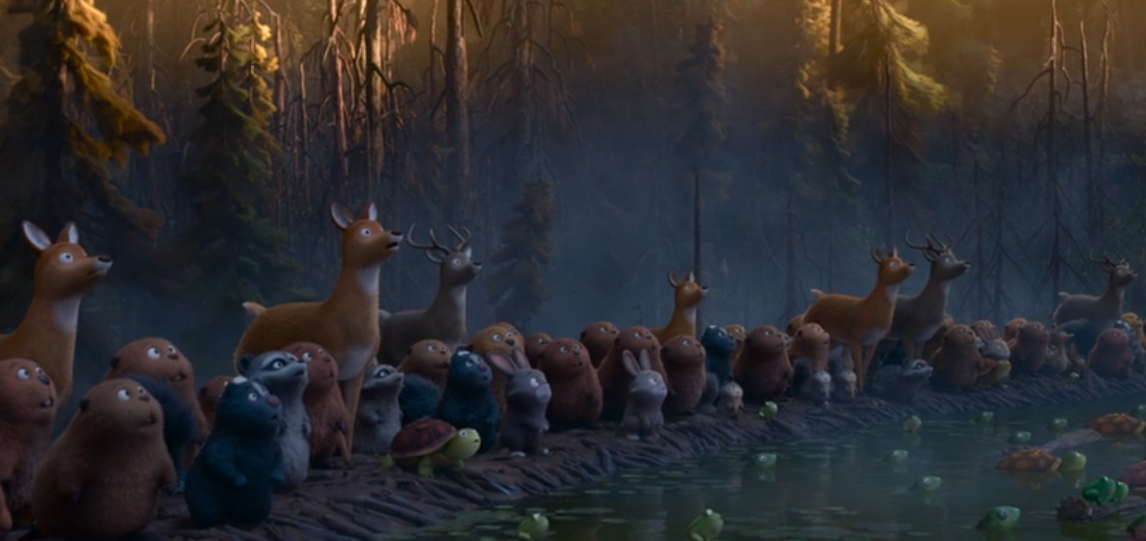
And that connection does not stop with other human beings.
We potatoes think this is one of the most important ideas underneath Hoppers. Human beings have spent centuries constructing systems, cultures, and beliefs that place us somehow above or outside the natural world. Nature becomes something we own, manage, conquer, extract from, develop, or visit on the weekends. Forests become timber. Mountains become minerals. Animals, including humans, become resources. Land becomes property. Everything is assigned a monetary value based on what humans can take from it.
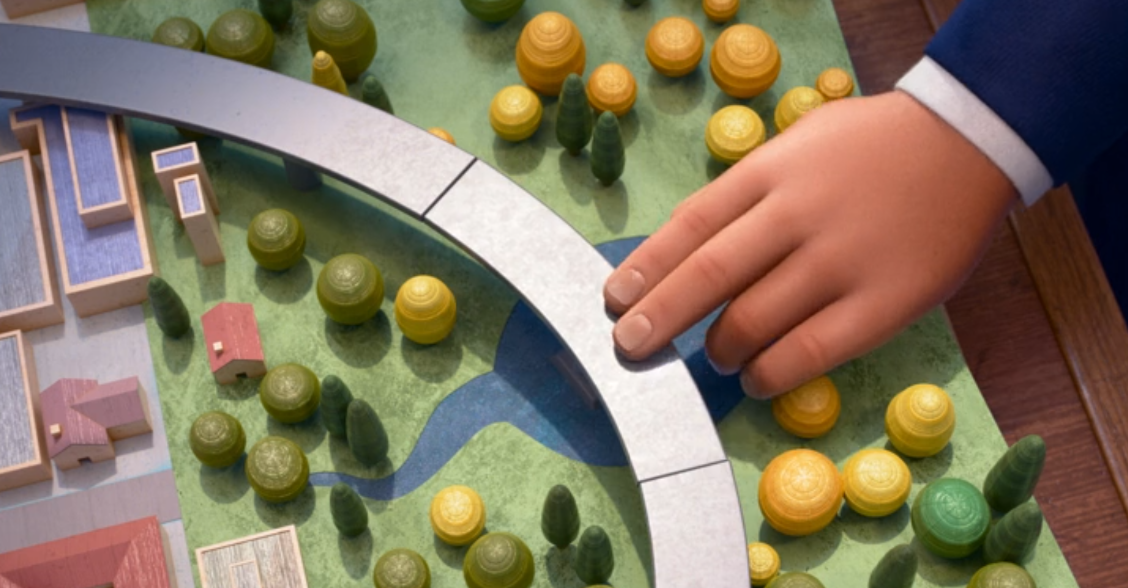
Capitalism has only intensified that separation, turning enormous pieces of the living world into commodities and treating endless growth as though it can somehow exist on a finite planet. Abrahamic religious traditions have also reinforced ideas of human dominion over nature, rather than our responsibility within it. Colonialism, patriarchy, mythology, theocracy, and capitalism have repeatedly taught human beings to conquer, possess, extract, and control rather than recognize ourselves as participants in a living world. And somewhere along the way, far too many of us forgot something incredibly basic.
We are animals too. We are not standing outside the ecosystem looking in. We live inside it. We breathe its air. We drink its water. We eat food grown from its soil. Our bodies return to that soil when we die. We depend upon insects, plants, fungi, animals, oceans, forests, wetlands, microorganisms, and countless interconnected systems simply to remain alive.
We build. We consume. We extract. We expand. We destroy ecosystems and then talk about “nature” as though it is somewhere else.
But there is NO somewhere else!
This is also why we potatoes do not think Mabel's anger is something the film asks her to simply overcome. Her anger is unruly. Sometimes it makes her impulsive, controlling, and unable to listen. She absolutely has growing to do. But the anger itself is not unjustified. She is watching people with power destroy something living for their own benefit. She should be angry.
The lesson is not that Mabel needs to stop caring so much. It is that she needs to learn how to turn that care into something more sustainable. Anger can wake us up. Empathy can remind us why something matters. But listening, community, genuine respect, responsibility, and action are what allow us to actually protect one another.
And perhaps that is what Grandma Tanaka meant all those years ago when she told Mabel it was hard to stay angry when you feel like you are part of something big. Being part of something bigger does not make us powerless. It gives us responsibility.
We are not owners of this world. We are participants in it. And if we want any hope of restoring some kind of balance, we have to remember that taking care of the natural world is not separate from taking care of ourselves or one another.
It is all the same ecosystem.
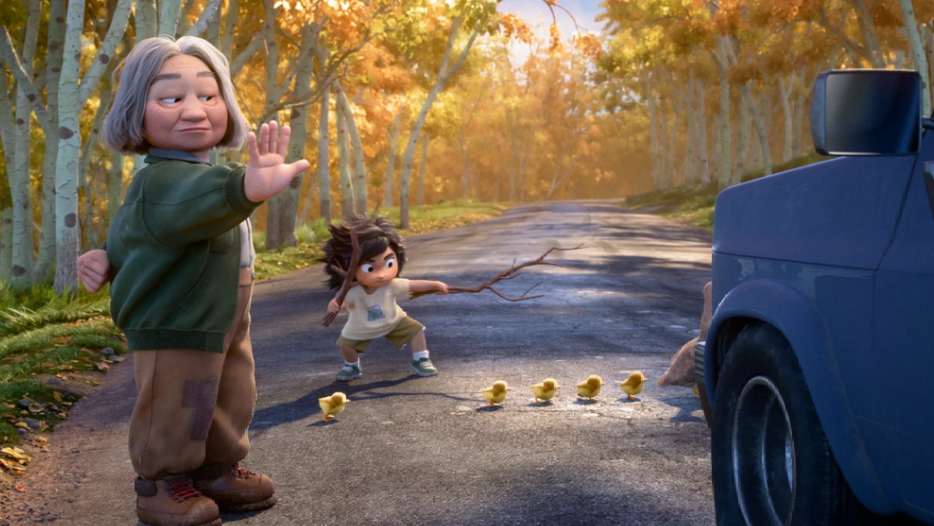
The film also handles Mabel's grief with a tenderness we potatoes really appreciated. Her connection to the glade is not merely environmental. It is personal. It carries memories of her grandmother, safety, childhood, and belonging. Saving it becomes tangled up with preserving something she has already lost.
And grief has a funny way of doing that. Sometimes we hold desperately onto places, objects, traditions, or memories because they feel like the last physical proof that someone we loved was here.
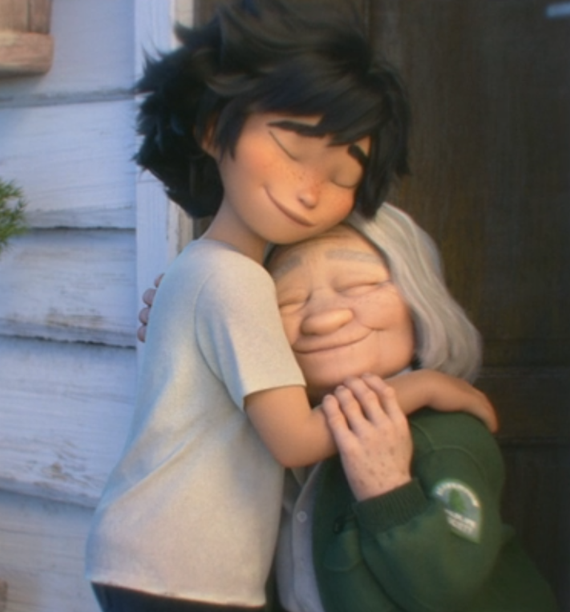
Hoppers understands that without turning Mabel's grief into a giant emotional spectacle. It simply lets that loss exist beneath her anger. We potatoes know immense grief, and still feel it. We have lost many loved ones who are very dear to us. We say are because we will never stop loving those we have lost, so they will always be dear to us. Hoppers does a beautiful job of holding grief gently and reminding us to be gentle with that process too.
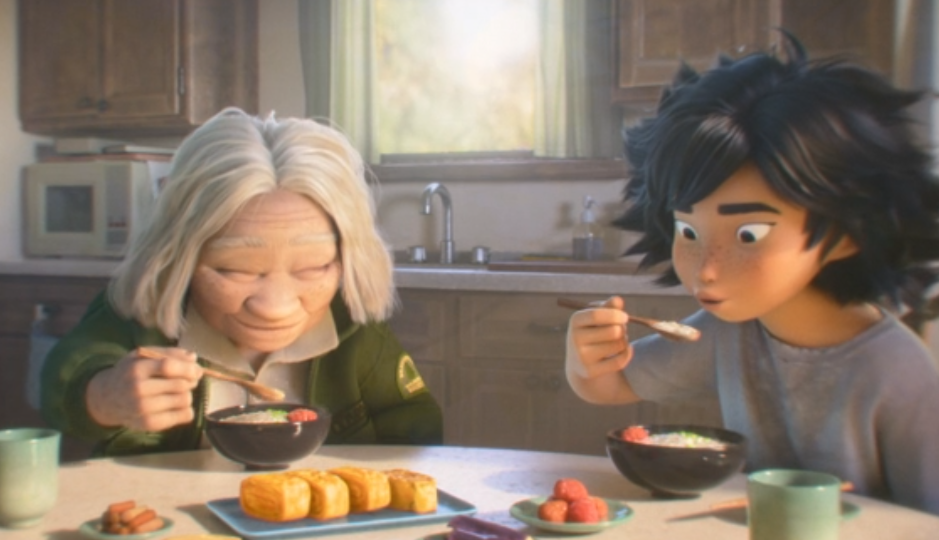
The performances are fantastic across the board! Piper Curda gives Mabel a wonderful combination of stubbornness, vulnerability, humor, and genuine passion, while Bobby Moynihan brings an infectious warmth and unexpected wisdom to King George beneath all that enthusiastic beaver energy. We potatoes would absolutely attend one of his pond meetings! Jon Hamm gives Mayor Jerry exactly the right amount of polished political charm without turning him into a boring corporate villain, Kathy Najimy is delightful as Dr. Sam, and the enormous ensemble of animal voices creates a wonderfully chaotic little ecosystem of personalities.
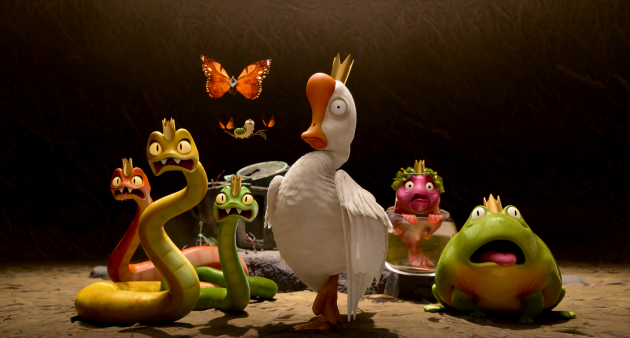
We potatoes also have to give some love to two of the most delightfully unhinged creatures in this entire movie: Titus the evil butterfly (Dave Franco) and Diane the great white shark (Vanessa Bayer)! Titus being an absolutely tiny, beautiful butterfly with the personality of a diabolical supervillain is absolutely hilarious! And then there is Diane, a massive great white shark who is completely unhinged, strangely sweet, and somehow incredibly lovable! We were not prepared for either of them and we love them both!
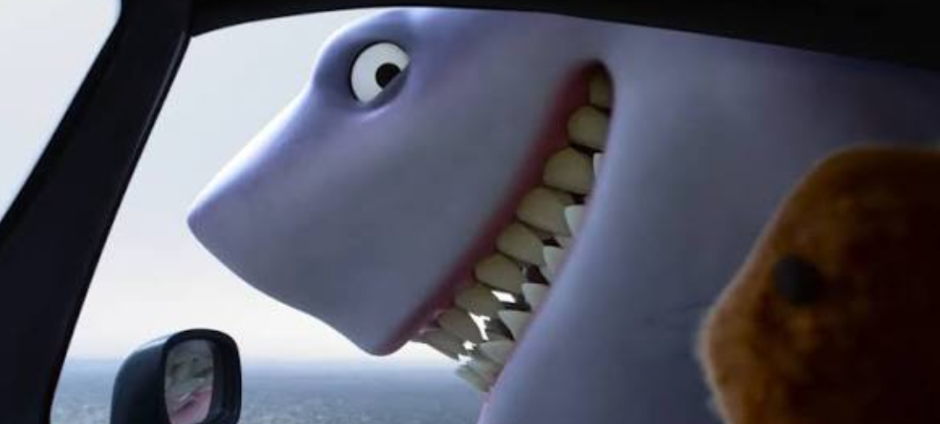
The comedy throughout Hoppers is delightfully bizarre, and the writing embraces the uncomfortable realities of nature instead of sanitizing everything into adorable woodland harmony. Animals eat other animals. Creatures die. Instincts remain instincts. Everyone is remarkably casual about things Mabel finds horrifying, and we potatoes love it!
We potatoes laughed so much!
Visually, Hoppers is gorgeous! The animal world feels lush, tactile, colorful, and alive without losing the exaggerated character design that allows the comedy to flourish. Mabel's robotic beaver body is particularly wonderful because she is simultaneously adorable and just slightly wrong enough to remind us that there is a human consciousness operating the thing! The animation also understands something Pixar has always done remarkably well: tiny physical behaviors matter. Animals twitch, shuffle, scurry, flap, scratch, stare, and move in ways that give every corner of the frame personality.
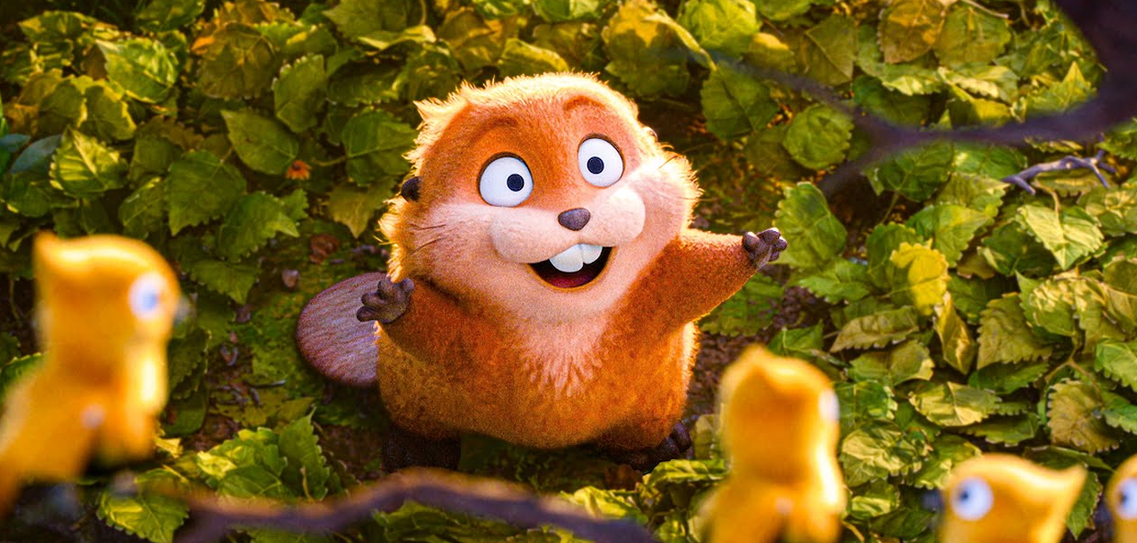
There is always something happening. Sometimes something deeply weird. We potatoes approve!
Now, is Hoppers perfect? No. There are moments when its themes are extremely obvious, and the sheer number of characters means that some of the animals are understandably more memorable than others. There are also a few issues with accuracy, and it bothered us potatoes that there were no marsupials present! We love possums! The story occasionally feels like it is juggling environmentalism, grief, community, communication, technology, animal ethics, human development, and a truly staggering quantity of wildlife (although, not enough for us potatoes), all at once!
It is a lot! But we potatoes would much rather watch an animated film reach enthusiastically for something meaningful than play everything safe. And Hoppers has something meaningful to say! Caring is not enough if we refuse to listen. Anger is not useless, but it cannot be our only tool. Community does not mean sameness! And perhaps most importantly, we are not separate from the living world around us.
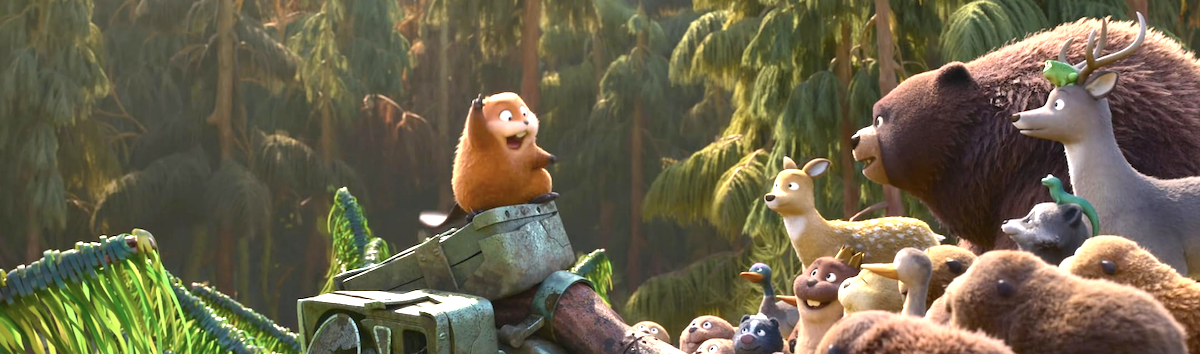
So, is Hoppers weird? Delightfully so! Is it funny? Absolutely. Did we expect a robotic beaver movie to make us contemplate grief, community, environmental responsibility, and whether humans have fundamentally misunderstood our place in nature? Not particularly! But here we are!
Hoppers is colorful, chaotic, strange, funny, tender, and surprisingly thoughtful. It is the kind of original Pixar movie we potatoes love seeing: a bizarre premise taken completely seriously, filled with ridiculous characters, genuine emotion, and enough existential subtext to leave the adults thinking long after the kids have finished laughing at the animals!
We potatoes highly recommend it!
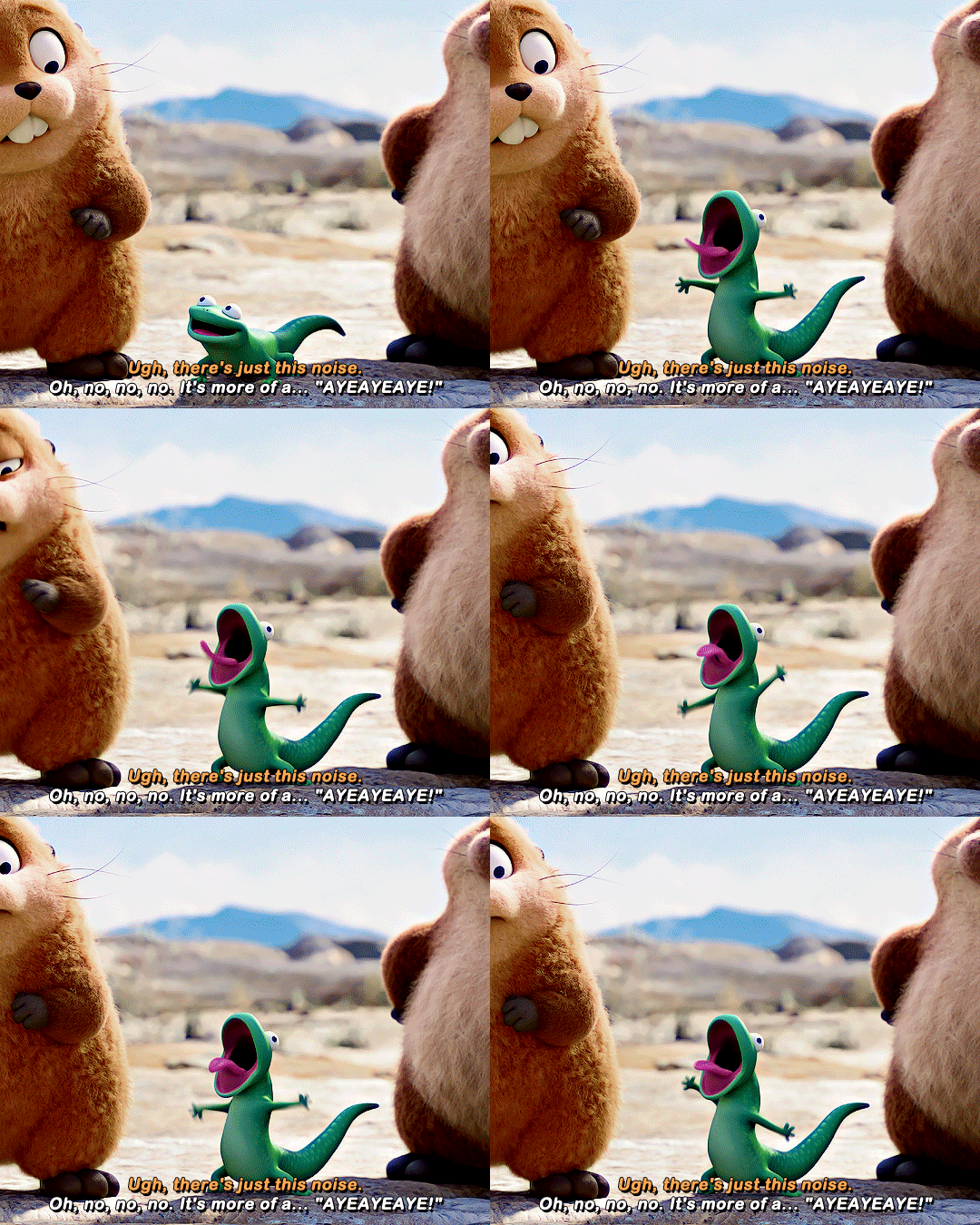
Cheers to Mabel! Cheers to King George and his Pond Rules! Cheers to Grandma Tanaka! Cheers to weird little animals doing weird little animal things! Cheers to protecting the wild places we all depend on! Cheers to community! Cheers to Animated August! Cheers to being one month closer to fall! And most importantly, cheers to you!
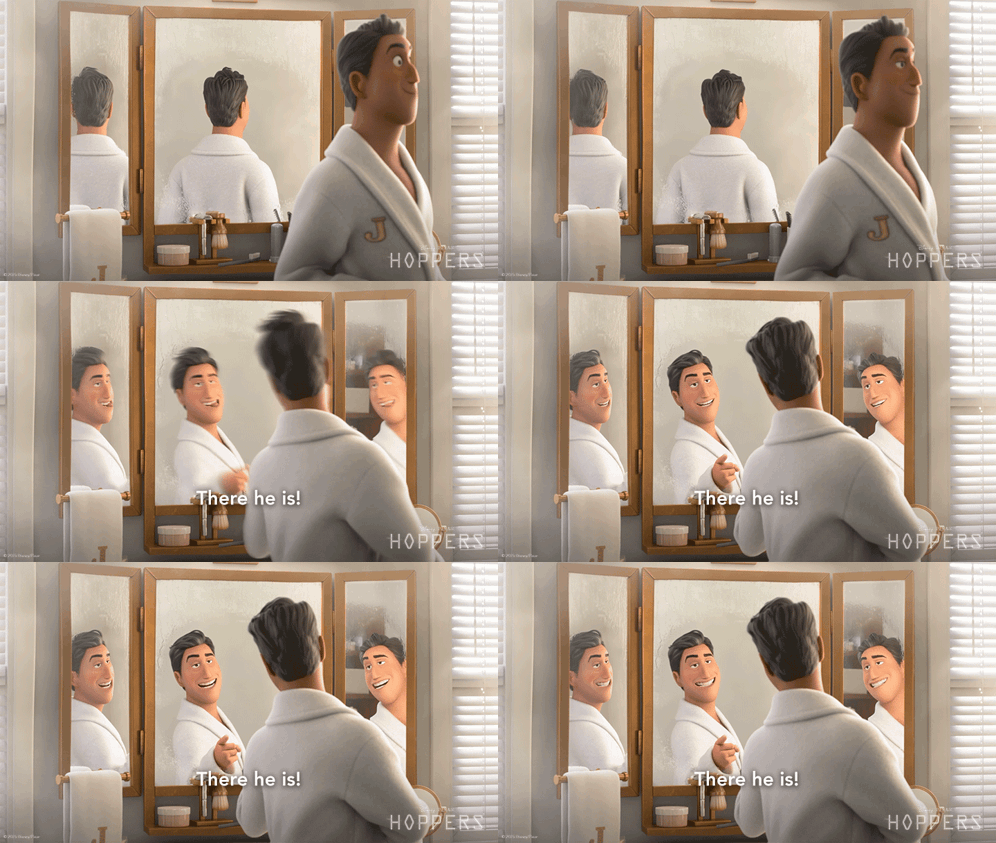
In a world that increasingly teaches us to see ourselves as separate, isolated, and alone, may we remember to look around, listen closely, be kind, be respectful, honor autonomy, and recognize that we are all part of something much bigger than ourselves. We are all part of this world.
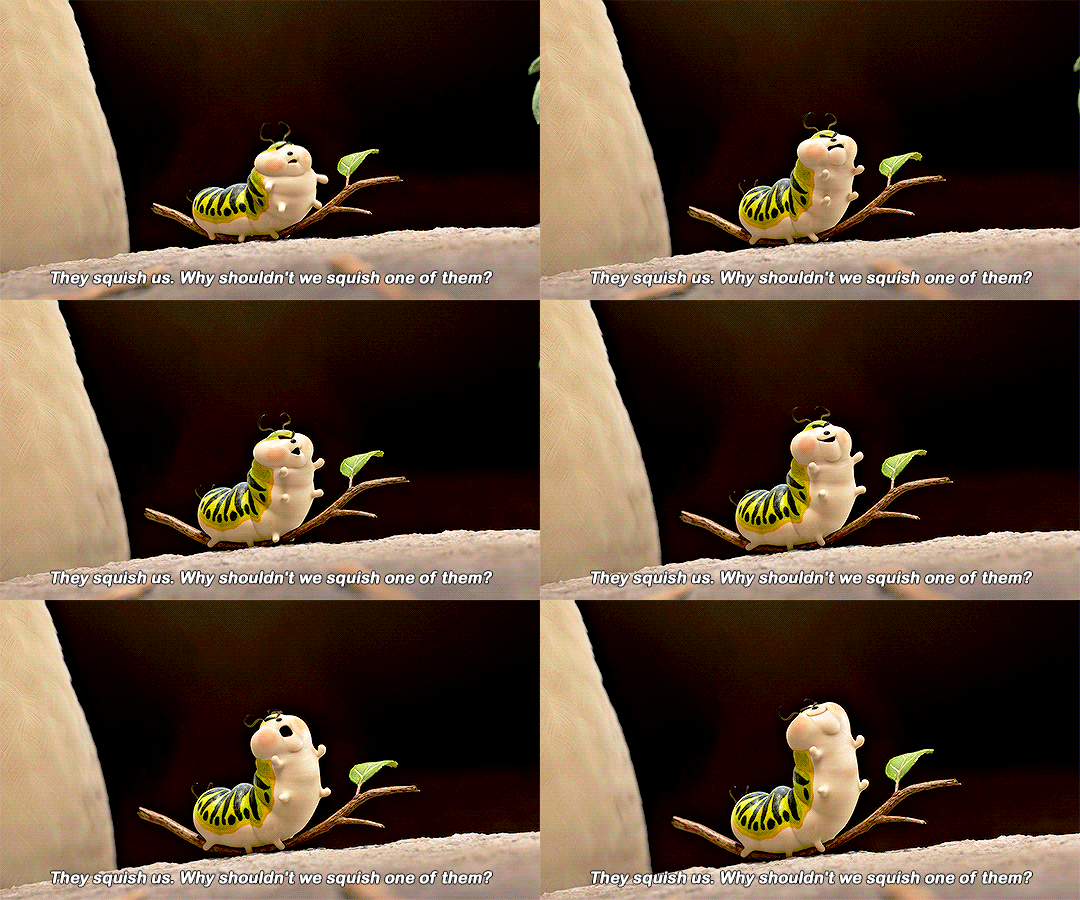
We're all in this together, and whatever you do… don’t get squished!
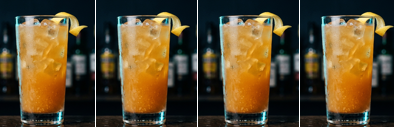
We give this movie 4 out of 5 Bionic Beaver Punch Cocktails!
The Hoppers Drinking Game
Take a sip anytime:
Anyone says “glade”
Anyone says “king”
Anyone says "pond rules"
Anyone says “hop/hopper”
Anyone says “squish”
There's an animal/human perspective change
Any animal not in the main cast is referred to by name
A dam is built or destroyed
Mabel gets angry or frustrated
Mabel has a flashback
Jerry's smarmy smile on screen
Titus laughs/giggles/cackles
We do not usually do this but…
SMASHED MODE - Anyone says “Beaver”
(Please note that we potatoes DO NOT recommend SMASHED MODE… it is very intense.)
What do you think? Do you like the movie? Do you hate it? What movies should we watch? Do you like this drinking game? Are there rules missing? Is the game too intense? Are there movies that you think we should make a drinking game for? Let us know here in the comments and always remember to be safe and drink responsibly! (Drinks can be water, soda, anything nonalcoholic, etc. Please be safe, have fun and take care of you!)